
Main Courses
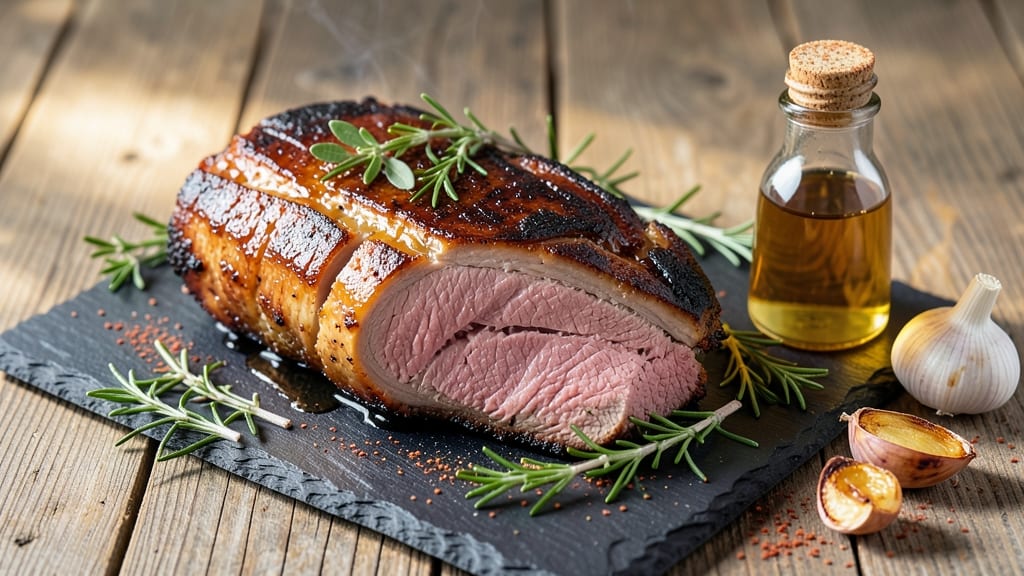
This apple cider vinegar brisket spray transforms tough cuts into tender, juicy perfection with every spritz. The acidity tenderizes while locking in moisture, creating that signature bark without drying out the meat.
I developed this recipe after years of perfecting my smoked brisket technique—this simple spray is now my secret weapon for restaurant-quality results at home.
The magic happens in the ratio: just 1 part apple cider vinegar to 2 parts water, with a pinch of salt and optional garlic powder for depth. This light mist penetrates the meat's surface during smoking or grilling, breaking down collagen and creating a flavorful crust.
Unlike heavy marinades, this spray won't make your brisket soggy—it enhances the natural smokiness while keeping the interior succulent.
By the time your brisket emerges from the smoker, you'll have a moist, flavorful masterpiece with a beautiful bark that holds up to slicing. The spray works equally well for grilled or oven-roasted brisket, making it a versatile tool for any cooking method.
Store any leftover spray in a clean spray bottle in the refrigerator for up to 2 weeks.
This isn't just about moisture—it's about developing that complex, tangy-sweet flavor profile that makes brisket unforgettable. The acidity also helps balance the richness of the meat, creating a perfect harmony of flavors in every bite. Ready to elevate your brisket game? Let's get started.
Ingredients for apple cider vinegar spray for brisket
Four simple ingredients create the perfect brisket spray for restaurant-quality bark.
| Ingredient | Amount | Notes |
|---|---|---|
| Apple Cider Vinegar 🍏 | 1 cup | Raw, unfiltered preferred |
| Water 💧 | 2 cups | Filtered for best taste |
| Kosher Salt 🧂 | 2 tsp | Diamond Crystal preferred |
| Garlic Powder 🧄 | 1 tsp | Optional for depth |
| Smoked Paprika 🌶️ | ½ tsp | For smoky flavor |
The apple cider vinegar is the star here—raw, unfiltered has more flavor than pasteurized. Bragg is my go-to brand, but any organic ACV works. The water should be filtered if possible, though tap water in a pinch is fine. Kosher salt matters too—Diamond Crystal dissolves better than table salt. For that smoky depth, grab smoked paprika from Penzeys—it's worth the extra penny. If you're feeling fancy, add a pinch of brown sugar for caramelization during smoking.
No smoked paprika? Regular paprika plus a dash of liquid smoke gets you close. Short on vinegar? White vinegar at half the amount works, though flavor won't be identical. The garlic powder can be swapped for 1/4 tsp onion powder if you prefer. Want extra bark? Add 1/4 tsp black pepper for a kick. This mix is so simple you can eyeball measurements—just keep the 1:2 vinegar-to-water ratio. The spray keeps 2 weeks in the fridge, so make extra for your next cook.
Store any leftover spray in a clean spray bottle in the refrigerator. The bottle should be glass or BPA-free plastic to avoid flavor transfer. Shake gently before each use—it separates slightly. This spray works equally well for grilled, smoked, or oven-roasted brisket. For best results, apply every 30-45 minutes during cooking. The acidity tenderizes while locking in moisture, creating that perfect bark without drying out the meat.
Why You'll Love This Recipe
- Five-Ingredient Miracle: I swear, this spray is the kind of shortcut that makes me feel like a genius. Just shake those five things together—vinegar, water, salt, garlic powder, and smoked paprika—and boom, you’ve got a secret weapon that turns brisket from good to "why didn’t I think of this sooner?"
- Tangy Smoky Magic: That apple cider vinegar isn’t just for salads—it cuts through the fat while keeping the meat juicy, and the smoked paprika? Oh, it adds this deep, campfire-like richness that lingers on your tongue. Honestly, it’s the kind of flavor that makes you want to eat brisket for breakfast.
- Game for Any Gathering: Whether it’s a backyard BBQ, a Sunday family dinner, or just a lazy night in, this spray works. Spray it on before grilling, after smoking, or even on leftover slices—it’s that adaptable. Between us, it’s my go-to for when I’m hosting and don’t want to fuss over complicated rubs.
- Budget Hack with Leftovers: A little goes a long way, and since you’re mostly using pantry staples, your wallet stays happy. Plus, the spray keeps well in the fridge, so I make a big batch and use it for weeks. That means fewer takeout nights and more money for actual brisket cuts. Win-win.
Step-by-step instructions for apple cider vinegar brisket spray
This simple spray transforms your brisket into a juicy, flavor-packed masterpiece every time.
Combine the Base Ingredients
In a medium-sized glass or stainless steel container, pour the 1 cup apple cider vinegar and the 2 cups water. I prefer using a glass container because it's easy to see the mixture and it won't react with acidic ingredients like some plastics might. Give it a quick stir with a clean wooden spoon to start blending everything together.
The vinegar should be raw and unfiltered for the best flavor—this is where you'll get that tangy depth that penetrates the meat. If you're using filtered water, it won't affect the recipe, but it might give you a slightly clearer spray. The combination should look like a pale golden liquid at this stage, with no visible separation yet.
Dissolve the Salt and Spices
Add the 2 teaspoons kosher salt, 1 teaspoon garlic powder, and ½ teaspoon smoked paprika to the vinegar mixture. Stir vigorously for about 1-2 minutes until the salt and spices are completely dissolved. You should see the mixture become slightly cloudy as the salt dissolves, and the spices will distribute evenly throughout.
This is where the magic happens—the salt helps the spray penetrate the meat's surface, while the garlic and smoked paprika add layers of flavor that will develop beautifully during the cooking process. If you notice any undissolved particles, give it another quick stir or let it sit for a few minutes to fully incorporate.
Transfer to a Spray Bottle
Pour the mixture through a fine-mesh strainer into a clean spray bottle with a fine mist nozzle. I like to use a glass spray bottle because it's easy to see the liquid level and won't react with the acidic ingredients. Fill it almost to the top, leaving about ½ inch of space at the neck to allow for shaking before each use.
The strainer ensures no undissolved particles make it into your spray bottle, which could clog the nozzle. If you notice any residue in the strainer, simply discard it—it won't affect the flavor of the spray. Once transferred, give the bottle a good shake to ensure everything is well mixed before your first use.
Store Properly for Maximum Freshness
Store the spray bottle in the refrigerator for up to 2 weeks. The cold temperature helps preserve the freshness of the ingredients and extends the shelf life. Before each use, give the bottle a good shake to redistribute the spices that naturally settle at the bottom.
This spray is best used within 2 weeks for optimal flavor, but you can extend its life by up to 1 month if you store it in the freezer. Just remember to shake it thoroughly before use, as the cold temperature can cause the mixture to separate slightly. The refrigerator is ideal for most home cooks, though, as it keeps the spray ready to use at a moment's notice.
Apply During Cooking for Moisture and Flavor
During the last 2-3 hours of your brisket's cooking time, begin spraying the mixture every 30-45 minutes. Lightly mist the surface of the brisket, focusing on the areas that seem to be drying out. You should see the spray absorb into the meat rather than pool on the surface.
This is the moment that matters: the apple cider vinegar helps break down the proteins on the surface of the meat, creating a tender, moist interior while developing a beautiful bark on the exterior. The spray also helps regulate the internal temperature, preventing the brisket from drying out during the long cook. For best results, use the spray in conjunction with your preferred cooking method—whether it's smoking, braising, or slow-roasting.
Pro Tips For Making Apple Cider Vinegar Spray For Brisket
- SPRAY IN 30-SECOND BURSTS: I learned this the hard way—drenching the brisket all at once makes it soggy. Instead, hit it with 3-4 quick sprays (about 1-2 seconds each) during the first hour of cooking. The vinegar needs time to work its magic without turning your meat into a steamed loaf.
- USE RAW APPLE CIDER VINEGAR: That "healing" or pasteurized stuff lacks the tang and depth your brisket deserves. Grab the unfiltered, "mother" variety—it’s pricier but packs more flavor and acidity. Your bark will thank you.
- DON’T SKIP THE GARLIC POWDER: Yes, it’s just a pinch, but it’s the thing that matters most. Sprinkle it directly onto the brisket after spraying (while it’s still warm) so it sticks and infuses. I used to mix it into the spray bottle—big mistake. The powder clumps and wastes.
- CHILL THE SPRAY BEFORE USE: Room-temperature vinegar spray feels like a lukewarm shower on your meat. Pop the bottle in the fridge for 10 minutes first—it’ll help the bark form faster and keep the brisket from steaming. (Yes, even if you’re impatient like me.)
Best sauces and condiments for these flavors
Classic BBQ Sauce Pairing
Use this spray as a base for a homemade BBQ glaze by reducing ½ cup of your favorite BBQ sauce with 1 tbsp apple cider vinegar and 1 tbsp brown sugar until thickened.
Brush this glaze on the brisket during the last 30 minutes of cooking, then spritz with the ACV spray for a sticky, smoky-sweet finish. I love Stubb's Original or Sweet Baby Ray's for this combo.
Honey-Spiced Glaze
For a sweeter profile, mix ¼ cup honey with 2 tbsp apple cider vinegar and 1 tsp mustard powder. Brush this glaze on the brisket after spritzing with the spray, then broil for 2-3 minutes to caramelize.
The vinegar spray keeps the meat moist while the honey glaze adds depth. 🍯
Mop Sauce Upgrade
Turn your spray into a mop sauce by adding 1 tbsp molasses and ½ tsp liquid smoke to the bottle. Use this thicker mixture to baste the brisket every 45 minutes during the last 4 hours of cooking.
The molasses adds richness while the spray maintains moisture. I use a 16-ounce glass spray bottle for easier pouring.
Herb-Infused Variations
Add 1 tsp dried rosemary or thyme to the spray for a herbaceous twist. Steep the herbs in the vinegar-water mixture for 10 minutes before adding salt and spices. Strain before transferring to the spray bottle. This works especially well with French-style brisket recipes. 🌿
Spicy Kick Option
For heat lovers, add ½ tsp cayenne pepper or 1 tsp chipotle powder to the spray. The vinegar helps distribute the heat evenly across the meat's surface. I recommend Penzeys Cayenne for consistent quality. Apply the spray in the final 2 hours of cooking for maximum impact.
Storage and Reuse
Leftover spray can be repurposed as a marinade for chicken or pork chops. Dilute with an equal part water and marinate for 2-4 hours before cooking. The acidity tenderizes while the spices add flavor.
Store unused spray in the fridge for up to 2 weeks—the flavors only get better with time. ⏳
Nutrition facts
Frequently asked questions
Can I use this spray for other meats besides brisket?
This apple cider vinegar spray works beautifully on pork shoulder, ribs, and even chicken. The acidity helps tenderize while locking in moisture—just adjust the timing. For poultry, use it during the last 1-2 hours of cooking to avoid over-tenderizing. The same ratio (1:2 vinegar to water) applies across all meats.
Why does the spray need to be refrigerated?
The vinegar and spices create an environment where bacteria can grow if left at room temperature. Refrigeration preserves freshness and prevents spoilage. The cold also helps maintain the flavor balance between the tangy vinegar and smoky spices. For longer storage, freeze it for up to 1 month—just thaw in the fridge before use.
What happens if I don't have apple cider vinegar?
You can substitute white vinegar at half the amount (½ cup instead of 1 cup), but the flavor won't be identical. For a sweeter profile, try rice vinegar> mixed with 1 tbsp honey. The key is maintaining the acidity—just avoid using mild vinegars like balsamic, which won't cut through the meat's surface effectively.
How often should I spray the brisket during cooking?
Apply the spray every 30-45 minutes during the last 2-3 hours of cooking. Light misting is key—over-spraying can make the bark too wet. Focus on areas that appear dry. The spray helps develop bark while preventing the meat from drying out. For a 10-pound brisket, plan for about 4-6 sprays total.
Can I make this spray without smoked paprika?
Yes! Skip the smoked paprika and add ½ teaspoon liquid smoke> instead for that smoky flavor. Alternatively, use ½ teaspoon regular paprika plus ¼ teaspoon onion powder> for a milder taste. The garlic powder remains essential for depth—it balances the vinegar's tanginess beautifully. If you're grilling instead of smoking, the spray still works but may need extra seasoning.