
Main Courses
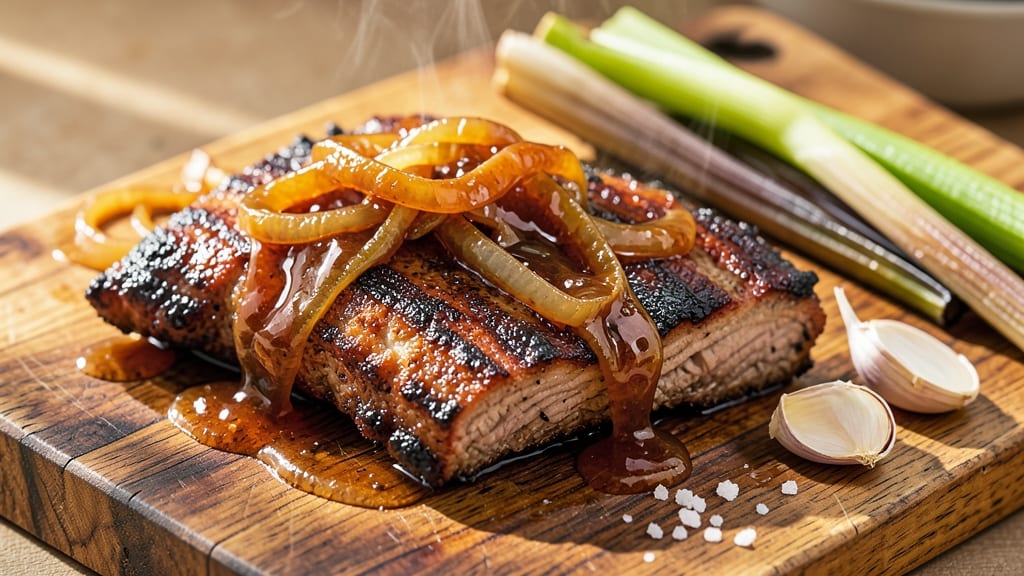
This apple juice ribs recipe transforms tough cuts of pork into fall-off-the-bone tenderness with a sweet-tangy glaze that caramelizes beautifully. The apple juice isn't just a flavor enhancer—it tenderizes the meat while creating a sticky, aromatic crust that balances smoky depth with fruity brightness.
What makes this method special is the celery-pepper crisp that forms on the surface, adding a satisfying textural contrast to every bite.
The process begins with a 24-hour marinade where apple juice breaks down the meat fibers, ensuring juicy results even with a longer cooking time.
Whether you're using a smoker, grill, or oven, precise temperature control is key—we're talking about maintaining 225°F for slow cooking until the internal temperature reaches 195°F. This low-and-slow approach develops deep flavor without drying out the ribs, while the apple juice prevents them from becoming too sweet.
By the time you're ready to serve, you'll have ribs that are glossy, caramelized, and perfectly tender, with that signature crisp from the celery-pepper rub. The apple juice glaze adds a subtle sweetness that pairs wonderfully with traditional sides like tangy coleslaw or smoky baked beans.
The best part? This method works equally well for baby back ribs or full slabs, making it versatile for any gathering.
Perfect for fall gatherings or weeknight dinners, these ribs deliver restaurant-quality results with minimal effort. The apple juice marinade can be prepped ahead, and the cooking process is hands-off once you get going. Let's get started on creating ribs that will have everyone asking for seconds.
Ingredients for apple juice ribs
Sweet-tart apple juice transforms tough pork into melt-in-your-mouth ribs with crispy celery-pepper crust.
| Ingredient | Amount | Notes |
|---|---|---|
| Pork Baby Back Ribs 🥓 | 4 lb | Bone-in, meaty cuts preferred |
| Unsweetened Apple Juice 🍎 | 2 cups | Cloudy preferred for depth |
| Dry Yellow Onion 🧅 | 1 whole | Cut into 1-inch chunks |
| Celery Stalks 🥬 | 4 whole | Trimmed, cut into 1-inch pieces |
| Garlic Cloves 🧄 | 6 cloves | Peeled, smashed lightly |
| Kosher Salt 🧂 | 1 ½ tbsp | Diamond Crystal preferred |
| Freshly Ground Black Pepper 🌶️ | 1 tbsp | Cracked peppercorns preferred |
| Smoked Paprika 🌶️ | 1 tbsp | For smoky depth |
| Brown Sugar 🍚 | ½ cup | Light or dark works |
| Apple Cider Vinegar 🍶 | ¼ cup | For tangy balance |
| Honey 🍯 | ¼ cup | Wildflower preferred |
| Fresh Thyme Leaves 🌿 | ¼ cup | Or 1 tbsp dried thyme |
| Yellow Mustard 🍯 | 1 tbsp | For marinade adhesion |
| Vegetable Oil 🫒 | ¼ cup | For searing ribs |
The ribs are the star here—baby back cuts with good meat-to-bone ratio work best. Costco or local butchers often have the best quality, but any grocery store pork ribs will do. Look for cuts with a good layer of fat—this keeps them moist during cooking. If you're using full slabs, trim excess fat to about 1/4-inch thickness for even cooking. The apple juice should be cloudy, not clear—this means it's unpasteurized and packed with flavor. Mott's or local orchard brands are my go-to, but any unsweetened apple juice will work in a pinch.
No cloudy apple juice? Cranberry juice or white grape juice can substitute, though the flavor will differ slightly. The celery and onion form the crispy crust—don't skip chopping them small enough to fit in a food processor for a fine powder. Freshly ground black pepper makes all the difference here (pre-ground loses potency fast), and if you're feeling fancy, toast the peppercorns before grinding. The honey and brown sugar balance the acidity from the apple cider vinegar—adjust to taste if you prefer it sweeter or more tangy. For the marinade, mix everything in a bowl first to dissolve the sugar, then pour over the ribs.
The ribs can marinate in the fridge for up to 24 hours, but don't go longer—the acidity will start breaking down the meat too much. Once cooked, ribs reheat beautifully wrapped in foil with a splash of apple juice. Store leftovers in the fridge for 4-5 days or freeze for 3 months. For serving, I like to brush extra apple juice glaze on top right before eating—trust me, it's worth the extra minute. The crispy celery-pepper rub keeps best if you make it fresh, but you can store it in an airtight container for 1 week.
Why You'll Love This Recipe
- One-Pot Magic: I swear by this recipe because it’s that simple—just ribs, juice, and a quick mirepoix of onion, celery, and garlic. No basting, no stress, no extra bowls. Honestly, the hardest part is waiting for the oven to finish.
- Sweet-Savory Balance: That apple juice isn’t just for flavor—it caramelizes into a glossy, slightly tangy glaze that clings to the ribs like a hug. The garlic and celery add depth, but the real star? The crispy edges with that sticky, fruit-forward finish. (Yes, even on a Tuesday night.)
- Weeknight Crowd-Pleaser: I make these for game day, potlucks, or when my kids’ friends descend—no one turns them down. The ribs are tender enough for picky eaters but bold enough for adults, and the leftovers? They reheat like a dream in the oven or air fryer.
- Budget-Friendly Feast: Between us, ribs can be pricey, but this method stretches them further. The apple juice adds richness without breaking the bank, and the veggies are pantry staples. I’ve fed six people for under $20, and they’ll still ask for seconds. That’s my secret weapon.
Step-by-step instructions for apple juice ribs
Here's how to transform tough ribs into fall-off-the-bone tenderness with that perfect celery-pepper crisp.
Prepare the Ribs and Build the Marinade
First, remove the membrane from the ribs by sliding a butter knife under it and peeling it away. This ensures even cooking and maximum flavor penetration. Pat the ribs dry with paper towels—this step is crucial for developing that crispy exterior we're after.
In a large bowl, whisk together the 2 cups unsweetened apple juice, 0.25 cup apple cider vinegar, 0.25 cup honey, 1 tbsp yellow mustard, 1.5 tbsp kosher salt, 1 tbsp freshly ground black pepper, 1 tbsp smoked paprika, and 0.25 cup fresh thyme leaves. The vinegar and honey will create a perfect balance of tangy and sweet flavors that tenderize the meat beautifully. Pour this marinade over the ribs and let them sit at room temperature for 30 minutes before cooking.
Sear the Ribs for Maximum Flavor
Preheat your oven to 275°F. Heat a large oven-safe skillet over medium-high heat and add the 0.25 cup vegetable oil. Once the oil is shimmering, carefully place the ribs in the skillet, bone-side down. Sear for 6-8 minutes until the meat develops a deep golden-brown crust and you can smell that wonderful caramelization.
Here's the thing—don't rush this step. You want that crispy bark to form before we move to the oven. The ribs should release easily from the pan when ready. Flip them bone-side up and transfer the entire skillet to the preheated oven.
Slow-Cook Until Fork-Tender
Place the 1 whole dry yellow onion and 4 whole celery stalks, both cut into 1-inch pieces, along with the 6 cloves garlic (smashed lightly) in the skillet with the ribs. These vegetables will infuse the ribs with their natural sweetness and create that signature celery-pepper crisp we're after.
Cover the skillet tightly with foil and cook for 2 hours. After this initial cooking time, remove the foil and sprinkle the ribs with 0.5 cup brown sugar. Return to the oven uncovered for another 30-45 minutes until the sugar caramelizes and creates that beautiful glaze. The ribs are done when they reach an internal temperature of 200-205°F and the meat pulls away easily from the bone.
Rest and Serve with Perfect Crisp
Let the ribs rest for 10-15 minutes before serving. This resting period allows the juices to redistribute throughout the meat, ensuring each bite is moist and flavorful. While they rest, you can use the cooking juices from the skillet to create a quick pan sauce if desired—simply reduce them by half over medium heat and whisk in a splash of apple juice to loosen the sauce.
Slice the ribs between each bone and arrange them on a platter. The combination of tender meat, crispy edges, and that sweet-tangy glaze from the apple juice and brown sugar makes these ribs truly special. Serve with the caramelized onions and celery for that complete celery-pepper crisp experience that ties everything together.
Pro Tips For Making Apple Juice Ribs
- USE A LID FOR THE FIRST HOUR: The apple juice will evaporate fast—cover your pot or slow cooker for the initial cook. I learned this the hard way when my sauce turned syrupy and cloying instead of balanced. If you’re grilling, wrap the ribs in foil with the juice until they’re tender.
- TRIM EXTRA FAT BEFORE BRINING: Baby back ribs have fat pockets that render unevenly, making the apple juice turn greasy. Use kitchen shears to snip off excess fat before the brine—your sauce will stay cleaner and brighter. (Yes, it’s tedious, but worth it.)
- DON’T BOIL THE ONIONS: Sauté them low and slow until soft, not browned—you want flavor, not bitterness. I used to rush this step, and the ribs ended up tasting like overcooked soup instead of tender, juicy meat with a crisp edge. Five minutes on medium heat is all you need.
- SAVE THE STRAINED JUICE: After simmering the ribs, strain the cooking liquid through a fine-mesh sieve to remove onion bits and celery strings. Pour it back into the pot and reduce it by half—this thickens the sauce naturally without adding cornstarch. (Your future self will thank you.)
Dietary considerations for this apple juice ribs
Gluten-Free Adaptations
This recipe is naturally gluten-free since it relies on fresh ingredients and avoids sauces or marinades containing wheat. The yellow mustard and apple juice are typically gluten-free, but always check labels—some brands add fillers.
For extra safety, use certified gluten-free mustard like French's Gluten-Free. The celery-pepper crisp comes from fresh vegetables, so no gluten-containing ingredients are needed. 🌱
Dairy-Free Considerations
The original recipe doesn’t include dairy, but if you’re avoiding it entirely, ensure your brown sugar is processed in a dairy-free facility (some brands use bone char). The honey is naturally dairy-free, and the apple juice provides all the moisture and sweetness.
For added richness, you could substitute coconut aminos for the yellow mustard, though the flavor will differ slightly.
Vegetarian/Vegan Options
While ribs are inherently meat-based, you can create a similar crispy, sweet-tangy dish using portobello mushrooms or jackfruit as a substitute. Marinate them in the same apple juice mixture (without honey for vegan) and slow-cook until tender.
The celery-pepper crisp works perfectly on these alternatives, though the texture will differ. For a more traditional approach, try tofu or seitan ribs with the same glaze.
Low-Sugar Modifications
To reduce sugar content, cut the brown sugar to 2 tbsp and replace the remaining 0.25 cup honey with maple syrup (same amount). The apple juice already provides natural sweetness, so this adjustment keeps the flavor balanced while lowering the glycemic impact.
For extra tang, add 1 tbsp lemon juice to the marinade. 🍎
Allergen-Friendly Swaps
For nut allergies, ensure your honey is processed in a nut-free facility (some brands cross-contain). If avoiding mustard, substitute with 1 tbsp apple cider vinegar + 1 tsp soy sauce (or tamari for gluten-free) for umami depth.
The recipe is otherwise free of common allergens, making it safe for most dietary restrictions. Always double-check ingredient labels when substituting.
Nutrition facts
Frequently asked questions
Can I use store-bought apple juice or do I need fresh?
Store-bought unsweetened apple juice works perfectly—just look for cloudy juice (not clear) for the best flavor. Fresh apple juice adds depth, but quality brands like Mott's or local orchard varieties deliver similar results. Avoid sweetened juices or those with added preservatives, as they can alter the balance of flavors in the marinade.
How do I know when the ribs are fully cooked?
The ribs are done when they reach an internal temperature of 200-205°F and the meat pulls away easily from the bone with minimal resistance. A good test is to insert a meat thermometer into the thickest part of the meat—it should read consistently in that range. The glaze should also be caramelized and sticky, not raw.
Can I make this recipe on a grill instead of the oven?
Grill the ribs over indirect heat at 225-250°F for 3-4 hours, spritzing with apple juice every 45 minutes to keep them moist. In the last 30 minutes, move them to direct heat to crisp the edges. Use a grill thermometer to maintain consistent temperature—grills can fluctuate more than ovens.
Why do my ribs turn out too sweet or not sweet enough?
The balance comes from the apple juice, vinegar, and honey. If they're too sweet, reduce the brown sugar to 2 tbsp and add 1 tbsp lemon juice to the marinade. For more sweetness, increase the honey to 0.375 cup and adjust the vinegar to 0.375 cup to maintain balance. Taste the marinade before applying to the ribs!
What’s the best way to reheat leftover ribs?
Wrap ribs tightly in foil with a splash of apple juice and reheat at 300°F for 15-20 minutes. For extra crisp, broil for 2-3 minutes at the end. Avoid microwaving—it makes the meat rubbery. Leftovers keep well in the fridge for 4-5 days or freeze for 3 months (wrap tightly in plastic and foil).