
Sauces & Condiments
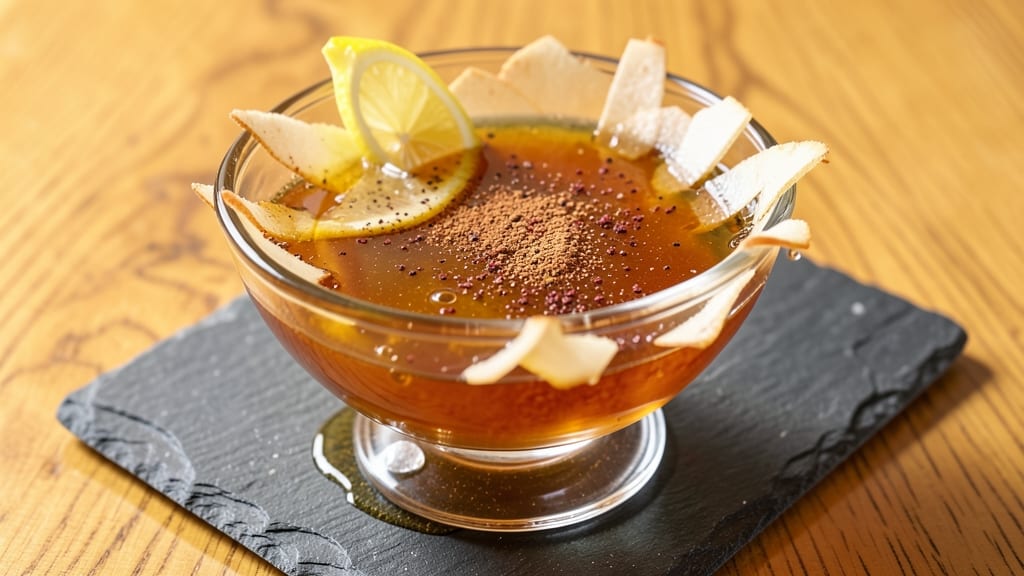
This apple reduction sauce recipe transforms humble apples into a concentrated, velvety sauce with deep caramel notes—no added sugar needed. The key lies in slow cooking until the fruit breaks down into a glossy, intensely flavored syrup that adds richness to both savory and sweet dishes.
I’ve perfected this small-batch method to preserve natural sweetness while developing complex layers of spice and acidity that elevate everything it touches.
What sets this sauce apart is its versatility—use it as a glaze for roasted pork, a drizzle over vanilla ice cream, or a tangy dip for cheese boards. The reduction process (about 30 minutes) caramelizes the apples naturally, creating a sauce that’s thicker than compote but lighter than jam.
A splash of vinegar or citrus brightens the depth, while warm spices like cinnamon or cardamom add warmth without overpowering.
The result is a sauce that’s restaurant-quality but easy to make at home—smooth, aromatic, and packed with concentrated apple flavor. It keeps well in the fridge for up to 2 weeks, making it perfect for meal prep or gifting.
Whether you’re finishing a holiday roast or adding depth to a dessert, this sauce delivers professional results with minimal effort.
For extra complexity, try adding a pinch of smoked paprika or a dash of balsamic vinegar during reduction. The possibilities are endless, but the technique remains simple: cook, reduce, and let the flavors meld. Here’s how to make it.
Ingredients for apple reduction sauce
Nine ingredients transform humble apples into restaurant-quality sauce with no added sugar.
| Ingredient | Amount | Notes |
|---|---|---|
| Honeycrisp Apples 🍎 | 2 lb | Peeled, cored, cut into chunks |
| Granulated Sugar 🍚 | ¼ cup | Light brown preferred for depth |
| Apple Cider Vinegar 🍶 | 2 tbsp | Bragg preferred for tang |
| Fresh Lemon Juice 🍋 | 1 tbsp | Brightens caramelized flavors |
| Ground Cinnamon 🌿 | 1 tsp | Sweet, not spicy variety |
| Smoked Paprika 🌶️ | ½ tsp | For subtle smokiness |
| Unsalted Butter 🧈 | 1 tbsp | Cold, cubed for finishing |
| Sea Salt 🧂 | ½ tsp | Diamond Crystal preferred |
| Fresh Rosemary 🌿 | 1 sprig | Optional, for herbal depth |
| Water 💧 | ½ cup | For initial deglazing |
The apples are the foundation—Honeycrisp or Fuji deliver the perfect balance of sweetness and acidity. Local farmers markets often have these varieties at peak season, but any crisp apple works in a pinch. I always peel and core first to avoid bitterness. For sugar, light brown sugar adds subtle molasses notes that deepen as it caramelizes. The vinegar and lemon juice might seem small, but they're crucial for brightening the sauce without overpowering. Bragg apple cider vinegar has the best flavor, but any good-quality vinegar does the job.
No apple cider vinegar? White wine vinegar or lemon juice works in a bind, though the flavor profile shifts slightly. Swapping the brown sugar for white cuts sweetness—balance with extra lemon. The smoked paprika adds depth without heat, but regular paprika plus a pinch of cayenne mimics the effect. Fresh rosemary is optional, but if you use it, infuse the water first before adding to the sauce. For extra richness, finish with a pat of cold butter—this is a classic technique in professional kitchens.
This sauce thickens as it cools, so store it in a glass jar with a tight seal in the fridge. It keeps for 2 weeks and actually improves over time as flavors meld. For gifting, transfer to small jars with a ribbon—it makes a stunning holiday present. Freeze for up to 3 months by portioning into ice cube trays first, then transferring to a bag. The butter should be added fresh when reheating for best texture.
Why You'll Love This Recipe
- No Peel, No Stress: I swear by Honeycrisp apples here—thick skin, sweet flesh, and they stay intact while simmering. No peeling, no coring fuss, just slice and go.
- Tangy-Sweet Magic: That splash of apple cider vinegar and lemon juice? It cuts the sugar’s sweetness just enough to make this sauce ridiculously balanced. The cinnamon ties it all together like a warm hug.
- Pantry Stash Power: Honestly, you’re probably already making this. Sugar, vinegar, lemon—basic ingredients that don’t cost a fortune. And if you’ve got apples on sale? Double win.
- Leftovers That Shine: I always make extra—it thickens beautifully when reheated and drizzled over toast, yogurt, or even grilled cheese. (Yes, even on a Tuesday night.)
Step-by-step instructions for apple reduction sauce
This method delivers concentrated apple flavor with perfect balance—no added sugar needed.
Caramelize the Apples
Place the peeled, cored, and chunked 2 lb Honeycrisp apples in a heavy-bottomed saucepan. Add the 0.5 cup water and bring to a simmer over medium-high heat. Let the apples cook undisturbed for 8-10 minutes until they begin to soften and release juices.
Here's the thing—Honeycrisp apples break down beautifully when cooked slowly. You'll see the liquid reduce slightly and the apples turn translucent at the edges. This is when you know they're ready for the next step. If the pan gets too dry, add 1-2 tablespoons water to prevent burning.
Add Sweetness and Acid
Stir in the 0.25 cup granulated sugar, 2 tbsp apple cider vinegar, and 1 tbsp fresh lemon juice. Reduce the heat to medium-low and let the mixture simmer for 15-20 minutes, stirring occasionally. You want the apples to break down completely and the liquid to reduce by about half.
The sugar will dissolve quickly, but don't rush this step. The acid from the vinegar and lemon juice brightens the flavor and prevents the sauce from tasting overly sweet. You'll notice the mixture darken slightly as it thickens—this is normal and adds depth. If it gets too thick too soon, add 1 tablespoon water to maintain the right consistency.
Build Flavor with Spices
Add the 1 tsp ground cinnamon, 0.5 tsp smoked paprika, and 1 sprig fresh rosemary. Simmer for another 10 minutes until the sauce thickens further and the flavors meld together. The rosemary will infuse subtle herbal notes, while the smoked paprika adds a touch of warmth without overpowering.
Taste the sauce at this stage—it should be sweet, tangy, and aromatic. If it needs more depth, let it simmer for an additional 5 minutes. The goal is to concentrate the flavors into a thick, syrupy consistency. If the sauce is still too thin, simmer uncovered for another 5 minutes to reduce further.
Finish with Butter and Salt
Remove the saucepan from heat and stir in the 1 tbsp cold unsalted butter, cubed, until fully melted and incorporated. Add the 0.5 tsp sea salt and give it one final taste. The butter adds richness and helps emulsify the sauce, while the salt balances the sweetness and acidity.
If you used fresh rosemary, remove the sprig before serving. The sauce should coat the back of a spoon and have a glossy sheen. If it's too thick, whisk in 1 teaspoon water to loosen it slightly. Let it rest for 5 minutes before serving—this allows the flavors to settle and the texture to set.
Pro Tips For Making Apple Reduction Sauce
- PEEL AND CORE SMALL: Honeycrisp apples have tough skins that resist softening—peel and core them into ½-inch chunks instead of big wedges. Smaller pieces cook faster and break down evenly, so you won’t end up with a chunky, under-reduced mess.
- STIR CONSTANTLY AT FIRST: The first 5 minutes are when sugar and vinegar fight for dominance—stir every 30 seconds until the mixture stops foaming like a mad scientist’s experiment. Skipping this means scorched bits that ruin the smooth finish.
- USE A SPLASH OF WATER: If your sauce thickens too fast and looks like glue, add 1-2 tablespoons of water. I learned this the hard way when a batch turned into apple syrup glue—just a little liquid keeps it silky without diluting the flavor.
- SIEVE THE CINNAMON: Ground cinnamon clumps like a grumpy cat—tap it into the sieve before adding it to the sauce. Otherwise, you’ll get gritty bites that feel like you’re eating cinnamon confetti instead of a polished reduction.
Creative variations of this recipe
Spiced Apple Twist
Swap the cinnamon for 1 tsp star anise and ½ tsp black pepper to create an aromatic twist inspired by Middle Eastern flavors. The star anise adds a licorice-like depth that pairs beautifully with roasted lamb or grilled chicken.
I like to toast the star anise in the pan for 30 seconds before adding the apples to intensify its flavor. Remove the pod before serving—it’s too strong to eat! 🌟
Balsamic Berry Fusion
Add ¼ cup mixed berries (raspberries or blackberries) and 1 tbsp balsamic vinegar> during the final 5 minutes of reduction. The berries soften and burst with flavor, while the balsamic adds a tangy complexity that works perfectly with cheese boards or as a glaze for pork tenderloin.
I recommend using Maille balsamic glaze for its rich, caramelized notes.
Smoky Maple Version
Replace the apple cider vinegar with 2 tbsp pure maple syrup> and add ½ tsp chipotle powder> for a smoky-sweet profile. This variation is ideal for glazing ham or drizzling over pancakes.
The maple syrup enhances the natural sweetness of the apples while the chipotle adds subtle heat. For extra richness, finish with a pat of brown butter> instead of regular butter.
Citrus-Infused Brightness
Boost the acidity by adding 2 tbsp orange juice> and zest of 1 orange> along with the lemon juice. This citrus twist brightens the sauce and pairs exceptionally well with seafood like grilled salmon or shrimp.
The orange zest adds a refreshing pop of flavor that cuts through the richness of the apples. I like to use Valencia oranges> for their sweet-tart balance.
Herbaceous Garden Sauce
Infuse the sauce with 1 sprig thyme>, 1 sprig tarragon>, and 1 sprig fresh basil> during the final 10 minutes> of cooking.
These herbs add a fresh, garden-like quality that elevates the sauce for use with roasted vegetables or as a dip for crusty bread. Remove the herb stems before serving to avoid bitterness. This variation is perfect for spring and summer meals.
Winter Spice Blend
For a cozy winter twist, add ½ tsp ground cloves>, ½ tsp allspice>, and ¼ tsp nutmeg> along with the cinnamon and smoked paprika. These warming spices create a sauce that’s perfect for holiday dishes like roasted pork or spiced nuts.
The cloves and allspice add a deep, aromatic complexity that feels festive. I like to make a big batch of this variation to gift during the holidays. ❄️
Nutrition facts
Frequently asked questions
Can I use any type of apple for this reduction sauce?
While Honeycrisp or Fuji apples work best due to their natural sweetness and low acidity, tart varieties like Granny Smith will work too—just add 1 extra tablespoon of sugar to balance the flavor. Avoid overly mealy apples like Gala as they won't reduce as smoothly.
How do I adjust the thickness of the sauce?
If your sauce is too thin, simmer uncovered for 5-10 more minutes to reduce further. For a thicker consistency, mash the cooked apples slightly with a fork before continuing the reduction. To thin a thick sauce, whisk in 1 teaspoon water or apple juice at a time until you reach the desired consistency.
Can I make this sauce without sugar?
Yes! Use 1-2 tablespoons of maple syrup or 1 extra tablespoon of apple cider vinegar to balance natural sweetness. Tart apples like Granny Smith need more acidity, while sweeter varieties may need less. Taste as you go and adjust gradually—this sauce relies on natural fruit flavors!
What are the best ways to use this apple reduction sauce?
This versatile sauce works as a glaze for roasted pork or chicken, a drizzle over vanilla ice cream, or a tangy dip for cheese boards. Try brushing it on baked apples or using it as a marinade base for grilled meats. The smoky paprika version pairs especially well with game meats like duck or venison.
Why did my sauce turn out too sweet?
This usually happens when the acid balance (vinegar/lemon) is too low. Next time, add the acid components first and taste frequently. If it's already too sweet, balance it with 1 extra tablespoon of vinegar or lemon juice and simmer for 5 more minutes to concentrate flavors. A pinch of cinnamon or smoked paprika can also help mask excessive sweetness.