
Sauces & Condiments
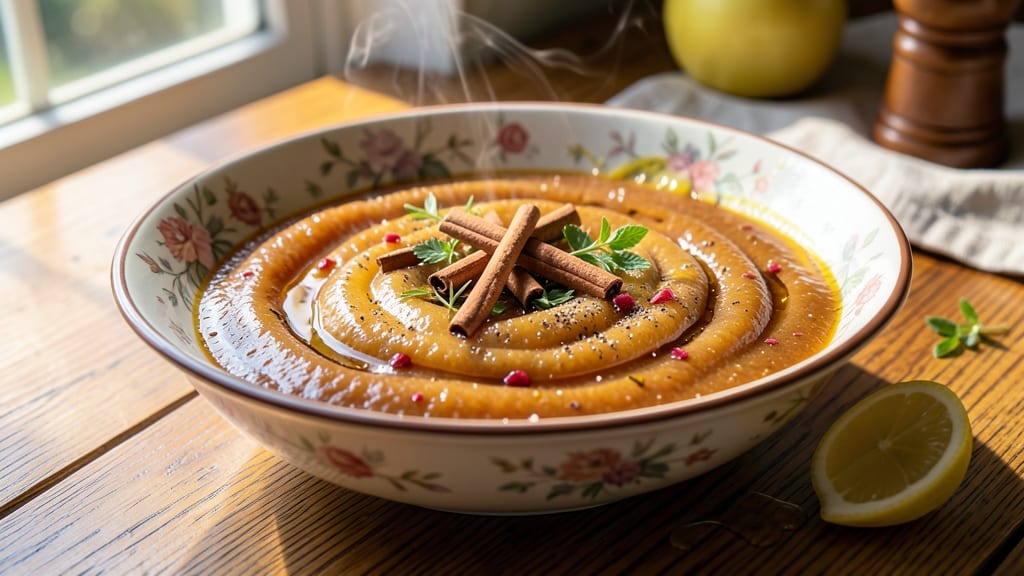
This apple sauce recipe for baking transforms simple apples into a versatile, naturally sweetened spread perfect for pies, muffins, or topping oatmeal. The slow simmer method preserves texture while developing deep caramel notes without added sugar, making it ideal for both sweet and savory applications.
What sets this version apart is the balanced spice blend—just enough cinnamon and nutmeg to enhance natural sweetness while keeping the flavor profile clean and adaptable.
The process is straightforward: peeled apples are simmered until tender, then crushed to achieve your preferred consistency—smooth for sauces or slightly chunky for rustic baking. A touch of lemon juice brightens the flavor, while a cornstarch slurry thickens the mixture naturally, ensuring it holds its shape in recipes.
This method delivers a foolproof result every time, with no risk of gumminess or artificial aftertastes.
Once cooled, the applesauce keeps in the refrigerator for up to a week or freezes for months, maintaining its vibrant color and flavor. The spice variations are endless—add cardamom for warmth, ginger for zing, or even a pinch of cayenne for subtle heat.
What you’ll end up with is a versatile, naturally sweetened sauce that elevates any baked good while keeping ingredients simple and wholesome.
Perfect for meal prep, gifting, or pantry staples, this recipe ensures you’ll always have a high-quality applesauce on hand. The instructions are designed to minimize waste and maximize flavor, making it a professional-quality result with minimal effort. Let’s get started!
Ingredients for apple sauce recipe for baking
Simple apples, balanced spices, and a foolproof thickening method create the perfect baking sauce.
| Ingredient | Amount | Notes |
|---|---|---|
| Apples (mixed variety) 🍎 | 4 lb | Peeled, cored, cut into even chunks |
| Water 💧 | 1 ½ cups | Enough to cover apples |
| Granulated Sugar (optional) 🍚 | ¼ cup | For slight sweetness enhancement |
| Ground Cinnamon 🌿 | 1 ½ tsp | Freshly ground preferred |
| Ground Nutmeg 🌿 | ½ tsp | Freshly grated nutmeg better |
| Lemon Juice 🍋 | 2 tbsp | Freshly squeezed |
| Cornstarch 🌾 | 1 tbsp | For thickening slurry |
| Salt 🧂 | ¼ tsp | Kosher or sea salt |
| Cardamom (optional) 🌿 | ¼ tsp | Ground for warmth |
| Ginger (optional) 🌿 | ½ tsp | Freshly grated |
The apples are the foundation—mix varieties like Honeycrisp and Granny Smith for balanced sweetness and acidity. Most grocery stores carry these, but local orchards often have fresh, organic options. Look for firm, unblemished fruit; avoid anything soft or shriveled. If you can't find mixed varieties, one sweet and one tart works too. Pre-peeling saves time, but if you're short on it, a vegetable peeler works fast—just be careful with the core. The cinnamon and nutmeg should be freshly ground if possible—pre-ground spices lose potency quickly. Penzeys or the bulk bins at Whole Foods are great for quality spices.
No cardamom? Skip it or use extra cinnamon—it won’t ruin the dish. Fresh ginger is ideal, but substitute with ground ginger at half the amount. The cornstarch slurry is key for thickening—mix it with cold water before adding to avoid lumps. If you prefer a chunkier texture, reduce the cornstarch to 0.5 tbsp. The lemon juice brightens the flavor, so don’t skip it—even if your apples are tart. For a savory twist, reduce the cinnamon to 1 tsp and add a pinch of cayenne pepper instead. The optional sugar is just for enhancement; this sauce tastes great without it, especially if you use naturally sweet apples like Fuji or Gala.
Store the applesauce in an airtight container in the fridge for up to 1 week, or freeze for 3-4 months—it keeps beautifully. For gifting, sterilize jars and let the sauce cool completely before sealing. The texture thickens as it cools, so reheat gently if it seems too stiff. This sauce reheats well—microwave 30 seconds or warm on the stove for best results. Portion into ice cube trays for easy single-use servings, perfect for topping oatmeal or swirling into yogurt.
Why You'll Love This Recipe
- No Peel Required: I’ll be real—this is one of those recipes where I skip the peeling. Just core, chop, and toss in a pot. The skins soften into the sauce, adding natural sweetness without extra work. (Yes, even on a Tuesday night.)
- Spiced Warmth Every Time: That first whiff of cinnamon and nutmeg hitting the simmering apples? Instant cozy. The sugar (if you use it) just melts into the fruit, balancing the tartness of mixed apples like a hug in a bowl.
- Baking’s Best Sidekick: From muffins to meatloaf, this sauce transforms everything. I keep a jar in the fridge—dump it into pie dough for filling, swirl it into oatmeal, or drizzle it over pancakes. It’s my secret weapon for depth without fuss.
- Pantry Staple, Zero Waste: Apples get mushy fast, but this recipe turns them into something useful before they spoil. Plus, it’s cheap—just fruit, water, and a pinch of spice. Make a big batch, freeze half, and thank me later when you’re not scrambling for last-minute dessert fixings.
Step-by-step instructions for homemade apple sauce
Transform fresh apples into a smooth, spiced sauce perfect for baking or serving.
Prepare the Apples and Combine with Water
In a large, heavy-bottomed pot, combine the peeled, cored, and evenly chopped 4 lb apples (mixed variety) with the 1.5 cups water. I use a Dutch oven for even heat distribution—this prevents scorching while cooking. The water should just cover the apples, leaving about ½ inch of space at the top.
Bring the mixture to a boil over medium-high heat, then immediately reduce to medium-low heat. Let it simmer uncovered for 15-20 minutes, stirring occasionally. You'll see the apples soften and break down—they should release their juices and become tender enough to crush easily with a wooden spoon. This simmering step extracts the natural sweetness and develops the apple flavor.
Add Spices and Simmer Until Tender
Once the apples are soft, stir in the 1.5 tsp ground cinnamon, 0.5 tsp ground nutmeg, 0.25 tsp salt, and any optional spices like 0.25 tsp cardamom or 0.5 tsp ginger. Let the mixture simmer uncovered for another 10-15 minutes until the apples are completely tender and the sauce has thickened slightly. You'll know it's ready when the apples mash easily between your fingers and the sauce coats the back of a spoon.
If you're using the optional 0.25 cup granulated sugar, add it now and stir to dissolve. The sugar enhances the natural sweetness, but the sauce will still be flavorful without it. Taste the mixture—you want a balance of apple sweetness and spice. If you prefer it sweeter, add a bit more sugar, but remember, the apples' natural sweetness will develop more as they cool.
Create the Cornstarch Slurry for Thickening
In a small bowl, whisk together the 1 tbsp cornstarch with 2 tbsp lemon juice until smooth. This slurry is the secret to achieving the perfect thick, glossy consistency without adding extra sugar. The lemon juice also brightens the flavor and prevents the sauce from browning too much during cooking.
Slowly pour the slurry into the simmering apple mixture while stirring constantly. The sauce will begin to thicken immediately—this is normal. Let it simmer for another 3-5 minutes until it reaches your desired consistency. You want it thick enough to coat the back of a spoon but still smooth and spreadable. If it's too thick, add a splash of hot water to loosen it. If it's too thin, simmer a bit longer.
Finish and Store for Freshness
Once the sauce reaches the perfect thickness, remove it from heat and let it cool for 5 minutes. This cooling step allows the flavors to meld and the sauce to thicken further as it sits. Stir in any remaining optional spices if desired, and taste again to adjust seasoning.
For a silky-smooth texture, transfer the sauce to a blender or food processor and blend until completely smooth. If you prefer a slightly rustic texture, skip blending and leave it slightly chunky. Store the apple sauce in an airtight container in the refrigerator for up to 1 week or freeze it for up to 6 months. This sauce is perfect for baking, pairing with meats, or spreading on toast.
Pro Tips For Making Apple Sauce Recipe For Baking
- PEEL CORE SLICE THIN: Peeling apples for baking sauce is optional, but if you skip it, slice them paper-thin—1/8-inch or less. Thicker pieces turn mushy and release starch too fast, making your sauce gluey instead of silky. I learned this after three batches of sad, watery applesauce.
- SIMMER UNTIL GONE: Don’t rush the cook time. Simmer uncovered on medium-low until the apples break down completely—no visible chunks, just a thick, jammy texture. This takes 20-30 minutes, depending on your apples. Skimp here, and your sauce will taste undercooked and watery.
- SALT THE WATER: Add a pinch of salt (1/4 teaspoon) to the water while cooking. It enhances the apple flavor subtly and balances the sweetness, especially if you’re using tart varieties like Granny Smith. I was skeptical until I tried it—now I never skip it.
- STRAIN IF SMOOTH: Want a silky sauce? Strain it through a fine-mesh sieve after cooking, pressing with a spoon to catch every last bit of pulp. No sieve? Cheesecloth works, but it’s messier. This step isn’t always necessary, but it makes a real difference for pies or as a glaze.
Wine and beer pairings for this apple sauce recipe for baking
Crisp White Wine Pairings
For this naturally sweetened applesauce, I reach for dry Riesling from Germany or Alsace—its bright acidity and subtle honeyed notes mirror the sauce’s caramelized apple flavors. The 2022 Dr. Loosen Blue Slate Riesling is my go-to; its crisp finish cuts through the spice without overpowering.
If you prefer something lighter, Sauvignon Blanc from New Zealand offers zesty citrus that complements the lemon juice in the sauce. 🍷
Dry Sparkling Wine
A chilled Prosecco or Cava makes an unexpected but brilliant pairing, especially for serving applesauce with charcuterie. The effervescence cleanses your palate between bites, while the slight sweetness in some Proseccos enhances the applesauce’s natural sugars.
I love La Marca Prosecco for its affordability and consistent quality—it’s a crowd-pleaser that won’t break the bank.
Apple Cider Beer Pairings
For a non-alcoholic or beer-friendly option, hard cider is a no-brainer. Look for dry, crisp ciders like Strongbow Original or Angry Orchard Crisp Apple—their tartness balances the sauce’s sweetness beautifully.
If you prefer beer, a Belgian witbier (like Hoegaarden) with its coriander and citrus notes creates a refreshing contrast. Avoid heavy stouts or lagers, which can muddle the delicate spice profile. 🍺
Spiced Rum Cocktail
Warm up your applesauce with a spiced rum cocktail—my favorite is apple cider + spiced rum + cinnamon stick. Mix 1.5 oz Captain Morgan Spiced Rum with 4 oz warm apple cider, a splash of lemon juice, and a cinnamon stick for garnish.
Serve warm in a mug for a cozy, autumnal treat that lets the applesauce shine as both ingredient and inspiration.
Savory Pairings for Meat Dishes
When using applesauce as a glaze for pork or chicken, pair it with Pinot Noir or Gewürztraminer. The wine’s earthy notes complement the caramelized apples while standing up to the richness of roasted meats.
For a beer option, a Belgian dubbel like Rodenbach adds malty depth that enhances the sauce’s spice blend.
Dessert Wine Balance
For sweet applications (like apple sauce-topped pancakes or oatmeal), a late-harvest Riesling or Moscato d’Asti provides the perfect sweetness contrast. The 2021 Chateau Ste. Michelle Late Harvest Riesling is my top pick—its luscious texture and balanced sweetness make it a dessert wine that won’t overwhelm.
A sip between bites of applesauce keeps the flavors harmonious. 🍇
Nutrition facts
Frequently asked questions
Can I use frozen apples instead of fresh?
Yes! Frozen apples work perfectly—just thaw and drain them first. Use 4 cups of thawed frozen apples (about 3-4 lb before freezing) and reduce the water to 1 cup since frozen apples release less liquid. The texture will be slightly softer, but the flavor remains rich.
How do I adjust the spice level for kids?
For a milder version, reduce cinnamon to 0.5 tsp and omit nutmeg and cardamom. Add a pinch of vanilla extract (0.25 tsp) for sweetness instead. The lemon juice still brightens the flavor without altering the spice profile.
Why did my applesauce turn out watery?
Watery sauce usually means the apples weren't cooked long enough or the cornstarch slurry wasn't added properly. Simmer uncovered for 5-10 extra minutes and stir constantly when adding the slurry. If needed, mix 1 tsp cornstarch with 1 tbsp water and stir into the hot sauce to thicken.
Can I make this without cornstarch?
For a naturally thickened version, mash the apples thoroughly after cooking and simmer uncovered for 15-20 extra minutes to evaporate excess liquid. Alternatively, blend the cooked apples with 1 tbsp apple cider vinegar (instead of lemon juice) and simmer until it reaches the desired consistency.
How should I reheat stored applesauce?
Reheat gently to preserve texture: microwave for 30 seconds or warm in a saucepan over low heat for 2-3 minutes, stirring frequently. Avoid high heat, which can make it grainy. For smooth results, add 1 tsp water and whisk before reheating if needed.