
Sauces & Condiments
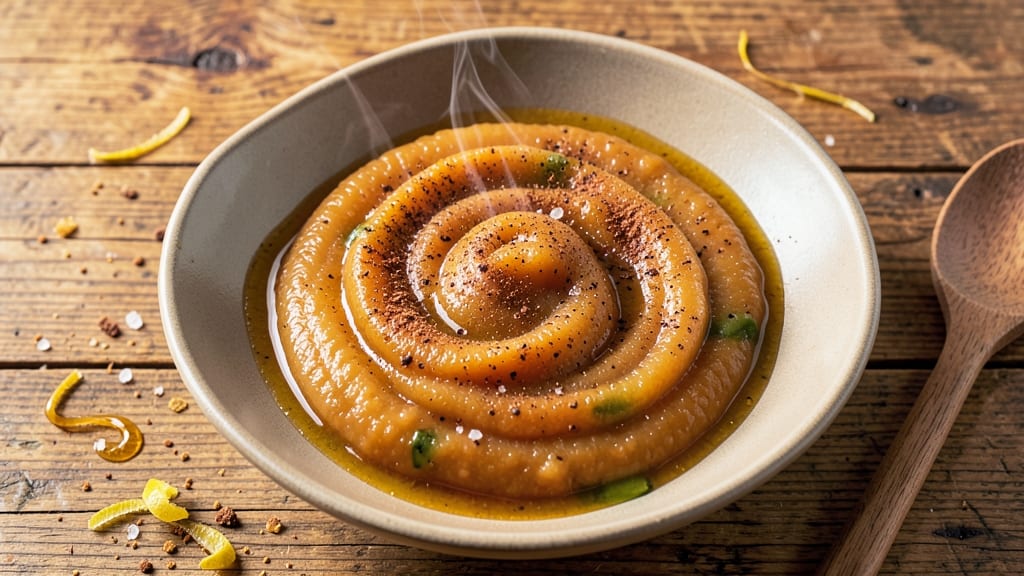
This oven apple sauce recipe transforms simple apples into a naturally sweet, spiced condiment without added sugar—perfect for pairing with pork, toast, or desserts.
I developed this method after realizing that slow-cooked apples in the oven develop deeper flavor than stovetop versions, with just a touch of cinnamon and lemon to brighten the natural sweetness.
The process is straightforward: peel, core, and slice apples, then bake them until tender before blending into a smooth or slightly textured sauce.
The beauty of oven-baked apple sauce lies in its versatility—use it as a topping for pancakes, a glaze for roasted meats, or a filling for pies. Unlike store-bought versions, this recipe lets you control the sweetness and texture, with optional spices like nutmeg or cardamom for extra warmth.
The slow cooking process caramelizes the apples naturally, creating a rich, aromatic sauce that’s far more complex than you’d expect from basic ingredients.
Once baked, the apples soften into a creamy, velvety consistency that blends effortlessly into a smooth sauce or can be left slightly chunky for texture.
Store it in the fridge for up to a week or freeze for months, making it a perfect make-ahead condiment for holiday meals or weeknight dinners. The best part? No added sugar means you can adjust the sweetness to your taste while keeping the recipe naturally balanced.
This method also works beautifully with seasonal apples—try it with Honeycrisp for a sweeter sauce or Granny Smith for a tangier twist. The oven’s gentle heat ensures even cooking, so every bite (or spoonful) is perfectly tender.
Whether you’re serving it alongside roasted chicken or spreading it on toast, this apple sauce delivers restaurant-quality flavor with minimal effort.
Ingredients for apple sauce recipe oven
Eight simple ingredients transform into a velvety, naturally sweet apple sauce perfect for any occasion.
| Ingredient | Amount | Notes |
|---|---|---|
| Honeycrisp Apples 🍎 | 4 medium | Peeled, cored, sliced thin |
| Granny Smith Apples 🍎 | 4 medium | Peeled, cored, sliced thin |
| Ground Cinnamon 🌿 | 1 tbsp | Freshly ground preferred |
| Lemon Juice 🍋 | 2 tbsp | Freshly squeezed |
| Vanilla Extract 🥛 | ½ tsp | Pure vanilla preferred |
| Pinch of Salt 🧂 | ¼ tsp | Enhances natural sweetness |
| Ground Nutmeg 🌿 | ¼ tsp | Optional for warmth |
| Water 💧 | ¼ cup | For blending consistency |
The apples are the heart of this sauce, so choose firm, ripe Honeycrisp or Granny Smith—Honeycrisp for sweeter flavor, Granny Smith for tang. Buy them a day or two before use so they ripen slightly on the counter. The local farmers market often has the best selection, especially in fall. If you can't find these varieties, Fuji or Gala work beautifully too. Just avoid mealy apples—they won't caramelize properly. I always peel mine for a smoother texture, but the skin adds lovely color if you prefer rustic.
No vanilla extract? Almond extract at half the amount gives a lovely floral note. Short on lemon juice? Orange juice works too, though it'll change the flavor profile slightly. The cinnamon is non-negotiable—it's what gives that classic apple sauce warmth. For extra depth, toast the ground cinnamon in a dry pan for 30 seconds before adding (trust me on this). If you're feeling adventurous, swap the nutmeg for a pinch of cardamom or allspice. And if your apples are particularly dry, add an extra splash of water—just enough to help them blend smoothly.
This sauce keeps beautifully in the fridge for up to 1 week in an airtight container, or 6 months frozen. For best texture, reheat gently on the stove with a splash of water. I always make double batches—one for immediate use and one to freeze for holiday meals. The sauce thickens as it cools, so if it seems too thick after blending, simply stir in a bit more water. And if you prefer chunkier sauce, skip the final blending step entirely—just mash the apples with a fork.
Why You'll Love This Recipe
- No Peel, No Stress: I swear by this method—just core and quarter the apples, no peeling required. The skins add texture, and the oven does all the work while you sip coffee or watch a show.
- Sweet-Tart Magic: Honeycrisp’s juicy crunch meets Granny Smith’s sharp bite, balanced by cinnamon that warms you up. A splash of lemon keeps it bright, and vanilla? That’s the secret hug at the end.
- Pantry Staple Power: Use it as a topping for yogurt, a swirl in oatmeal, or a glaze for roasted pork—it’s my go-to for breakfast, lunch, or dinner. Honestly, I’ve even drizzled it over ice cream (don’t judge).
- Make-Ahead Miracle: Bake a big batch on Sunday, and you’ve got a week’s worth of flavor. It thickens beautifully over time, and the cinnamon smell alone makes the kitchen feel like autumn. (Yes, even on a Tuesday night.)
Step-by-step instructions for slow-cooked apple sauce
Here's how to transform simple apples into velvety, naturally sweet apple sauce with perfect spice balance.
Prep the Apples for Even Cooking
Peel, core, and slice all 8 medium apples into ¼-inch thick rounds using a mandoline or sharp knife. The Honeycrisp will add natural sweetness while the Granny Smith provides tartness and texture. I like to work in batches—slice the apples and place them immediately in a large mixing bowl to prevent browning.
Give the sliced apples a quick rinse under cold water to remove any residual starch, then drain thoroughly. This step ensures your sauce won't be cloudy. For best results, use a mix of both apple varieties—their contrasting flavors create depth. If you're feeling ambitious, you could even lightly crush half the slices with your hands before adding them to the baking dish for extra texture variation.
Season and Arrange for Perfect Flavor Distribution
In a small bowl, whisk together the 1 tablespoon ground cinnamon, ½ teaspoon vanilla extract, ¼ teaspoon pinch of salt, and ¼ teaspoon ground nutmeg. Sprinkle this spice mixture evenly over the sliced apples in the mixing bowl, tossing gently to coat each piece. The cinnamon will develop warm, sweet notes while the nutmeg adds subtle earthiness.
Transfer the seasoned apples to a 9x13-inch baking dish, spreading them out in an even layer. Pour the 2 tablespoons lemon juice over the top and then add the ¼ cup water. The lemon juice prevents browning and brightens the apples' natural flavors, while the water helps create a smoother texture during cooking. Arrange the apples in a single layer—this ensures even cooking and prevents steaming rather than baking.
Bake Until Tender and Fragrant
Preheat your oven to 375°F and bake the apples uncovered for 30 minutes. After this initial baking time, you'll notice the apples have softened but still retain some shape. This is when the magic happens—the natural sugars begin caramelizing while the spices infuse deeply.
Here's the thing—don't walk away. At the 30-minute mark, carefully stir the apples with a wooden spoon, pressing down gently on any larger pieces. This helps break them down further and ensures even cooking. Return to the oven and bake for another 20-25 minutes until the apples are completely tender and the mixture has reduced slightly. You'll know it's ready when the apples collapse easily under gentle pressure and the kitchen fills with that irresistible spiced apple aroma.
Blend to Silky Perfection
Transfer the baked apples to a blender or food processor, working in batches if needed. I like to use a high-speed blender for ultra-smooth results, but a food processor works just fine. Pulse until the mixture is completely smooth, scraping down the sides as needed. The texture should be velvety with no visible chunks—this is where the slow cooking pays off.
Taste and adjust seasoning if needed. You might find the sauce needs a touch more salt or lemon juice to balance the sweetness. Remember, we're not adding any sugar here—we're relying on the apples' natural sweetness and the spices to create depth. If the sauce is too thick, whisk in 1-2 tablespoons of water to reach your desired consistency. The result should be a luscious, naturally sweet apple sauce that's perfect for topping pancakes, pairing with meats, or enjoying straight from the spoon.
Pro Tips For Making Apple Sauce Recipe Oven
- CORE THE APPLES FIRST: Peel, core, and chop them into even ½-inch chunks—no need for fancy dice—before tossing in the oven tray. Uneven pieces mean some apples turn to mush while others stay tough, and nobody wants a textural surprise in their sauce.
- USE 375°F, NOT HIGHER: Bake at 375°F (not 400°F or "until soft") for about 25-30 minutes. Higher heat caramelizes the edges too fast, burning the edges before the centers cook through. I learned this the hard way—charred apple bits ruin the smoothness.
- SALT THE APPLES: Sprinkle a pinch of salt (½ tsp) over the chopped apples before baking. It draws out excess moisture, preventing a watery sauce later. Sounds weird, but it works—your sauce will thicken naturally without extra starch.
- STIR IN LEMON JUICE LAST: Add the lemon juice and vanilla only after the apples are fully tender and off the heat. Waiting keeps the bright acidity from cooking off too soon, so every spoonful stays fresh. I skip this and end up with bland sauce—don’t make my mistake.
Troubleshooting this dish
Apples Too Dry?
If your baked apples turn out dry and crumbly instead of tender, the issue is likely insufficient moisture. I’ve found that adding 1 extra tablespoon of water or apple juice to the baking dish before cooking helps prevent this.
For extra insurance, try placing a small ramekin of water in the oven alongside your baking dish—this creates steam that keeps the apples juicy. Also, check your oven temperature: if it runs hot, reduce to 350°F for more gentle cooking. 💧
Sauce Too Thin?
When blending, if your apple sauce comes out thinner than expected, it’s probably because the apples released too much liquid during baking. The solution? Simmer the blended sauce on low heat for 5-10 minutes—this evaporates excess moisture while concentrating the flavor.
Alternatively, add 1 teaspoon of cornstarch mixed with 1 tablespoon water, stir in, and simmer until thickened. I’ve also had success with 1 tablespoon of unsweetened applesauce powder (like Sure-Jell) for a natural thickener. 🍎
Blender Won’t Puree?
If your apples aren’t blending smoothly, they might not be tender enough. Try these fixes: First, press the baked apples through a fine-mesh sieve to remove any fibrous bits before blending. If they’re still stubborn, add 1-2 tablespoons of water or apple juice while blending—this helps create a smoother consistency.
For extra insurance, let the apples cool completely before blending; warm apples can gum up the blender. If all else fails, use an immersion blender directly in the baking dish for a hands-off approach. 🔄
Burnt Edges?
Darkened or burnt edges on your baked apples usually mean the oven is too hot or the dish is too close to the heating element. To prevent this, position your baking dish on the middle rack of the oven and reduce the temperature to 350°F.
If your oven runs hot, try tenting the dish loosely with aluminum foil during the first 20 minutes of baking. For even cooking, stir the apples gently at the 30-minute mark—this redistributes any hot spots. 🔥
Lemon Too Tart?
If the lemon juice overpowers the natural sweetness of your apples, balance it with a pinch of salt or a sprinkle of brown sugar (just ½ teaspoon).
For a more subtle adjustment, add ½ teaspoon of honey or maple syrup while blending—this enhances the apples’ sweetness without altering the texture.
I’ve also found that vanilla extract (already in the recipe) helps mellow out tartness, so if your sauce tastes too sharp, add an extra ¼ teaspoon during blending. 🍋
Spices Not Infusing?
If your cinnamon or nutmeg flavors seem faint, the spices might not have had enough time to meld with the apples. To fix this, toast the spices in a dry pan for 30 seconds before mixing them with the apples—this intensifies their aroma.
For deeper flavor, try folding the spices into the apples after baking instead of before, letting them steep for 5 minutes before blending. If you’re using pre-ground spices, consider whole spices (like a cinnamon stick) for a more complex flavor profile. 🌿
Nutrition facts
Frequently asked questions
Can I use only one type of apple for this recipe?
Yes, but mixing varieties creates better balance! Honeycrisp adds natural sweetness while Granny Smith provides tang. For a single variety, choose Honeycrisp for sweeter sauce or Granny Smith for tartness. Just note that single varieties may need 1-2 extra tablespoons of water during blending for smoother texture.
How do I adjust the spice level for kids or sensitive palates?
Reduce the cinnamon to ½ teaspoon and omit nutmeg entirely. For extra mildness, add ½ teaspoon vanilla extract instead—it enhances sweetness without spice. You can also blend in 1 tablespoon unsweetened applesauce after cooking to mellow the flavors.
Can I make this sauce in a slow cooker instead?
Use the same ingredients but cook on low for 3-4 hours with ¼ cup extra water. Stir occasionally to prevent sticking. The texture will be slightly thicker since slow cookers evaporate more moisture. For best results, blend after cooking.
What's the best way to store leftover apple sauce?
Transfer to an airtight container and refrigerate for up to 1 week. For longer storage, freeze in ice cube trays (for portions) or silicone molds (for blocks). Thaw overnight in the fridge—never microwave directly from frozen. The sauce thickens when chilled, so stir in 1 tablespoon water when reheating.
Can I add other fruits to this recipe?
Yes! Try adding ½ cup diced pear or ½ cup chopped peaches with the apples. For tartness, add ¼ cup blueberries or 2 tablespoons cranberry sauce. Just reduce the water by 2 tablespoons to balance the extra moisture from other fruits.