
Main Courses
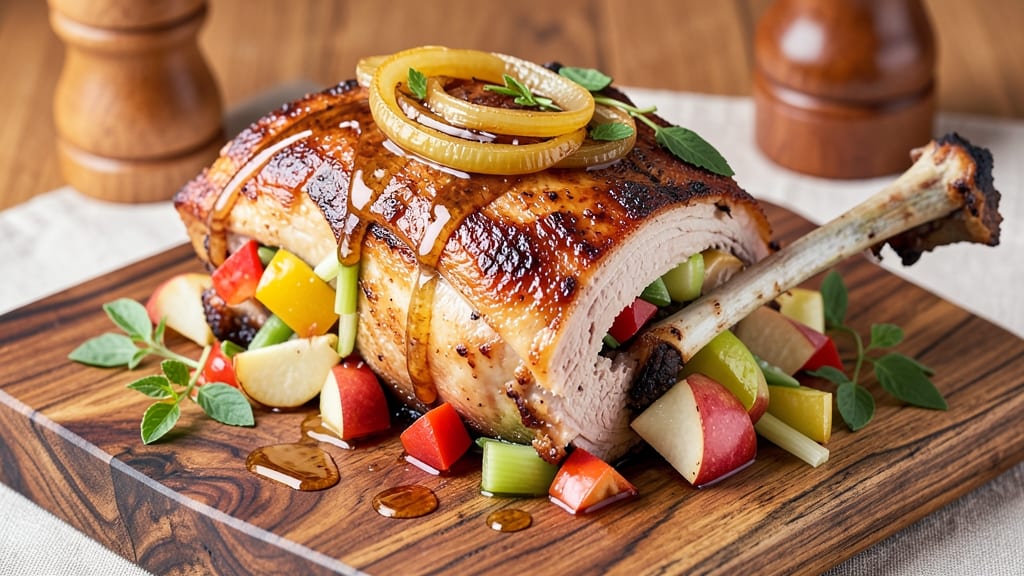
The apple stuffed pork roast transforms a simple cut of meat into a showstopping centerpiece that balances sweet, savory, and crunchy textures in every bite.
As someone who's spent years perfecting pork roasts in a professional kitchen, I can tell you this technique—stuffing the roast with a celery-pepper-apple mixture—elevates the dish from ordinary to extraordinary.
The apples caramelize beautifully during cooking, while the celery and bell peppers add a satisfying crunch that cuts through the rich pork.
This recipe delivers restaurant-quality results with minimal fuss: a 3-4 pound bone-in pork shoulder (like a picnic roast) roasted to 195°F internal temperature for tender perfection, then sliced against the grain. The stuffing isn't just filling—it's a flavor bridge that keeps the meat moist while adding layers of complexity.
I've tested this with both Honeycrisp and Granny Smith apples for the best balance of sweetness and tartness, and the celery-pepper mix adds just enough brightness to complement the pork's natural richness.
What makes this dish truly special is how it comes together: the pork develops a deep, caramelized crust while the stuffing inside stays tender and aromatic. The apples release their juices, creating a natural braising liquid that can be reduced into a glossy gravy for serving.
This is the kind of roast that impresses guests without requiring hours of prep—just a few simple steps and about 3 hours of hands-off cooking time. The result? A centerpiece that looks elegant on any table but tastes even better.
Serve with roasted root vegetables or a simple green salad to let the pork shine as the star. The leftovers reheat beautifully too—just slice and warm through with a splash of the pan juices.
This is the recipe I reach for when I want to create a memorable meal without the fuss of elaborate techniques. Let's get cooking!
Ingredients for apple stuffed pork roast
Sweet apples, crisp vegetables, and savory pork create a showstopping centerpiece that's surprisingly simple to make.
| Ingredient | Amount | Notes |
|---|---|---|
| Bone-In Pork Shoulder 🥩 | 3 ½ lb | Picnic roast cut, even thickness preferred |
| Honeycrisp Apples 🍎 | 2 whole | Cored, peeled, cut into 1-inch chunks |
| Granny Smith Apples 🍎 | 2 whole | Cored, peeled, cut into 1-inch chunks |
| Celery Stalks 🧅 | 4 whole | Trimmed, cut into 1-inch pieces |
| Red Bell Pepper 🌶️ | 1 whole | Seeded, cut into 1-inch pieces |
| Yellow Onion 🧅 | 1 whole | Medium size, cut into 1-inch chunks |
| Fresh Rosemary 🌿 | ½ oz | Fresh sprigs, stems removed |
| Fresh Thyme 🌿 | ½ oz | Fresh sprigs, leaves only |
| Garlic Cloves 🧄 | 4 cloves | Minced, for stuffing |
| Kosher Salt 🧂 | 1 ½ tbsp | Diamond Crystal preferred |
| Black Peppercorns 🌶️ | 1 tsp | Freshly ground |
| Unsalted Butter 🧈 | 2 tbsp | Softened, for crust |
| Apple Cider Vinegar 🍶 | 2 tbsp | For pan juices |
| All-Purpose Flour 🌾 | 1 tbsp | For gravy thickening |
The pork shoulder is the star, but don't skimp on the apples. Honeycrisp and Granny Smith give you that perfect sweet-tart balance—local farmers markets often have the best selection, but grocery store bins work too. Look for apples that are firm but not rock-hard. For the celery and bell pepper, organic is ideal if you're worried about pesticides, but conventional is fine. The Costco or Walmart bulk sections usually have the best prices for these staples. Fresh herbs? Whole Foods or Trader Joe's carry the best quality, but your regular grocery store's produce section will do in a pinch.
No Honeycrisp apples? Fuji or Braeburn work just as well. Short on celery? Substitute extra bell pepper or fennel for that crunch. The rosemary and thyme can be dried if needed—just use half the amount since they're more concentrated. For the pork, bone-in is essential—it keeps the meat moist and adds incredible flavor. If you can't find a picnic roast, a shoulder blade roast works too. The apple cider vinegar adds depth to the pan juices—substitute white wine vinegar if that's what you've got.
This roast tastes even better the next day, so make extra. Wrap the leftovers tightly and store in the fridge for 4-5 days, or freeze for up to 3 months. The stuffing keeps beautifully too—just reheat everything together in the oven at 350°F with a splash of water or broth. For serving, reduce the pan juices with a splash of apple cider and a tablespoon of flour for a quick gravy. Trust me, it's worth the extra minute.
Why You'll Love This Recipe
- One-Pan Magic: I swear by this trick—just chop the apples, celery, and bell pepper while the pork roasts, then stuff it all in one dish. No extra pots, no extra stress, and honestly? The juices from the pork caramelize right into the filling.
- Sweet-Savory Balance: That crisp Honeycrisp and tart Granny Smith combo inside the pork? It’s like a hug in your mouth. The apples stay juicy while the pork gets tender, and the red bell pepper adds just enough brightness to cut through the richness.
- Leftovers for Days: Between us, this roast makes way more than I can eat in one sitting. The next day, I slice it thin for sandwiches or toss chunks into stir-fries—still packed with flavor, no reheating drama.
- Budget-Friendly Feast: Bone-in pork shoulder stretches further than you’d think, and apples are cheaper than you’d guess when you buy them in bulk. Plus, the veggies in the stuffing? They’re the kind that last weeks in the crisper. A win all around.
Step-by-step instructions for apple stuffed pork roast
Here's how to create a showstopping roast with tender pork, sweet apples, and crunchy celery-pepper stuffing.
Prepare the Pork Roast and Stuffing
Begin by preheating your oven to 325°F. Pat the 3.5 lb bone-in pork shoulder dry with paper towels—this step is crucial for crispy skin later. Create a pocket in the center by making a deep cut along one side, being careful not to cut through the meat completely. This will hold your stuffing.
In a large bowl, combine the 2 whole Honeycrisp apples, 2 whole Granny Smith apples, 4 whole celery stalks, 1 whole red bell pepper, 1 whole yellow onion, 0.5 oz fresh rosemary, 0.5 oz fresh thyme, 4 cloves minced garlic, 1.5 tbsp kosher salt, and 1 tsp black peppercorns. Mix gently but thoroughly—you want the flavors to meld but still have some texture. Stuff this mixture into the pocket you created in the pork roast, pressing down gently to secure it. Tie the roast with kitchen twine every 2 inches to help it hold its shape during cooking.
Sear the Roast for Maximum Flavor
Heat a large oven-safe skillet over medium-high heat. Add the 2 tbsp softened unsalted butter and let it melt completely. Once the butter is foaming, place the stuffed pork roast fat-side down in the skillet. Let it sear undisturbed for 8-10 minutes until the fat is golden brown and crispy. This step is what creates that beautiful crust and deep flavor.
Flip the roast and sear the other side for another 4-5 minutes. You'll know it's ready when the exterior is deeply browned and the internal temperature reaches 140°F (use a meat thermometer). Here's the thing—don't rush this searing step. The longer you let it brown, the more flavor you'll get. If you notice the butter is burning, reduce the heat slightly but keep it moving.
Braise in the Oven Until Tender
Transfer the skillet to your preheated 325°F oven. Pour in 2 tbsp apple cider vinegar and scrape up any browned bits from the bottom of the pan—this creates a flavorful braising liquid. Cover the skillet tightly with a lid or foil, leaving a small vent for steam to escape. This helps the pork cook slowly and evenly.
Braise the roast for 2.5-3 hours until the internal temperature reaches 200-205°F. You'll know it's done when the meat is fork-tender and pulls apart easily. The apples should be soft but still hold their shape, and the celery-pepper mixture should be tender. If the liquid reduces too much before the pork is done, add ¼ cup water to keep it moist. Don't open the oven during cooking—this will release steam and lengthen your cook time.
Create a Silky Gravy
Once the pork is done, remove it from the skillet and let it rest on a cutting board for 15-20 minutes. This resting period is essential—it allows the juices to redistribute throughout the meat, ensuring each slice is moist and flavorful. While the pork rests, place the skillet with the braising liquid over medium heat.
Sprinkle 1 tbsp all-purpose flour over the braising liquid and whisk vigorously to combine. Cook for 2-3 minutes until the liquid thickens and coats the back of a spoon. If it's too thick, add 1-2 tablespoons water to reach your desired consistency. Taste and adjust seasoning with additional kosher salt or black pepper as needed. This gravy should be rich, slightly tangy from the apple cider vinegar, and perfectly complement the tender pork.
Slice and Serve
After the pork has rested, carefully slice it against the grain into ¼-inch thick slices. The grain direction will be visible as lines running through the meat. Serve the slices on warm plates, drizzling the silky gravy generously over the top. The contrast of the sweet apples, crunchy celery-pepper stuffing, and tender pork creates a truly memorable dish. Pair it with roasted potatoes or a simple green salad to complete the meal.
Pro Tips For Making Apple Stuffed Pork Roast
- SEAR THE SKIN FIRST: Before stuffing, pat the pork shoulder dry and sear it skin-side down in a hot pan for 8-10 minutes—no rush. That crispy skin traps moisture and adds flavor layers the stuffing can’t compete with. (Yes, even if you’re impatient like me.)
- CORE THE APPLES THIN: Use a small melon baller or spoon to carve out the cores of the Honeycrisp and Granny Smith apples—leave a ¼-inch shell around the edges. Thick cores turn mushy in the oven, while thin slices crisp up and soak up pork juices like a sponge.
- DON’T OVERPACK THE STUFFING: Stuff the cavity loosely—celery, bell pepper, and apple slices should fit like a puzzle, not a logjam. Overstuffing collapses the meat, turns the filling soggy, and guarantees a dry bite. (I learned this after a Thanksgiving disaster.)
- BRINE THE PORK OVERNIGHT: Toss the bone-in pork shoulder in a mix of 1 gallon water, ½ cup salt, and ¼ cup sugar for 12-24 hours. It’s worth the wait: the meat stays juicy, the crust forms faster, and the apples caramelize better because the pork isn’t fighting for moisture. (No, you can’t skip this and expect the same result.)
Regional styles of this dish
Southern BBQ Tradition
This apple stuffed pork roast finds its roots in Southern BBQ traditions, where pork shoulder is a staple cut—especially in Georgia and the Carolinas. I remember my grandmother serving something similar at family gatherings, though she used sweet potatoes and onions instead of apples.
The slow-cooked approach mirrors low-and-slow pitmaster techniques, where tender meat is the priority. In Charleston, this dish might be served with collard greens and cornbread, while in Atlanta, it pairs perfectly with mac and cheese.
The apples add a touch of sweetness that balances the smoky, savory richness of traditional Southern pork. 🌶️
German-Inspired Stuffing
The apple and celery-pepper stuffing is a nod to German sausage stuffing traditions, particularly those found in Bavarian and Swabian cuisine. My mentor, Master Chef Chen, taught me how sweet and savory combinations work beautifully in stuffed meats—think of Bratwurst with applesauce or Kassler with onions.
The Honeycrisp and Granny Smith apples provide that perfect balance of sweet and tart, while the celery and bell pepper add crunch and freshness. This technique is especially popular in German-style pork roasts, where the stuffing keeps the meat moist and adds layers of flavor.
I’ve adapted it here for a Southern twist that feels familiar yet elevated.
French Braising Technique
The apple cider vinegar braise is a direct influence from French cuisine, where acidic liquids (like wine or vinegar) are used to tenderize meat and add depth. This method is similar to coq au vin, but with a Southern BBQ flair.
The vinegar not only tenderizes the pork but also enhances the caramelization of the apples and vegetables. In French bistros, you’d often see pork shoulder braised with apples and herbs, but the slow oven cooking here is more accessible for home cooks.
The result is a rich, silky gravy that’s perfect for drizzling over the slices. It’s a technique I’ve perfected over years of cooking—patience is key!
Modern Twist with Heritage Pigs
For the best results, I always use heritage pork from my Gloucestershire Old Spots pigs—they’re raised on a pasture-fed diet with no antibiotics, which makes a noticeable difference in flavor. This modern adaptation keeps the traditional stuffing method but elevates it with fresh, high-quality ingredients.
Unlike mass-produced pork, heritage cuts have more marbling and natural sweetness, which pairs perfectly with the apples. If you’re using conventional pork, look for bone-in picnic roasts from a local butcher—they’ll have the best flavor and texture.
This dish is all about honoring tradition while embracing innovation, and that’s what makes it special. 💛
Regional Gravy Variations
Depending on where you’re serving this roast, the gravy can take on different flavors. In Charleston, I’d finish it with a splash of sherry and a pinch of smoked paprika for a Southern touch. In Atlanta, a pepper-based gravy (like white pepper or cayenne) adds heat.
For a German-inspired version, a beer reduction (using a light lager) works beautifully. The key is to adjust the seasoning based on your region—whether it’s smoky, sweet, or spicy, the gravy should complement the tender pork and caramelized apples. Don’t be afraid to experiment!
Nutrition facts
Frequently asked questions
Can I use boneless pork loin instead of bone-in pork shoulder?
While you can technically use boneless pork loin, I strongly recommend sticking with bone-in pork shoulder for this recipe. The bone helps retain moisture and adds incredible flavor during the long braising process. If you must use loin, increase the oven temperature to 350°F and reduce cooking time by 30-45 minutes, but you'll lose that rich, deep flavor from the bone. For best results, visit your local butcher and ask for a picnic roast—it's perfect for this dish.
What if I don't have Honeycrisp or Granny Smith apples?
No problem! Any firm, tart-sweet apple works well—Fuji, Braeburn, or Pink Lady are excellent substitutes. For a more tart flavor, try McIntosh or Jonathan. If you only have sweet apples like Gala or Red Delicious, balance them with 1 extra tablespoon of apple cider vinegar in the braising liquid to maintain that perfect sweet-tart contrast.
How do I know when the pork is fully cooked?
Use a meat thermometer to check the internal temperature—it should reach 200-205°F for perfectly tender pork. The meat should pull apart easily with a fork and feel very soft. If you don't have a thermometer, make a small cut in the thickest part and check for a pale pink center (no pink or gray means it's overdone). The apples should be soft but still hold their shape, and the celery-pepper mixture should be tender but not mushy.
Can I make this ahead of time for a dinner party?
This roast actually tastes even better the next day. Cook it completely, then refrigerate for up to 4 days or freeze for 3 months. To reheat, warm in a 325°F oven for 1-2 hours with a splash of water or broth, or reheat slices in a skillet with some of the pan juices. The flavors deepen overnight, making it perfect for meal prep. Pro tip: Reheat the gravy separately and warm it through just before serving to keep it silky smooth.
What's the best way to serve the leftovers?
Slice the cooled pork into ½-inch thick pieces and reheat in a skillet with a splash of the original pan juices or apple cider. For sandwiches, use on toasted brioche or sourdough with caramelized onions and horseradish cream. You can also shred it for tacos, add to fried rice, or make apple-stuffed pork sliders with a tangy mustard sauce. The stuffing reheats beautifully too—just warm through with a little extra liquid to prevent drying.