
Main Courses
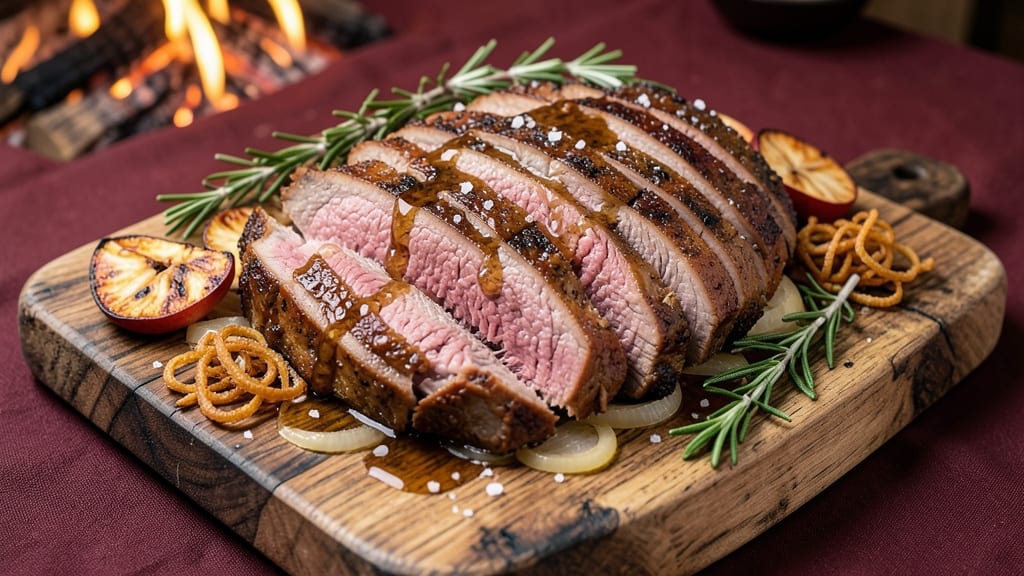
This apple cider vinegar brisket injection recipe transforms tough, fibrous meat into melt-in-your-mouth perfection through a simple yet powerful liquid infusion. The acidity breaks down connective tissue while the aromatic blend—garlic, onions, and spices—penetrates deep, creating layers of flavor that cook slowly into the meat. I developed this method after years of experimenting with brisket, and it consistently delivers results that rival professional BBQ competitions.
The magic lies in the science: apple cider vinegar tenderizes by denaturing proteins, while the spices and aromatics dissolve into the muscle fibers during the injection process.
This isn't just a marinade—it's a flavor bomb that works its way into every inch of the brisket, ensuring juicy, fall-apart texture and a depth of taste that stands up to long, slow cooking. The key is precision in measurements and technique to maximize absorption without overpowering the meat.
What you'll achieve is a brisket that's impossibly tender, with a bark that's rich and caramelized while the interior remains moist and flavorful. The injection creates a subtle tang that complements the smoky, savory notes of traditional brisket seasoning.
This method works particularly well for larger cuts, where the injection can penetrate deeply and transform even the toughest sections into succulent bites.
Perfect for smokers, ovens, or grills, this injection elevates any brisket recipe. The process takes just minutes to prepare, but the payoff—hours of rich, complex flavor—is what makes it worth every second. Let's get started on creating your most tender brisket yet.
Ingredients for brisket injection recipe apple cider vinegar
Precision-crafted liquid infusion unlocks brisket's transformative potential through acidity and aromatic science.
| Ingredient | Amount | Notes |
|---|---|---|
| Apple Cider Vinegar 🍏 | 1 cup | Raw, unfiltered preferred for depth |
| Garlic Cloves 🧄 | 8 whole | Peeled, minced for maximum flavor |
| Yellow Onion 🧅 | 1 whole | Medium, finely diced for even distribution |
| Fresh Rosemary 🌿 | ¼ cup | Finely chopped, stems removed |
| Fresh Thyme 🌿 | ¼ cup | Leaves only, chopped |
| Kosher Salt 🧂 | 1 ½ tbsp | Diamond Crystal preferred |
| Black Peppercorns 🌶️ | 1 tbsp | Freshly cracked, coarse grind |
| Granulated Garlic 🧄 | 1 tbsp | For even distribution during injection |
| Granulated Onion 🧅 | 1 tbsp | For aromatic depth |
| Brown Sugar 🍚 | ½ cup | Light or dark, packed |
The apple cider vinegar is non-negotiable—Bragg or Texas Pete brands deliver optimal acidity for protein denaturation. Raw, unfiltered vinegar contains the mother culture, adding subtle complexity. For the aromatics, fresh rosemary and thyme from the grocery store's produce section work fine, but specialty herb vendors like Williams Sonoma offer more potent varieties. The garlic and onion should be finely minced—food processor for consistency. Brown sugar here isn't just for sweetness; it caramelizes during injection, creating flavor bridges with the meat's surface proteins.
No fresh rosemary? Dried at one-third the amount suffices, though texture differs. Substitute smoked paprika for half the black pepper if you prefer a smokier profile. The granulated garlic and onion ensure even distribution during injection—no clumping. For a sweeter injection, increase brown sugar to 0.75 cup. The kosher salt should be Diamond Crystal (not Morton) for proper ionic balance. All ingredients must be combined in a non-reactive glass or stainless steel container—aluminum reacts with vinegar's acidity.
This injection remains stable for 1 week refrigerated or 3 months frozen in airtight containers. For freezing, use ice cube trays—thaw overnight in the fridge before use. The injection's potency peaks at room temperature after 30 minutes of rest. Store any unused portion in the refrigerator, shaking well before each injection cycle. The solution's clarity indicates freshness—cloudiness suggests bacterial contamination.
Why You'll Love This Recipe
- Five-Minute Mix: I swear by this—just toss the minced garlic, finely chopped onion, and fresh herbs into a jar with the apple cider vinegar, give it a shake, and it’s ready. No straining, no fussing, and honestly, the liquid’s so flavorful you’ll use it all.
- Tangy, Herby Magic: That vinegar cuts through the fat while the rosemary and thyme add an earthy depth that makes every bite sing. Between us, it’s the secret to brisket that doesn’t taste like it spent hours in a smoker.
- Tailgate or Tuesday: This injection works for backyard BBQs or a lazy weeknight—just slather it on before cooking. My husband even uses it on chicken thighs when he’s too tired for brisket. (Yes, even on a Tuesday night.)
Step-by-step instructions for brisket injection with apple cider vinegar
This injection transforms tough brisket into melt-in-your-mouth perfection through precise technique and bold flavors.
Prepare the Injection Mixture
In a clean glass jar with a tight-sealing lid, combine the 1 cup apple cider vinegar with the 0.5 cup brown sugar. Stir until the sugar fully dissolves, creating a smooth liquid base. This acidic-sweet combination jumpstarts the tenderizing process while adding depth of flavor.
Next, add the 8 whole garlic cloves (peeled and minced) and 1 whole yellow onion (finely diced). The small pieces ensure even distribution throughout the meat. Then incorporate the 0.25 cup fresh rosemary and 0.25 cup fresh thyme, both finely chopped. This herb blend infuses the injection with aromatic complexity that penetrates deeply during the cooking process.
Finally, add the 1.5 tablespoons kosher salt, 1 tablespoon granulated garlic, 1 tablespoon granulated onion, and 1 tablespoon black peppercorns (freshly cracked). Seal the jar tightly and shake vigorously for 30 seconds to fully emulsify the mixture. The combination of fresh and granulated aromatics creates a multi-layered flavor profile that enhances both the exterior bark and interior tenderness of the brisket.
Inject the Brisket Precisely
Using a meat injector with a ¼-inch needle, begin injecting the mixture into the brisket at a 45-degree angle, working from the outer edges toward the center. Inject ¼-inch to ½-inch deep at each insertion point, spacing the injections about 1 inch apart throughout the entire surface. This method ensures even distribution without rupturing the meat fibers.
For a 4-5 pound brisket, you'll need approximately 1½ to 2 cups of the injection mixture. The acidic vinegar begins breaking down collagen immediately, while the sugar and aromatics create a flavor bridge that carries through the long cook. Work methodically to avoid over-injecting any single area, which could create uneven texture.
After injecting, let the brisket rest uncovered in the refrigerator for at least 4 hours (overnight is ideal). This resting period allows the injection to fully penetrate the meat and begin tenderizing. The surface will appear slightly glistening, indicating proper absorption of the liquid components.
Apply the Injection During Cooking
After the initial rest, apply the remaining injection mixture to the surface of the brisket, using a basting brush to coat all sides evenly. This creates a flavorful crust that complements the interior tenderness. Place the brisket in your smoker or oven at 225°F, fat-side up, and cook until the internal temperature reaches 165°F (about 6-8 hours).
During the cook, I recommend applying an additional ¼ cup of the injection mixture every 2 hours through a basting brush. This maintains moisture and flavor while preventing the surface from drying out. The apple cider vinegar's acidity continues working its magic, breaking down connective tissue for that coveted fall-apart texture.
When the brisket reaches 203°F internally and a probe slides in like butter, it's ready. Wrap in butcher paper and return to the heat until the final temperature hits 205-208°F. This final stage ensures complete collagen breakdown while preserving the moisture infused by the injection.
Rest and Serve for Maximum Tenderness
Remove the brisket from heat and let it rest in the butcher paper for at least 1 hour (2 hours is better). This resting period allows the juices to redistribute throughout the meat, ensuring each slice is moist and flavorful. The injection's work continues even after cooking, as residual enzymes and moisture penetration complete the tenderizing process.
Slice against the grain into ¼-inch thick portions and serve immediately. The result should be meat that practically melts in your mouth, with a perfect balance of sweet, tangy, and herby flavors throughout. The exterior bark will be dark and crusty, while the interior remains succulent and infused with the complex aromatics from the injection.
Pro Tips For Making Brisket Injection Recipe Apple Cider Vinegar
- STRAIN THE VINEGAR: I learned this the hard way—raw apple cider vinegar has sediment that clogs your injection needle like a bad clogged shower drain. Strain it through a fine-mesh sieve or cheesecloth into a clean jar before mixing. Yes, it takes 30 seconds, but you’ll save hours of needle cleaning (and frustration).
- MINCE GARLIC FINE: Don’t just chop those garlic cloves into rough chunks—this isn’t a marinade, it’s an injection. Use a microplane or the finest knife grind to turn them into a paste. The goal is tiny, even particles that dissolve into the meat, not just settle on top. Trust me, your brisket will taste it.
- CHILL THE MIX BEFORE INJECTING: Warm or room-temperature liquid injection sounds like a good idea, but it’s not. Cold liquid (even slightly chilled) penetrates deeper and won’t cook the meat from the inside out. Pop your injection mix in the fridge for 15 minutes before using—your brisket will thank you with even distribution.
- USE A SYRINGE, NOT A NEEDLE: I know, I know—it’s tempting to grab that big ol’ needle from your sewing kit. But brisket injection needs volume, and a syringe (especially a 30-60ml one) lets you control the flow without piercing the meat like a pin cushion. Plus, you’ll hit those deep pockets where flavor hides. (Pro move: tape the syringe to a ruler for even spacing.)
Pro cooking tips for perfect results
Needle Depth Matters
Injecting at the right depth ensures even flavor distribution without tearing the meat fibers. Use a ¼-inch needle and penetrate ¼-inch to ½-inch deep—any deeper risks rupturing the muscle structure.
I space injections about 1 inch apart to prevent overlapping, which can create soggy spots. For thicker briskets, focus on the outer edges first, then work inward to maximize penetration. 🔥
Timing the Injection
Apply the injection 4-6 hours before cooking to allow the acidity to begin tenderizing. I recommend injecting the brisket the night before and letting it rest uncovered in the fridge—this gives the vinegar time to work its magic while the aromatics infuse deeply.
The meat will feel slightly slick to the touch, indicating proper absorption. Never skip this resting period, as it's critical for even flavor distribution.
Basting During Cook
During the cook, baste the brisket with the remaining injection mixture every 2 hours using a silicone brush. This maintains moisture and creates a flavorful crust. I use about ¼ cup per application, focusing on the edges and any exposed fat.
The sugar in the injection caramelizes beautifully during this process, adding depth to the bark. Avoid over-basting, which can create steam and slow down the cooking process.
Temperature Control
Maintain a consistent 225°F temperature throughout the cook to allow the injection's enzymes to work effectively. The apple cider vinegar's acidity helps break down collagen, but this process slows significantly if the temperature fluctuates.
I use a dual-probe thermometer to monitor both the smoker temperature and the brisket's internal temperature. Once the brisket hits 203°F, wrap it in butcher paper to speed up the final stages.
Resting for Perfection
After cooking, let the brisket rest for at least 1 hour (preferably 2 hours) before slicing. This allows the juices to redistribute, ensuring every bite is moist and flavorful. The injection's work continues during this time, as residual enzymes and moisture penetration complete the tenderizing process.
I always slice against the grain for maximum tenderness—this is where the injection's magic truly shines. ✨
Equipment Essentials
You'll need a meat injector with a ¼-inch needle (I recommend the Morton Meat Injector for precision) and a basting brush for surface applications. A dual-probe thermometer is non-negotiable for accurate temperature monitoring.
For storage, use airtight glass jars to preserve the injection's potency—aluminum reacts with the vinegar's acidity. Keep unused portions refrigerated and shake well before each use to maintain even distribution.
Nutrition facts
Frequently asked questions
How much injection mixture should I use for a 10-pound brisket?
For a 10-pound brisket, prepare 3-4 cups of the injection mixture. This accounts for both the initial injection and basting applications during cooking. The extra volume ensures full coverage and prevents the meat from drying out during the long cook. Divide it evenly between the injection process and basting every 2 hours.
Can I substitute white vinegar for apple cider vinegar?
While white vinegar works in a pinch, apple cider vinegar is preferred for its complexity and depth of flavor. The mother culture in raw apple cider vinegar adds subtle fruity notes and a richer mouthfeel. White vinegar lacks these qualities, resulting in a sharper, less nuanced flavor profile. If substituting, reduce the amount by 20% to avoid over-acidifying the meat.
What if I don't have a meat injector?
You can create small holes with a sharp knife or skewer and use a basting syringe or even a clean turkey baster. For best results, make holes ¼-inch deep and inject slowly to avoid tearing the meat fibers. While not as precise, this method still delivers flavor and moisture deep into the brisket. Just work methodically to ensure even distribution.
How long can I store leftover injection mixture?
The injection mixture stays fresh for 1 week refrigerated or 3 months frozen in airtight glass containers. For freezing, portion into ice cube trays for easy thawing. Always shake well before use to redistribute settled ingredients. If the mixture develops an off smell or cloudiness, discard it—vinegar-based solutions spoil faster than you'd expect.
Does this injection work for other meats besides brisket?
This injection excels with tough, fibrous cuts like pork shoulder, beef chuck roast, or even venison. The apple cider vinegar's tenderizing properties work wonders on any meat that benefits from slow cooking. For poultry, use half the amount of vinegar to avoid over-acidifying. The herb and sugar blend also pairs beautifully with lamb shanks or duck breasts.