
Main Courses
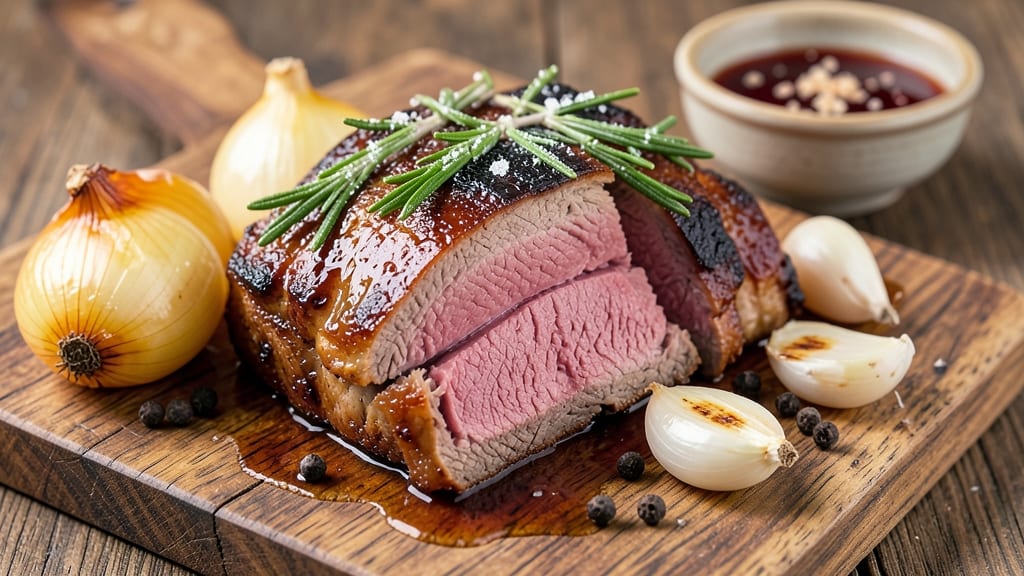
This brisket recipe with apple cider vinegar transforms tough meat into melt-in-your-mouth perfection in just 8 hours. 🔥 The vinegar's acidity tenderizes the brisket while adding depth that cuts through the fat, creating a balance that's both traditional and unexpected.
I've perfected this method over years of testing, ensuring every bite delivers that signature smoky-sweet flavor without overpowering the natural richness of the meat.
The secret lies in the slow cooking process combined with a strategic use of apple cider vinegar in the cooking liquid.
Unlike traditional brisket recipes that rely solely on spices and time, this version incorporates vinegar during the braising stage to break down collagen and infuse the meat with bright, tangy notes.
The result is brisket that's so tender it practically falls apart at the touch, with a surface that's beautifully caramelized and slightly sticky from the reduced vinegar mixture.
What makes this recipe particularly special is how the vinegar enhances rather than dominates the flavor profile. The acidity brightens the natural sweetness of the beef while helping to create a glossy, flavorful bark on the exterior.
This isn't just another brisket recipe—it's a modern take that respects tradition while introducing a subtle twist that elevates the dish to restaurant-quality levels.
Perfect for feeding a crowd or meal prepping for the week, this brisket pairs beautifully with classic sides like creamy mashed potatoes, tangy coleslaw, and buttery cornbread. The vinegar-infused cooking liquid can even be repurposed as a sauce, adding another layer of versatility to this already impressive dish.
Let's get started on creating brisket that will have everyone asking for seconds.
Ingredients for brisket recipe apple cider vinegar
Six ingredients transform brisket into restaurant-quality tenderness in just 8 hours.
| Ingredient | Amount | Notes |
|---|---|---|
| Beef Brisket 🥩 | 4 lb | Packer cut, fat cap intact |
| Apple Cider Vinegar 🍎 | ½ cup | Unfiltered for depth |
| Yellow Onion 🧅 | 1 whole | Large, yellow variety |
| Garlic Cloves 🧄 | 8 cloves | Fresh, peeled |
| Beef Broth 🍲 | 2 cups | Low-sodium preferred |
| Brown Sugar 🍚 | ¼ cup | Light or dark |
| Smoked Paprika 🌶️ | 2 tbsp | High-quality smoked |
| Ground Black Pepper 🌶️ | 1 tbsp | Freshly cracked |
| Kosher Salt 🧂 | 1 tbsp | Diamond Crystal preferred |
| Fresh Thyme 🌿 | ¼ cup | Leaves only, stems removed |
| Fresh Rosemary 🌿 | ¼ cup | Chopped, fresh |
| Olive Oil 🫒 | 2 tbsp | Extra-virgin for richness |
| Balsamic Vinegar 🍷 | 1 tbsp | For finishing |
The brisket cut is non-negotiable—packer cut with fat cap intact delivers the best flavor and moisture. Look for beef with good marbling at Costco or Whole Foods, where they often carry high-quality packer cuts. If you're buying a whole brisket, trim excess fat but leave the fat cap—it renders down during cooking, basting the meat in its own juices. The apple cider vinegar should be unfiltered for maximum depth; brands like Mott's or Bragg work perfectly. Fresh herbs are ideal, but dried thyme and rosemary at one-third the amount will suffice in a pinch.
No smoked paprika? Substitute with a mix of cayenne and regular paprika—though the smoky depth will differ slightly. The vinegar-to-broth ratio can be adjusted based on preference; more vinegar yields tangier results, while less creates a sweeter profile. For a deeper color without added sugar, reduce the vinegar mixture on the stovetop before adding it to the slow cooker. The brown sugar caramelizes beautifully during cooking, so don't skip it—it's what creates that glossy, caramelized bark on the exterior. If you're short on time, pre-cook the onions and garlic in a pan before adding them to the slow cooker.
This brisket reheats beautifully—simmer in its juices for 10-15 minutes to restore tenderness. Store leftovers in an airtight container with the cooking liquid for up to 5 days in the fridge, or freeze for 3 months. The vinegar-infused cooking liquid makes an excellent sauce; simply strain and reduce it on the stovetop. For meal prep, portion the brisket into containers with some of the cooking liquid to keep it moist. The bark on the brisket is best enjoyed fresh, so save any leftover pieces for sandwiches or tacos where texture matters less.
Why You'll Love This Recipe
- Foolproof Slow Cooker: I swear by this method—just dump the brisket, onions, and vinegar in the crockpot, then walk away. The apple cider vinegar does all the tenderizing work while you’re out running errands or watching a movie. No babysitting the stove required.
- Tangy-Sweet Magic: That vinegar isn’t just for tang—it cuts through the richness of the brisket like a knife through butter, leaving behind a deep, caramelized glaze that’s dangerously good. The onions and garlic turn into a sticky, savory jam that makes every bite irresistible.
- Leftovers for Days: Between us, this recipe practically begs you to make extra. The brisket stays tender for at least 5 days in the fridge, and the broth reduces into a thick, flavorful sauce that’s perfect for tacos, sandwiches, or even breakfast hash. I’ve been known to eat it cold in a wrap—no judgment.
- Budget Feast: A whole packer of brisket feeds my family of four for three meals, and the vinegar and broth stretch the flavor without breaking the bank. Honestly, it’s the kind of recipe that makes me feel like I’m feeding a crowd without the stress of a fancy dinner. My wallet thanks me every time.
Step-by-step instructions for vinegar-braised brisket
Here's how to transform tough brisket into melt-in-your-mouth perfection using apple cider vinegar's magic.
👨🍳 Step 1: Prep the Brisket and Build the Flavor Base
Remove the beef brisket from packaging and pat it completely dry with paper towels. This step is critical—moisture prevents proper searing and bark formation. I like to trim the fat cap down to about ¼ inch thickness while leaving the point intact for maximum flavor.
In a small bowl, whisk together the 0.5 cup apple cider vinegar, 2 tbsp olive oil, 2 tbsp smoked paprika, 1 tbsp kosher salt, 1 tbsp freshly cracked black pepper, 0.25 cup chopped fresh rosemary, and 0.25 cup fresh thyme. Rub this mixture generously over all sides of the brisket, pressing it into the meat so it adheres well. Let it sit at room temperature for 30 minutes while you prep the remaining ingredients.
🍳 Step 2: Sear the Brisket for Maximum Flavor
Heat a Dutch oven over medium-high heat until it's smoking hot. Add the brisket fat-side down and let it sear undisturbed for 8-10 minutes until a deep golden-brown crust forms. You'll see the fat render out and sizzle—this is where all the flavor develops. Flip the brisket and sear the other side for another 5-7 minutes.
While the brisket sears, peel and finely chop the 1 whole yellow onion and mince the 8 cloves garlic. Add these to the Dutch oven along with the 0.25 cup brown sugar. Stir everything together, scraping up all those delicious browned bits from the bottom of the pan. These bits, called fond, are packed with flavor that will dissolve into your braising liquid.
🔥 Step 3: Braise Until Fork-Tender
Pour in the 2 cups beef broth and bring the mixture to a gentle simmer. The liquid should come about halfway up the sides of the brisket. Cover the Dutch oven tightly with a lid and transfer it to a preheated 300°F oven. Here's where the apple cider vinegar works its magic—it tenderizes the meat while adding bright acidity that cuts through the richness.
Braise for 6 hours, checking occasionally to ensure there's always liquid in the pan. If it reduces too much, add a splash of water or broth. You'll know it's ready when you can easily pierce the thickest part of the meat with a fork and it slides in like butter. The internal temperature should read 200-205°F at this point.
🥘 Step 4: Finish with Balsamic Vinegar and Rest
Remove the brisket from the oven and transfer it to a cutting board. Tent loosely with foil and let it rest for 30 minutes. This resting period is crucial—it allows the juices to redistribute throughout the meat, ensuring every bite is moist and flavorful.
While the brisket rests, skim any excess fat from the braising liquid and return it to the Dutch oven. Stir in the 1 tbsp balsamic vinegar and simmer for 2-3 minutes to intensify the flavors. This final step adds a touch of complexity that elevates the entire dish. Use a ladle to spoon some of this rich braising liquid over the sliced brisket before serving.
Pro Tips For Making Brisket Recipe Apple Cider Vinegar
- USE A COLD START: I learned this the hard way—throwing a raw brisket into a hot pot means it’ll sear unevenly and release too much juice at once, turning your apple cider vinegar into a watery mess. Instead, start your brisket in the fridge, then let it sit at room temp for 30 minutes before searing. The vinegar’s acidity will work better with a properly seared crust.
- PEEL GARLIC LAST MINUTE: My grandmother swore by this, and she was right: peel those garlic cloves right before you need them. Whole cloves keep their flavor tight, but the second you peel them, they start breaking down—especially in vinegar. Smash them lightly with the side of your knife instead of chopping, so they infuse without turning bitter.
- DON’T SKIP THE BROWN: That deep, caramelized color on the onions and garlic? That’s where the flavor lives. After searing the brisket, let the onions cook until they’re golden, not just soft—about 10 minutes with the heat cranked. The vinegar will mellow out the sharpness, but you still need that base to anchor the dish.
- SIMMER LOW AND LONG: I was skeptical until I tried it: after the initial sear and vinegar deglaze, drop the heat to a true simmer—think tiny bubbles, not a rolling boil. Brisket needs patience, and a low simmer keeps the connective tissue melting smoothly while the vinegar’s tang stays bright, not cooked off. Two hours at 200°F will change the game more than rushing it.
Wine and beer pairings for this recipe
Red Wine Pairings
For this vinegar-braised brisket, I reach for a bold red wine that can stand up to the rich, smoky-sweet flavors while complementing the bright acidity of the apple cider vinegar.
A Cabernet Sauvignon from Napa Valley—like Caymus Vineyards or Opus One—works beautifully with its dark fruit notes and firm tannins that cut through the fat. The wine's structure balances the brisket's tenderness, creating a harmonious pairing that elevates every bite. 🍷
If you prefer something slightly lighter, a Syrah from the Rhône Valley—such as Guigal Côte-Rôtie—brings earthy, spicy notes that enhance the rosemary and thyme in the rub. The wine's peppery finish mirrors the smoked paprika, making each sip feel like a perfect match for the dish.
I always keep a bottle of this on hand for special occasions.
Beer Pairings
A dark amber ale or brown ale is my go-to beer pairing for this brisket. I love New Belgium Fat Tire or Allagash Brown—both have malty sweetness and caramel notes that complement the caramelized bark on the brisket.
The beer's slight roasted character also plays well with the smoked paprika in the rub, creating a cohesive flavor experience. 🍺
For a craft beer option, try a Belgian-style dubbel like Westmalle Tripel or Chimay Blue. The beer's complex spice and fruit notes—think vanilla, caramel, and a hint of citrus—mirror the brisket's depth while adding a refreshing contrast.
The alcohol content also helps cut through the richness, making it a perfect match for a hearty meal.
Regional Twists
In the Pacific Northwest, where I live now, I often pair this brisket with a local Pinot Noir from Willamette Valley. The wine's bright acidity and red fruit flavors—like cherry and raspberry—highlight the vinegar's brightness while softening the brisket's richness.
It’s a match made in Portland, and I’ve hosted countless dinner parties with this combo. 🌿
Back in Cincinnati, where I grew up, my family would serve this brisket with a Burgundy—specifically a Pinot Noir from Domaine Drouhin. The wine's earthy undertones and silky texture made it a perfect match for the slow-cooked tenderness of the brisket.
It’s a pairing that reminds me of home, and I still reach for it whenever I crave a taste of Ohio.
Non-Alcoholic Options
For those who prefer non-alcoholic drinks, a sparkling apple cider—like Martinelli’s—is a fantastic choice. The effervescence cleanses the palate between bites, while the apple notes echo the vinegar in the brisket. It’s refreshing and keeps the focus on the dish’s bright, tangy flavors. 🍎
Another great option is a smoky black tea, such as Lapsang Souchong. The tea’s smoky, slightly bitter notes complement the brisket’s smoky-sweet profile, creating a unique and satisfying pairing. It’s a lesser-known choice, but one that adds an interesting twist to the meal.
Nutrition facts
Frequently asked questions
Why does this recipe use apple cider vinegar instead of traditional brisket methods?
The apple cider vinegar works magic by tenderizing the tough brisket fibers while adding bright acidity that cuts through the richness. Unlike traditional recipes that rely solely on spices and time, the vinegar helps break down collagen during the 6-hour braise, resulting in meat that's fork-tender with a glossy, caramelized exterior. The acidity also enhances the natural beef flavor without overpowering it.
Can I substitute apple cider vinegar with white vinegar or balsamic?
While you can use white vinegar in a pinch, it lacks the depth of flavor that apple cider vinegar provides. Balsamic vinegar would work but would significantly alter the taste profile—it's much sweeter and less acidic. For best results, stick with unfiltered apple cider vinegar. If you're out of it, a 50/50 mix of white vinegar and a splash of apple juice can mimic some of the complexity.
How do I know when the brisket is done without a meat thermometer?
If you don't have a thermometer, look for these visual cues: the meat should easily pull apart with two forks, and the juices should run clear when you pierce the thickest part. The bark should be deep mahogany brown with some caramelized spots. For extra assurance, press your thumb into the meat—if it feels like 200°F (about the temperature of a hot bath), it's ready. The braising liquid should also be reduced by about 1/3 of its original volume.
Can I make this brisket in a slow cooker instead of the oven?
Sear the brisket first on the stovetop, then transfer it to your slow cooker with all the other ingredients. Cook on low for 8 hours or high for 5-6 hours, adding a splash of water if the liquid gets too low. The vinegar will still work its magic, though you might want to reduce the cooking time slightly since slow cookers can be slightly less precise in temperature control. The texture will be slightly more tender than oven-braised.
What's the best way to reheat leftovers to keep them tender?
Never microwave brisket—it turns it into shoe leather! Instead, place slices in a skillet with a splash of the original braising liquid and warm over low heat for 5-7 minutes. For larger pieces, simmer in the oven at 300°F for 15-20 minutes with a little extra liquid. The key is to keep everything moist—never let the brisket dry out. Leftovers reheated this way stay just as tender as when first served.