
Sauces & Condiments
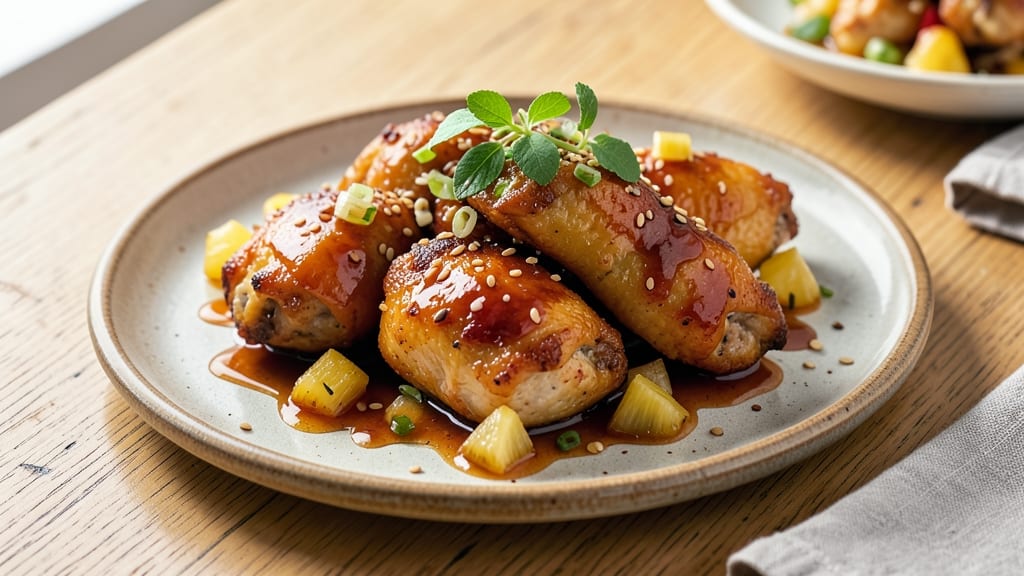
This Chinese pineapple chicken sauce delivers a perfect balance of sweet, tangy, and savory flavors that transform ordinary dishes into restaurant-quality meals. The honey-soy reduction creates a glossy, umami-rich glaze that clings beautifully to chicken, stir-fries, or even grilled meats.
What makes this sauce special is its versatility—it works as a dipping sauce, stir-fry glaze, or marinade, all while keeping prep simple with just 10 minutes of active time.
The foundation of this sauce lies in its harmony of ingredients: soy sauce provides that essential umami depth, while pineapple juice adds natural sweetness and acidity. Fresh garlic and ginger infuse layers of aromatic warmth, and a touch of cornstarch creates the perfect thickness without overpowering the flavors.
Unlike store-bought versions, this recipe delivers a bright, vibrant taste that stays true to its Chinese-inspired roots.
Once you taste this sauce, you'll understand why it's become a staple in many home kitchens. The glossy finish and rich flavor profile elevate simple proteins into something extraordinary.
Whether you're glazing chicken thighs, drizzling over rice, or using it as a dipping sauce for spring rolls, the possibilities are endless. The sauce also stores well in the refrigerator for up to 5 days, making it perfect for meal prep.
For an extra touch of authenticity, consider adding a splash of sesame oil at the end for nutty depth. This sauce is the kind of recipe that turns weeknight dinners into special occasions—without requiring hours in the kitchen. Let's get started on creating this flavorful addition to your cooking repertoire.
Ingredients for chinese pineapple chicken sauce
Ten vibrant ingredients transform into a restaurant-quality sauce that elevates chicken dishes instantly.
| Ingredient | Amount | Notes |
|---|---|---|
| Light Soy Sauce 🍶 | ½ cup | High-quality, preferably Japanese |
| Pineapple Juice 🍍 | ½ cup | Freshly squeezed preferred |
| Honey 🍯 | ¼ cup | Wildflower or clover variety |
| Fresh Garlic Cloves 🧄 | 4 cloves | Minced finely for depth |
| Fresh Ginger Root 🌿 | 2 tbsp | Finely grated, vibrant color |
| Cornstarch 🌾 | 1 tbsp | For perfect glossy finish |
| Sesame Oil 🫒 | 1 tbsp | Toasted for nutty aroma |
| Rice Vinegar 🍶 | 1 tbsp | Adds bright tanginess |
| Water 💧 | ¼ cup | For thinning consistency |
| Salt 🧂 | ½ tsp | Diamond Crystal preferred |
The soy sauce is non-negotiable—Kikkoman or La Choy are my go-tos, but any high-quality light soy will do. Pineapple juice should be freshly squeezed for that bright, tangy punch (canned works in a pinch, but it lacks depth). Honey? Wildflower adds floral notes that complement the umami perfectly. Garlic and ginger need to be freshly minced—pre-minced jars just don't cut it. For ginger, look for a root with tight, bumpy skin and no soft spots. The cornstarch is your secret weapon for that glossy finish—don't skip it, even if you're impatient.
No pineapple juice? Mango nectar or orange juice works in a bind, but the flavor won't be identical. Fresh garlic too pungent? Roast it first—milds the sharpness while adding sweetness. Sesame oil giving you pause? Toast it in a dry pan for 30 seconds before adding to deepen the aroma. The rice vinegar adds that essential tang—substitute apple cider vinegar if needed, but reduce to 1 tsp. For a quicker version, dissolve the cornstarch in cold water first (slurry method), but whisk it into the hot sauce gradually to avoid clumping. Trust me, this sauce is worth the extra minute of prep.
This sauce keeps beautifully—5 days in the fridge sealed tightly in a jar. For longer storage, freeze in ice cube trays, then transfer to a bag. Thaw overnight in the fridge. The flavor actually improves after 24 hours as everything melds together. Double the batch—it disappears fast. Use it on grilled chicken, stir-fries, or even drizzle over rice. Pro tip: Add a splash of sesame oil at the end for that authentic restaurant finish. Leftovers? Toss in a splash of water to thin before reheating.
Why You'll Love This Recipe
- Pantry Magic: I swear by this sauce—no specialty ingredients, just what’s already lurking in my cupboard. Light soy, pineapple juice, and honey? That’s it. Honestly, the ginger and garlic I grow on my windowsill, so it’s basically free.
- Sweet-Savory Balance: The honey cuts through the sharpness of the ginger like a dream, while the pineapple juice keeps it bright and tangy. That first bite? Crispy chicken with a glossy, sticky-sweet sauce that’s ridiculously addictive—no one ever leaves a drop.
- Weeknight Wonder: Between us, this is my secret weapon for busy nights. Toss it with stir-fried chicken, rice, or even noodles in 10 minutes flat. (Yes, even on a Tuesday night when takeout feels impossible.)
- Leftovers That Shine: Make a double batch—it keeps for days in the fridge and reheats like a dream. My kids beg for it cold over rice the next day, and I’ve even used it to glaze baked chicken thighs for meal prep. Versatile? Absolutely.
Step-by-step instructions for Chinese pineapple chicken sauce
This sauce delivers perfect balance—sweet, tangy, and packed with umami depth for your chicken dishes.
Build the Flavor Base
In a medium saucepan, combine the 0.5 cup light soy sauce, 0.5 cup pineapple juice, 0.25 cup honey, 4 cloves minced fresh garlic cloves, and 2 tablespoons finely grated fresh ginger root. Bring to a gentle boil over medium-high heat, then immediately reduce to medium-low heat. Let it simmer uncovered for 8-10 minutes until the mixture reduces by about one-third and develops a rich, aromatic fragrance.
Here's the thing—you want to see the sauce thicken slightly and deepen in color to a beautiful amber. Stir occasionally to prevent sticking, especially when the garlic and ginger start releasing their oils. This initial reduction builds the sauce's foundational flavor, where the sweetness of the honey and pineapple begins to caramelize against the savory soy and aromatic spices.
Thicken the Sauce to Perfection
In a small bowl, whisk together the 1 tablespoon cornstarch with the 0.25 cup water until completely dissolved. This slurry is your secret weapon for achieving that glossy, restaurant-quality finish. Slowly pour the cornstarch mixture into the simmering sauce while whisking constantly to prevent lumps from forming.
Continue simmering for 3-5 minutes until the sauce reaches your desired consistency—it should coat the back of a spoon smoothly without being gluey. You're aiming for a balance between thick enough to cling to chicken and thin enough to drizzle elegantly. If it thickens too quickly, add 1-2 teaspoons of water to adjust the texture.
Finish with Aromatic Depth
Remove the sauce from heat and stir in the 1 tablespoon sesame oil and 1 tablespoon rice vinegar. Add the 0.5 teaspoon salt and give it one final taste adjustment. The sesame oil adds that nutty aroma that elevates the sauce, while the rice vinegar brightens the flavors with a subtle tang. This is where the sauce comes together—where all the individual components harmonize into a cohesive, complex flavor profile.
For best results, let the sauce sit at room temperature for 10-15 minutes before using. This resting period allows the flavors to meld completely and the sauce to reach its peak consistency. The longer it sits, the more balanced and delicious it becomes—trust the process!
Optional Garnish and Serving
For an extra touch of elegance, drizzle with a few drops of toasted sesame oil or garnish with thinly sliced scallions just before serving. This sauce pairs beautifully with grilled, roasted, or stir-fried chicken, and it also works wonderfully as a dipping sauce or glaze. The versatility of this sauce makes it a pantry staple that you'll reach for time and time again.
Remember, the key to this sauce is patience—don't rush the reduction or the thickening process. Each step builds on the last, creating layers of flavor that make this sauce truly special. The result should be a glossy, balanced condiment that's equally sweet, tangy, and savory with just the right amount of heat from the garlic and ginger.
Pro Tips For Making Chinese Pineapple Chicken Sauce
- Simmer Low and Slow: This sauce isn’t a race—after adding the garlic and ginger, drop the heat to a bare simmer. I used to blast it, and the pineapple juice would turn cloudy and lose its bright flavor. Let it bubble gently for 10-12 minutes, stirring occasionally, so the honey caramelizes without burning.
- Peel and Mince Ginger: Skip the pre-grated ginger from the jar—it’s waterlogged and dull. Use a spoon to scrape off the skin, then mince it into tiny, even pieces. This releases more flavor into the sauce faster, and you’ll taste the fresh, zesty kick instead of just a background note.
- Balance the Sweet Early: Add half the honey first, let the sauce cook for 5 minutes, then taste. If it’s too cloying, splash in a little extra pineapple juice or a dash of light soy sauce to cut through it. I learned this the hard way—once I ruined a batch by dumping all the honey at once and ended up with syrup instead of sauce.
- Toast the Garlic First: Sauté the minced garlic in a dry pan for 30 seconds until it’s golden and smells nutty—then add it to the sauce. This deepens the flavor without overpowering the pineapple’s tang. (Yes, even if you’re impatient like me, wait for those edges to turn just slightly brown.)
Health benefits of these flavors
Digestive Aid
Pineapple juice contains bromelain, a natural enzyme that aids digestion by breaking down proteins. When combined with ginger in this sauce, you get a powerful duo that can help reduce bloating and improve gut health after meals.
I always notice how much lighter my stomach feels when I serve this sauce with grilled chicken—it’s like a natural digestive reset. 🌿
Rich in Antioxidants
The sauce packs a nutritional punch with vitamin C from pineapple and antioxidants from garlic and ginger. These compounds help combat free radicals in your body, supporting cellular health and reducing inflammation.
The honey adds an extra layer of antioxidants, making this sauce not just delicious but also beneficial for your immune system.
Blood Sugar Balance
While honey is naturally sweet, the combination of pineapple juice and soy sauce helps moderate blood sugar spikes. The fiber in pineapple and the amino acids in soy create a balanced flavor profile that’s gentler on blood sugar than pure sugar.
This makes the sauce a smart choice for those monitoring their glucose levels or looking for naturally sweetened options.
Protein Boost
Though the sauce itself isn’t a protein powerhouse, pairing it with chicken transforms it into a high-protein meal. A single serving of grilled chicken with this sauce provides 30-40 grams of protein, essential for muscle repair and satiety.
The umami depth from soy sauce also enhances the protein’s absorption, making this a well-rounded dish for muscle recovery or post-workout meals.
Bone Health Support
The ginger in this sauce is rich in gingerol, a compound that supports bone health by reducing inflammation and improving calcium absorption. Combined with the magnesium in honey, this sauce subtly contributes to stronger bones over time.
It’s one of those small details that makes this recipe not just tasty but also nourishing.
Energy Enhancer
The natural sugars in pineapple and honey provide a quick energy boost, while the ginger and garlic add warming properties that can help with circulation. This makes the sauce a great choice for cold days or when you need a pick-me-up.
I often reach for this when I’m feeling sluggish—it’s like a flavorful energy drink without the crash. ✨
Nutrition facts
Frequently asked questions
Can I use canned pineapple juice instead of fresh?
Fresh pineapple juice gives the best flavor, but canned works in a pinch! Just use 100% pineapple juice (no syrup added) and reduce the honey slightly to 2 tablespoons since canned juice tends to be sweeter. For deeper flavor, add 1 teaspoon of lemon juice to mimic fresh acidity.
How do I adjust the sweetness if I prefer less sugar?
Reduce the honey to 2 tablespoons and add 1 extra tablespoon of rice vinegar to balance the flavors. For a natural sweetener option, try 1 tablespoon of maple syrup instead of half the honey. Taste as you go—this sauce is very forgiving!
What's the best way to use this sauce with chicken?
This sauce works perfectly as a marinade (15-30 minutes before cooking) or glaze (brush on during the last 5-7 minutes of grilling/roasting). For extra flavor, let the chicken marinate in 2 tablespoons of sauce mixed with 1 tablespoon oil for 1 hour before cooking.
Can I make this sauce without cornstarch?
Yes! For a gluten-free option, use 1 tablespoon arrowroot powder instead. If avoiding thickeners entirely, reduce the sauce longer (up to 15 minutes) and add water gradually to reach your desired consistency. The texture will be slightly thinner but still delicious.
How do I store leftovers?
Transfer to an airtight container and refrigerate for up to 5 days. For longer storage, freeze in ice cube trays, then transfer to a bag. Thaw overnight in the fridge. The sauce actually tastes better after 24 hours as flavors meld! Reheat gently in a saucepan over low heat with 1 tablespoon water to restore glossiness.