
Sauces & Condiments
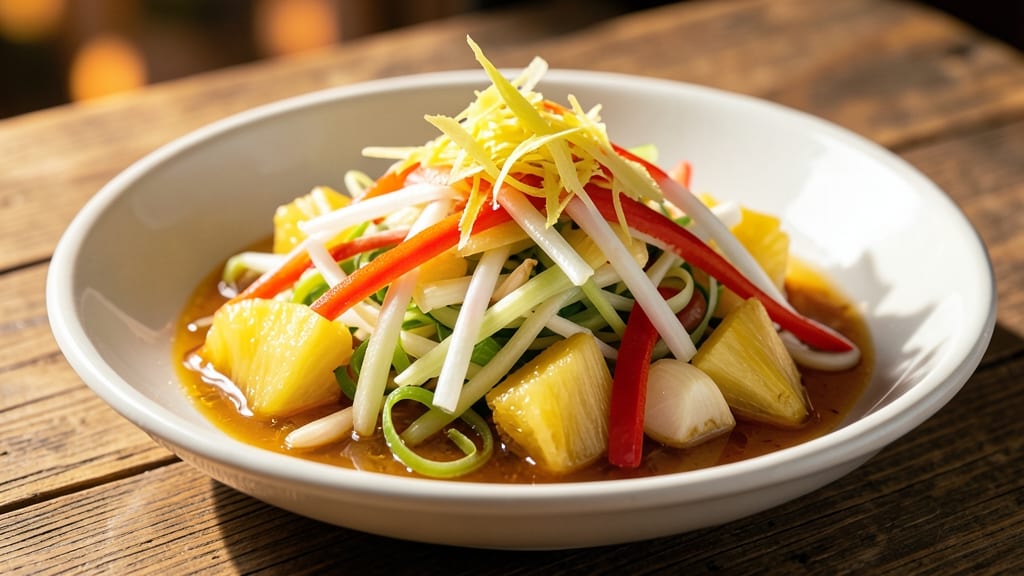
This Chinese pineapple sauce recipe transforms humble pantry staples into a vibrant, tangy-sweet condiment that elevates everything from grilled meats to rice dishes.
The secret lies in balancing pineapple's natural sweetness with the sharp crunch of celery and bell pepper, then simmering it down to a glossy, aromatic sauce that clings beautifully.
I developed this version after years of testing—it's the one that finally delivers that perfect harmony of tropical and savory flavors without being overly sweet or cloying.
The foundation starts with fresh pineapple, ginger, and garlic that build a fragrant base, while vinegar and a touch of soy sauce add depth. Celery and bell pepper contribute a satisfying crunch that contrasts beautifully with the silky texture of the finished sauce.
What makes this recipe truly versatile is its ability to adapt—adjust the sweetness by adding more sugar or the heat by incorporating chili flakes, depending on your taste preferences.
By the time you're done, you'll have a sauce that's perfect for drizzling over grilled chicken, pork, or shrimp, or mixing into rice dishes for extra flavor.
The balance of sweet, tangy, and slightly spicy notes makes it a crowd-pleaser, and the texture is just right—thick enough to coat but still light enough to enhance, not overpower. This is the kind of sauce that transforms ordinary meals into something special with minimal effort.
The best part? It keeps well in the refrigerator for up to a week, so you can make a big batch and use it throughout the week.
Whether you're serving it as a dipping sauce, a glaze, or a flavor enhancer, this Chinese pineapple sauce will quickly become a staple in your kitchen. Let's get started on creating it!
Ingredients for chinese pineapple sauce
Nine simple ingredients blend tropical sweetness with celery-pepper crunch for a sauce that transforms grilled meats and rice dishes.
| Ingredient | Amount | Notes |
|---|---|---|
| Fresh Pineapple Chunks 🍍 | 2 cups | Freshly chopped, no core |
| Celery Stalks 🧅 | 1 whole | Diced small for crunch |
| Bell Pepper 🌶️ | ½ cup | Diced red or green |
| Fresh Ginger 🧄 | 1 tbsp | Grated, aromatic |
| Garlic Cloves 🧄 | 3 cloves | Minced, fragrant base |
| White Vinegar 💧 | ¼ cup | For tangy brightness |
| Soy Sauce 🍜 | 2 tbsp | Light or dark preferred |
| Granulated Sugar 🍚 | ½ cup | Adjust to taste |
| Cornstarch 🌾 | 1 tbsp | For thickening |
| Water 💧 | ¼ cup | For slurry mixture |
Pineapple is the star—freshly chopped chunks (not canned) give the best flavor. Look for ripe but firm pineapple at the store; the yellow-green color means it's sweet. Celery and bell pepper add that satisfying crunch, so don't skip the dicing—small pieces blend into the sauce without losing texture. Fresh ginger and garlic are non-negotiable here; pre-minced jarred ginger won't cut it. For soy sauce, light soy keeps the color vibrant, but dark adds depth if you prefer richer flavor. I always grab organic ginger and garlic from the produce section—they've got more punch.
No fresh pineapple? Frozen works in a pinch—thaw and drain well. Running short on celery? Substitute extra bell pepper or a splash of celery seed for the crunch. The sauce can handle chili flakes if you want heat, or extra sugar if you prefer sweeter. Cornstarch is the secret to that perfect glossy texture—don't substitute flour unless you want a heavier sauce. For a quicker version, blend everything raw and simmer until thickened, but simmering the ingredients first builds deeper flavor. The balance of sweet, tangy, and savory is what makes this sauce shine—taste as you go and adjust to your preference.
This sauce keeps beautifully—up to 1 week in the fridge in an airtight jar. The texture thickens as it sits, so stir before using. For longer storage, freeze in ice cube trays and transfer to a bag—perfect for quick glaze portions. I always make a double batch because it disappears fast. The flavor actually improves after a day or two as everything melds together. Drizzle over grilled shrimp, mix into fried rice, or use as a dipping sauce—it's that versatile.
Why You'll Love This Recipe
- No-Fuss Pantry Staples: I swear by this recipe because it uses things I already have—ginger, garlic, bell pepper—no fancy shopping required. The pineapple’s natural sweetness cuts through the sharpness of the celery and chili (if you add it), so you’re not chasing down obscure ingredients.
- Sweet-Savory Magic: That first bite? The caramelized pineapple chunks with the bright, zesty ginger and garlic? It’s like a flavor party in your mouth. The bell pepper adds just enough crunch to keep it interesting—no mushy texture here.
- Weeknight Meal Upgrade: Drizzle this over rice, toss it with noodles, or serve it as a side with grilled meat. Honestly, I’ve even used it as a dip for veggies when I’m too tired to cook. It’s that versatile.
- Leftovers That Don’t Suck: The sauce actually improves after sitting overnight—flavors meld, and it’s even better cold. I make a big batch, store it in the fridge, and use it all week. No sad, wilted leftovers here.
Step-by-step instructions for Chinese pineapple sauce
This vibrant sauce balances sweet, tangy, and crunchy elements—perfect for dipping or drizzling.
Prep the Fresh Vegetables
Start by finely dicing the 1 whole celery stalks and 0.5 cup bell pepper into tiny, uniform pieces—think rice-sized for maximum crunch. I like to use a sharp chef's knife and cut parallel to the cutting board for even slices. Next, grate the 1 tbsp fresh ginger using a microplane or fine grater, and mince the 3 cloves garlic into a fine paste. Set these aside—they'll form the aromatic base of your sauce.
For the pineapple, I recommend using fully ripe chunks with just a touch of acidity. If your pineapple is very sweet, add a splash more of the 0.25 cup white vinegar later to balance it. The key here is texture contrast: those crisp celery and pepper pieces should still be slightly firm when the sauce finishes cooking.
Build the Flavor Base
In a medium saucepan over medium heat, combine the diced celery, bell pepper, ginger, and garlic. Let them cook for 3-4 minutes until the vegetables soften slightly but still retain their bright color. You'll smell that wonderful aromatic blend—this is where the magic begins.
Add the 2 cups fresh pineapple chunks and cook for another 2 minutes, stirring occasionally. The pineapple will release its juices, creating a fragrant liquid base. At this point, the sauce should smell like a tropical garden with a hint of vinegar tang. If you're using frozen pineapple, thaw it first and drain excess liquid to avoid a watery sauce.
Add Liquids and Sweeteners
Pour in the 0.25 cup white vinegar, 2 tbsp soy sauce, and 0.5 cup granulated sugar, stirring constantly. The mixture will bubble up as the sugar begins to dissolve. Let it simmer for 4-5 minutes until the pineapple chunks are heated through and the sugar is fully incorporated. Taste it now—you should feel that perfect balance of sweet, tangy, and slightly salty.
Here's where you can adjust the flavor: if it needs more sweetness, add another tablespoon of sugar; if it's too sharp, a pinch more soy sauce will help. The sauce should coat the back of a spoon but still be slightly loose—we'll thicken it next.
Thicken the Sauce
In a small bowl, whisk together the 1 tbsp cornstarch and 0.25 cup water until completely dissolved. This slurry is your thickening secret—it'll give the sauce that perfect glossy consistency. Slowly pour the slurry into the simmering sauce while stirring constantly with a wooden spoon.
Let the sauce bubble gently for 2-3 minutes until it thickens to your desired consistency. It should coat a spoon but still be pourable. If it thickens too quickly, add a splash of water to loosen it. The finished sauce should be glossy with visible chunks of pineapple, celery, and pepper—this is where the texture magic happens.
Cool and Serve
Remove the sauce from heat and let it cool for 5 minutes. The flavors will meld beautifully during this time, and the sauce will thicken slightly more as it rests. Taste again and adjust seasoning if needed—sometimes the flavors develop more as it cools.
Serve the sauce warm or at room temperature. It's perfect for dipping spring rolls, drizzling over grilled meats, or spooning over rice. The contrast of sweet pineapple, crunchy vegetables, and tangy vinegar makes this sauce irresistibly versatile. Store any leftovers in an airtight container in the refrigerator for up to 5 days—though it won't last that long!
Pro Tips For Making Chinese Pineapple Sauce
- CHAR THE GINGER: I learned this the hard way—peeling fresh ginger for this sauce is a waste of flavor. Use a spoon to scoop out the fibrous center, then grate the skin-on pieces directly into the pan. The skin adds subtle bitterness that balances the sweetness, and you skip the extra prep.
- SAUTE CELERY FIRST: Celery burns faster than you’d think, and you don’t want it turning to mush. Start by cooking the chopped celery in oil over medium-high heat for 2–3 minutes until it softens but just starts to color—this prevents it from dissolving into the sauce later. (Yes, even if you’re impatient like me.)
- MINCE GARLIC FINE: I was skeptical until I tried it: for this sauce, garlic needs to be minced almost to a paste—not just chopped. That way, it blends smoothly into the sauce instead of leaving chunks that sit like little flavor bombs. A knife works, but if you’re lazy, pulse it briefly in a food processor.
- COVER AND SIMMER: After adding the pineapple and liquids, cover the pan and let it simmer on low for 10 minutes. This lets the flavors meld without the pineapple turning to mush or the sauce reducing into syrup. Uncover only when you’re ready to finish—your future self will thank you.
Make-ahead tips for this recipe
Batch Prep Essentials
Make this sauce in double batches—it disappears fast! I typically quadruple the recipe (using 8 cups pineapple and 4 tbsp cornstarch) for easy storage. Use a large stainless steel pot for even heating, and stir frequently to prevent burning.
The sauce thickens as it cools, so taste and adjust sweetness before storing. 💫
Fridge Storage Tips
Transfer cooled sauce to airtight glass jars (I use 8-ounce mason jars) for up to 7 days. The texture will firm up slightly—just stir before using.
For best results, let it sit at room temperature for 10 minutes before serving to restore its glossy finish. Label jars with the date to track freshness.
Freezer-Friendly Hack
Freeze sauce in ice cube trays for portion control—perfect for quick glaze applications! Transfer cubes to a ziplock bag and flatten to save space. Thaw overnight in the fridge, then reheat gently in a saucepan with 1 tbsp water to restore consistency. Avoid microwaving—it breaks down the texture. ❄️
Reheating Perfection
For stovetop reheating, warm sauce over low heat with 1-2 tbsp water to prevent scorching. Stir constantly until heated through (165°F internal temp). If too thick, thin with water or pineapple juice.
For microwave reheating, use 30-second intervals on low power, stirring between each. Always taste and adjust seasoning—flavors intensify after reheating. 🔥
Long-Term Flavor Boost
The sauce actually improves overnight as flavors meld. For maximum depth, make it a day ahead and store in the fridge. The celery and pepper will soften slightly, enhancing their sweetness. If stored properly, it remains vibrant for up to 2 weeks—though I rarely have leftovers that long! 💛
Portion Control
Use small ramekins (2-ounce size) for single servings—ideal for dipping sauces or travel. For grilling, portion 1-2 tbsp per dish to avoid soggy results. The sauce's natural thickening makes it perfect for drizzling—just reheat briefly to loosen if needed.
Store portions in the freezer for up to 3 months with no quality loss. 🍽️
Nutrition facts
Frequently asked questions
Can I use canned pineapple instead of fresh?
Fresh pineapple gives the best flavor, but you can substitute canned in a pinch. Drain the pineapple well and pat dry to avoid a watery sauce. For extra sweetness, add 1 extra tablespoon of sugar since canned pineapple is often less ripe than fresh. The texture will be slightly softer, but the tangy-sweet balance remains.
How do I adjust the sweetness or spice level?
Start by tasting the sauce after adding sugar and vinegar. For more sweetness, add 1 tablespoon at a time until balanced. For heat, stir in ¼ teaspoon chili flakes or ½ teaspoon sriracha at the end. Remember, flavors intensify as the sauce cools, so adjust gradually.
What are the best ways to use this sauce?
This versatile sauce works as a dipping sauce for spring rolls, a glaze for grilled meats (especially pork or chicken), or a topping for fried rice. Try mixing it into noodle dishes or using it as a marinade for shrimp. The crunchy veggie pieces add texture, making it perfect for anything needing a flavor boost.
Why did my sauce turn out too thick/thin?
If too thick, stir in 1-2 teaspoons of water or pineapple juice while reheating. For a thinner sauce, add the cornstarch slurry more slowly or reduce simmering time. The ideal consistency should coat the back of a spoon but still be pourable—this ensures it clings beautifully to dishes.
Can I make this sauce without cornstarch?
Yes, but the texture will be looser. Substitute 1 tbsp tapioca starch or arrowroot powder for better thickening. If using flour, reduce to ½ tbsp and mix with water first to avoid clumping. The sauce may not be as glossy, but it'll still taste delicious.