
Sauces & Condiments
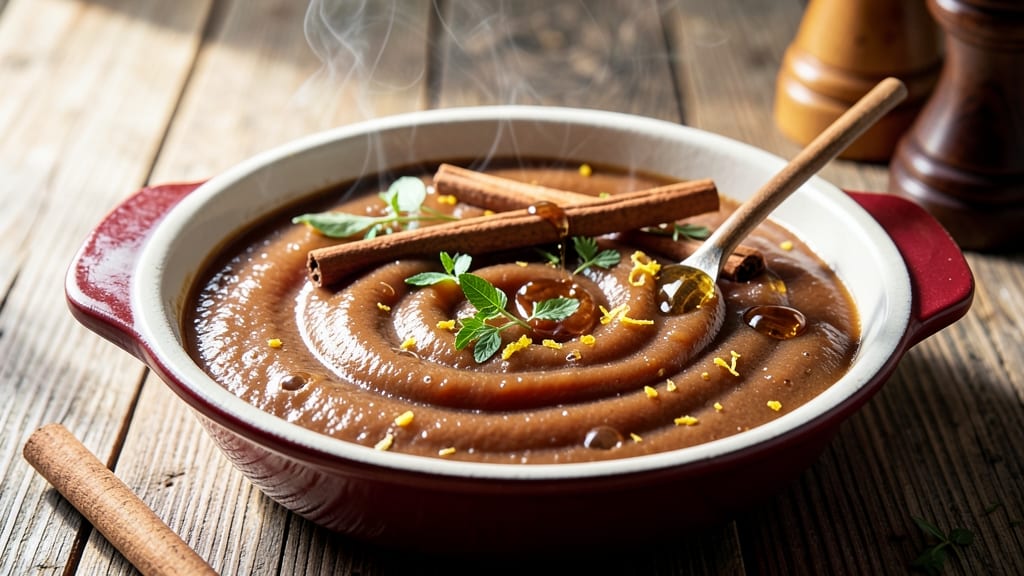
This classic apple sauce recipe transforms ordinary apples into a smooth, spiced simmer that brings warmth to any table. 🍏 The secret lies in balancing sweetness with cinnamon and a touch of lemon—simple ingredients that create comfort in every spoonful.
Perfect for pairing with meats, baking, or enjoying straight from the jar.
What makes this sauce truly timeless is its versatility. You can control the texture—chunky for rustic appeal or silky smooth for elegant dishes—by adjusting the cooking time. The spices infuse deeply as the apples break down, creating a fragrant, naturally sweet sauce that tastes like autumn in a jar.
Ready in about 30 minutes, this recipe delivers restaurant-quality results with minimal effort. The apples caramelize slightly, adding depth while keeping the sauce from becoming overly sweet. Store it for weeks in the fridge, or freeze for months of homemade convenience.
Whether you're serving it alongside roasted pork, spreading it on toast, or using it in pies, this apple sauce delivers that cozy, homemade touch. The process is straightforward, but the flavor is anything but ordinary—rich, aromatic, and endlessly adaptable.
Ingredients for classic apple sauce
Eight simple ingredients create a fragrant, naturally sweet sauce that tastes like autumn in every bite.
| Ingredient | Amount | Notes |
|---|---|---|
| Apples 🍏 | 4 medium | Peeled, cored, sliced |
| Water 💧 | ½ cup | Or apple cider |
| Granulated Sugar 🍚 | ¼ cup | Adjust to taste |
| Cinnamon Sticks 🌿 | 2 whole | Or 1 tsp ground cinnamon |
| Lemon Juice 🍋 | 1 tbsp | Freshly squeezed |
| Salt 🧂 | ½ tsp | Kosher or sea salt |
| Ground Cinnamon 🌶️ | ½ tsp | For finishing |
| Vanilla Extract 🥄 | ½ tsp | Optional, for depth |
The apples are the heart of this sauce—Honeycrisp or Fuji deliver the best balance of sweetness and texture. Local farmers markets often have seasonal varieties at peak flavor. Avoid red delicious; they turn mushy. If you can't find fresh, frozen unsweetened apples work in a pinch, but thaw and drain them first. The cinnamon sticks infuse deeper flavor than ground, but if you prefer convenience, McCormick or Badia brands are reliable. For a smoother sauce, peel the apples; for rustic texture, leave the skin on.
No cinnamon sticks? Ground cinnamon at double the amount works, though the flavor won't be as complex. Short on sugar? Maple syrup or honey (if not vegan) add depth, but reduce by 25% since they're sweeter. Lemon juice can be swapped for white vinegar at half the amount, though fresh lemon brightens the flavor best. The vanilla extract is optional but adds warmth—Nielsen-Massey is a trusted brand. For a chunkier texture, leave some apple pieces larger; for silky smooth, simmer longer until fully broken down.
This sauce keeps beautifully in the fridge for 2 weeks in an airtight jar. For long-term storage, freeze in 1-cup portions—it reheats perfectly. The flavor actually improves after a day as the spices meld. Store vanilla extract in a cool, dark place; it lasts years. If the sauce thickens too much when reheating, stir in a splash of water or apple cider. Perfect for toasting, baking, or serving alongside holiday meals.
Why You'll Love This Recipe
- No-Fuss Ingredients: I swear by this recipe because it’s the kind that never makes me feel like I’m missing something. Apples, water, sugar, cinnamon sticks—stuff I always have on hand. Even the lemon juice is just a squeeze from the bottle I keep in the fridge for margaritas. No fancy pantry raids, no last-minute grocery runs.
- Warm Spice Magic: That first sniff of cinnamon simmering into the apples? Instantly cozy. The sugar caramelizes just enough to balance the tartness, while the lemon keeps it bright—not too sweet, not too heavy. It’s the kind of flavor that makes me reach for a second spoonful without even thinking.
- Leftovers That Last: This sauce thickens beautifully and keeps for weeks in the fridge. I make a big batch on Sundays, then use it all week—on pancakes, with roasted pork, or even stirred into oatmeal. Freezes like a dream too, so I’m never stuck scrambling when I need a quick side.
- Kid-Approved Simplicity: Between us, my kids would rather eat applesauce straight from the jar. But this homemade version? They actually ask for it. The texture is smooth but not mushy, and the cinnamon gives it that "special" taste they can’t get from store-bought. Plus, they love helping peel the apples—messy but worth it.
Step-by-step instructions for classic apple sauce
Here's the straightforward method for velvety, fragrant apple sauce that captures autumn's warmth.
🍳 Step 1: Combine Apples, Water, and Sugar
In a large, heavy-bottomed saucepan, combine the 4 medium peeled, cored, and sliced apples with the 0.5 cup water and 0.25 cup granulated sugar. I always use a stainless steel or enamel pan—it distributes heat evenly and prevents scorching. Stir gently to ensure the sugar dissolves completely and coats the apple slices.
The sugar will begin to break down immediately, creating a light syrup that helps balance the natural tartness of the apples. You'll notice the mixture bubbling gently—this is normal. If you're using apple cider instead of water, you'll get a deeper apple flavor, but the texture will be slightly thicker.
🔥 Step 2: Simmer Until Apples Break Down
Place the saucepan over medium-high heat and bring the mixture to a boil. Once boiling, reduce the heat to medium-low and let it simmer uncovered for 15-20 minutes. You'll know it's ready when the apples have completely broken down and the sauce thickens slightly, coating the back of a spoon.
Here's the thing—don't walk away. You want to stir occasionally (about every 2-3 minutes) to prevent sticking. If the sauce starts to look too thick before the apples are fully tender, add 1-2 tablespoons of water to maintain the right consistency. The apples should be soft enough to mash easily with a fork when you test them.
👨🍳 Step 3: Add Cinnamon and Lemon Juice
Once the apples are tender, add the 2 whole cinnamon sticks and 1 tablespoon lemon juice. Stir well to combine. The cinnamon sticks will infuse the sauce with their warm, aromatic flavor, while the lemon juice brightens the dish and prevents the apples from turning brown. Let the mixture simmer for another 5 minutes to allow the flavors to meld.
I like to press the cinnamon sticks gently with a wooden spoon to release more of their oils into the sauce. This step is optional but adds depth. If you're using ground cinnamon instead, add it now along with the lemon juice. The sauce should smell rich and inviting—like a cozy autumn morning.
⏰ Step 4: Finish with Salt and Vanilla
Remove the saucepan from heat and stir in the 0.5 teaspoon salt and 0.5 teaspoon vanilla extract. Let the sauce rest for 5 minutes—this allows the flavors to settle and the texture to thicken slightly. If you used whole cinnamon sticks, remove them now and discard (or save for another use).
For a smoother texture, I recommend using an immersion blender to blend the sauce directly in the pot. If you prefer a chunkier texture, skip blending and simply stir well. The vanilla extract adds a subtle sweetness that rounds out the flavors, making the sauce even more versatile for both sweet and savory dishes.
🥘 Step 5: Adjust and Serve
Taste the sauce and adjust the sweetness or spice level if needed. If it's too tart, add a pinch more sugar or a splash of lemon juice. If it's too sweet, stir in a tiny bit more salt to balance the flavors. The sauce should be perfectly balanced—sweet, tangy, and aromatic.
Transfer the apple sauce to a clean jar or bowl and sprinkle with the 0.5 teaspoon ground cinnamon for finishing. Serve warm with roasted pork, pancakes, or ice cream. This classic apple sauce keeps well in the refrigerator for up to 5 days or can be frozen for 3 months—perfect for making ahead for holiday meals.
Pro Tips For Making Classic Apple Sauce
- PEEL THE SKINS OFF: I learned this the hard way—peeling apples before cooking saves you from scraping gummy bits later. The skin’s bitterness lingers, especially in tart varieties like Granny Smith, so grab a vegetable peeler and work fast. (Yes, even if you’re impatient like me.)
- USE 2 CINNAMON STICKS: One stick? You’re doing it wrong. Two sticks infuse enough warmth without overpowering, and you can fish them out cleanly. If you’re worried about bitterness, simmer the sticks for just 10 minutes—any longer and they’ll turn the sauce medicinal.
- CRUSH APPLES UNIFORMLY: Big chunks? You’ll end up with a lumpy mess. Cut apples into even ½-inch pieces before cooking so they soften at the same rate. A chef’s knife takes seconds, and your sauce will be silky, not patchy.
- STIR ONCE MIDWAY: Skipping the stir at 15 minutes is how you get stuck-on apple paste. Give it a quick scrape with a wooden spoon—just enough to break surface tension. This keeps the sugar from caramelizing into a gluey disaster. (Your future self will thank you.)
Pro cooking tips for great classic apple sauce
Pan Selection Matters
Use a heavy-bottomed saucepan—I prefer stainless steel or enamel—to prevent scorching and ensure even heat distribution. A large pot (at least 8-quart capacity) gives the apples room to break down without overflowing.
If you don’t have one, a Dutch oven works perfectly, though it may require slightly less water. 🔥
Control the Heat
Start with medium-high heat to bring the sauce to a boil quickly, then reduce to medium-low once simmering. Too high a heat can burn the apples, while too low slows down the breakdown process.
I set my stove to 3-4 out of 10 for consistent results. If the sauce thickens too fast, add 1-2 tablespoons of water to maintain balance.
Stirring Prevents Sticking
Stir every 2-3 minutes while simmering to prevent the apples from sticking to the pan. A wooden spoon works best—it won’t scratch the enamel or react with the aluminum.
If you notice the sauce clinging to the bottom, add a splash of water and scrape gently with a spatula. This keeps the texture smooth and the flavor pure.
Cinnamon Infusion Tricks
For deeper flavor, press the cinnamon sticks with a wooden spoon after adding them to release more oils. If using ground cinnamon, sprinkle it in during the final 5 minutes of simmering.
A pinch of nutmeg (about ¼ teaspoon) can also enhance warmth—just add it with the salt at the end. 🌿
Texture Control Tips
For smooth sauce, simmer until the apples fully break down, then blend with an immersion blender (like Ninja or Cuisinart). For chunky texture, leave larger apple pieces and stir occasionally.
If the sauce thickens too much while reheating, thin it with 1 tablespoon of water or apple cider per cup of sauce.
Flavor Balancing
Taste and adjust before serving: too tart? Add ½ teaspoon more sugar or a splash of lemon juice. Too sweet? Balance with a pinch of salt or a dash of vanilla extract.
The goal is a harmonious blend of sweet, tangy, and spiced notes. Trust your palate—this sauce should taste like comfort in every spoonful. ✨
Nutrition facts
Frequently asked questions
Can I use frozen apples instead of fresh?
Yes! Thaw frozen apples first and drain any excess liquid. They work well, though fresh apples (like Honeycrisp or Fuji) yield the best texture. Frozen apples may make the sauce slightly thinner, so simmer longer to achieve your desired consistency.
How do I make this apple sauce without sugar?
Use ½ cup unsweetened applesauce or ¼ cup maple syrup instead of granulated sugar. The natural sweetness of ripe apples will balance the flavors. Taste as you go—some varieties like Braeburn need less sweetener than tart apples.
What’s the best way to store homemade apple sauce?
Store in an airtight container in the fridge for up to 2 weeks or freeze for 3 months. For freezing, use ice cube trays for portion control. Reheat gently on the stove, stirring occasionally to prevent scorching.
Can I make this sauce in a slow cooker?
Combine all ingredients in a 3-4 quart slow cooker on low heat for 4-5 hours. The slow cooking enhances the flavors. Stir occasionally and add water if it gets too thick. Remove cinnamon sticks before serving.
Why did my apple sauce turn out too thick?
This usually happens from overcooking or not enough liquid. To fix it, stir in 1-2 tablespoons of water or apple cider while warm. For next time, simmer uncovered and add extra liquid from the start if needed.