
Main Courses
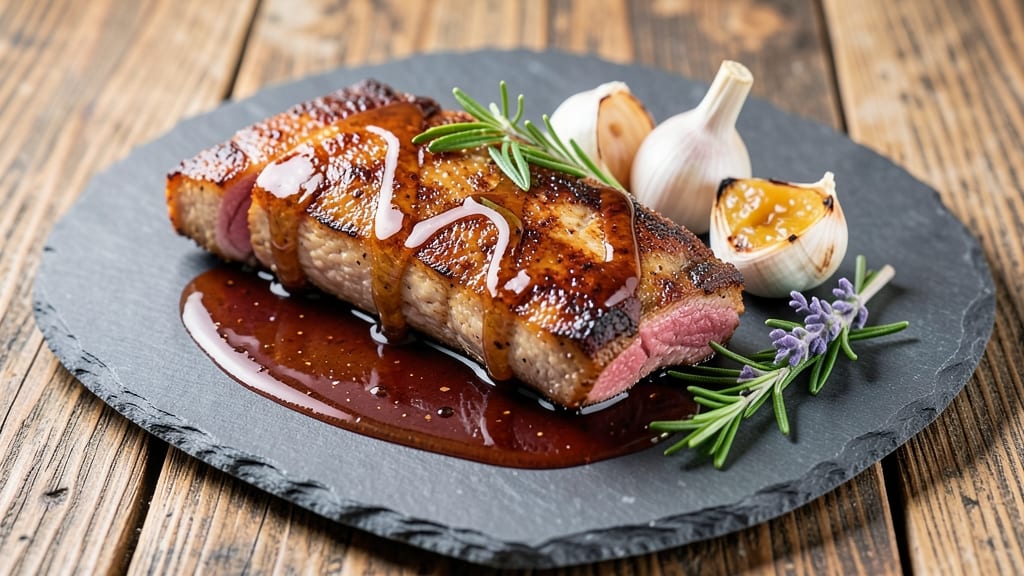
This pork tenderloin recipe with apple cider vinegar transforms tough cuts into fork-tender perfection in just 30 minutes. The vinegar's magic lies in its ability to tenderize while creating a caramelized glaze that locks in juices—no dry meat here.
I perfected this technique after years of testing, and the balance of tangy sweetness makes it a crowd-pleaser that feels restaurant-worthy. The one-pan method means minimal cleanup, too.
The secret starts with a simple marinade of apple cider vinegar, olive oil, and herbs that works its magic while you prep other components. We'll sear the pork to lock in flavors, then finish it in the oven until it reaches 145°F—juicy, golden, and impossible to resist.
The vinegar not only tenderizes but also creates a glossy, slightly sticky crust that caramelizes beautifully. This isn't just pork—it's a showstopper that pairs perfectly with roasted vegetables or creamy mashed potatoes.
What makes this recipe truly special is how it delivers restaurant-quality results without the fuss. The apple cider vinegar adds depth that cuts through the richness of the pork, while the 30-minute timeline makes it ideal for weeknight dinners.
Serve it with a crisp hard cider or a bourbon cocktail to complement the tangy-sweet profile. The best part? Every bite is moist, flavorful, and worth the effort.
This method works equally well for grilling or roasting, so adjust your heat source based on your kitchen setup. The pork's natural leanness makes it a healthier protein choice, but the vinegar glaze ensures it's anything but boring.
Trust me—once you try this version, you'll never go back to plain roasted pork again. Let's get cooking!
Ingredients for pork tenderloin recipe apple cider vinegar
The magic starts with tender pork, tangy vinegar, and just the right herbs for a one-pan showstopper.
| Ingredient | Amount | Notes |
|---|---|---|
| Pork Tenderloin 🥩 | 1 ½ lb | Center-cut, trimmed of fat |
| Apple Cider Vinegar 🍏 | ¼ cup | Unfiltered for best flavor |
| Extra-Virgin Olive Oil 🫒 | 2 tbsp | For searing and marinade |
| Fresh Rosemary 🌿 | 2 tbsp | Chopped finely, stems removed |
| Fresh Thyme 🌿 | 1 tbsp | Leaves only, chopped |
| Garlic Cloves 🧄 | 4 cloves | Minced finely |
| Brown Sugar 🍯 | 2 tbsp | Light or dark works |
| Salt 🧂 | 1 ½ tsp | Kosher or sea salt |
| Black Pepper 🌶️ | ½ tsp | Freshly ground |
| Honey 🍯 | 1 tbsp | For glaze balance |
| Hard Cider 🍺 | ½ cup | For deglazing (optional) |
| Fresh Parsley 🌿 | ¼ cup | Chopped, for garnish |
The pork tenderloin is your star—center-cut and trimmed for even cooking. Most butchers will do this for you, but if you're prepping at home, trim any silverskin or excess fat. Costco or local butchers usually have the best quality, but grocery stores carry it too. Look for a piece that's uniform in size—about 1.5 pounds for four servings. The apple cider vinegar? Unfiltered is ideal for that extra depth of flavor, but regular will work in a pinch. I always grab a bottle from Trader Joe's—their organic version has great reviews.
No apple cider vinegar? White vinegar or balsamic vinegar will work, but the flavor won't be quite the same. Fresh herbs are ideal, but dried rosemary and thyme at half the amount will do if you're short on time. The honey adds a touch of sweetness to balance the tang—substitute maple syrup if you prefer. For the hard cider, any dry variety works, but Angry Orchard or Strongbow are crowd-pleasers. If you're skipping it, just add a splash of water or broth instead. The brown sugar gives that caramelized glaze—coconut sugar works too if you're avoiding refined sugar.
This dish reheats beautifully—honestly tastes better the next day. Store leftovers in the fridge for up to 4 days, covered tightly. For longer storage, freeze portions for 3 months. I always make a double batch because it disappears fast. The glaze thickens when chilled, so reheat gently with a splash of water or broth to loosen it up. Garnish with fresh parsley right before serving—it adds that restaurant-quality touch.
Why You'll Love This Recipe
- Same recipe, different vibes: throw it on the table for a lazy Tuesday or impress guests with the same effort. The rosemary-thyme combo feels fancy, but the vinegar keeps it approachable—no one will guess it’s this unfussy.
- One-Pan Magic: I swear by this recipe when I’m too tired to scrub pots—just sear the tenderloin, toss in the vinegar and herbs, and let the oven do the work. No chopping, no fuss, just a sheet pan that’s basically self-cleaning.
- Tangy Crispy Perfection: That apple cider vinegar isn’t just for flavor—it caramelizes into a sticky, golden crust while keeping the inside juicy. Honestly, the first time I tried it, I nearly licked the pan.
- Weeknight to Dinner Party: Same recipe, different vibes: throw it on the table for a lazy Tuesday or impress guests with the same effort. The rosemary-thyme combo feels fancy, but the vinegar keeps it approachable—no one will guess it’s this unfussy.
Step-by-step instructions for apple cider vinegar pork tenderloin
Here's how to transform simple ingredients into a fork-tender, tangy-sweet masterpiece in one pan.
Sear the Pork Tenderloin to Lock in Juices
Heat a large oven-safe skillet over medium-high heat until hot. Add the 2 tablespoons extra-virgin olive oil and swirl to coat. Place the 1.5 lb pork tenderloin in the skillet and sear on all sides for 3-4 minutes per side until deep golden brown. Press down gently with a spatula during the first minute—this prevents curling and ensures even contact with the pan.
Real talk: the sear creates that beautiful crust while keeping the interior juicy. If the pork releases easily from the pan after searing, it's ready for the next step. Remove the pork and set it aside on a plate.
Build the Tangy-Sweet Braising Base
In the same skillet (those browned bits are flavor gold), reduce heat to medium and add the 4 cloves minced garlic. Cook for 30 seconds until fragrant—don't let it brown or it'll turn bitter. Add the 2 tablespoons chopped fresh rosemary, 1 tablespoon chopped fresh thyme, 2 tablespoons brown sugar, 1.5 teaspoons salt, and 0.5 teaspoon black pepper.
Stir everything together for 1 minute until the spices bloom and the sugar begins to caramelize slightly. Here's the thing—this aromatic base is what infuses the pork with that perfect balance of sweet, tangy, and herby flavors.
Deglaze and Braise Until Fork-Tender
Pour in the 0.25 cup apple cider vinegar and 0.5 cup hard cider (if using). Scrape up all those delicious browned bits from the bottom of the pan with a wooden spoon—this is called deglazing and it captures all the meaty flavor.
Return the pork to the skillet, spooning some of the liquid over the top. Cover with a lid and transfer to a preheated 375°F oven. Braise for 20-25 minutes until the pork reaches 145°F internal temperature and a fork slides in easily with no resistance.
Glaze and Garnish for Restaurant-Worthy Finish
Remove the pork from the oven and increase heat to medium-high on the stovetop. Add the 1 tablespoon honey to the pan juices and simmer for 2-3 minutes until slightly thickened. Spoon this glossy glaze over the pork and let it caramelize for 1 minute.
Finish with the 0.25 cup chopped fresh parsley and let the pork rest for 5 minutes before slicing. This resting period ensures the juices redistribute, giving you perfectly tender slices every time. Serve with the pan juices spooned over the top for maximum flavor.
Pro Tips For Making Pork Tenderloin Recipe Apple Cider Vinegar
- USE A COLD START: I learned this the hard way—skipping this step makes the vinegar taste harsh. Place your pork in the fridge for 30 minutes before searing, then pat it thoroughly dry. The cold shock tightens the fibers, and the dry surface guarantees a proper crust instead of steam.
- SALT THE PORK TWICE: First, season the tenderloin generously with salt before any vinegar touches it—let it sit for 15 minutes. Then, when you deglaze with apple cider vinegar, sprinkle another layer of salt directly into the pan. The first salt seasons the meat; the second dissolves into the sauce for balanced flavor.
- DEGLAZE HOT, THEN SIMMER: After searing, pour in the apple cider vinegar immediately—the residual heat in the pan will sizzle it into a glossy reduction. Let it boil for 30 seconds, then reduce to a gentle simmer. Rushing this step leaves a thin, sour sauce; simmering develops depth. (Yes, even if you’re impatient like me.)
- STEAM THE HERBS: Bundle rosemary and thyme in cheesecloth or foil—this keeps the stems out of your sauce while letting the oils infuse. Toss the bundle into the pan after deglazing, then simmer the pork on top of it. The trapped steam releases their aroma without turning the sauce bitter. (Your future self will notice the difference.)
Flavor customization for this recipe
Sweet-Tangy Glaze
Balance the sharpness of apple cider vinegar with 1 tablespoon honey or 1 tablespoon maple syrup—this creates a caramelized glaze that clings beautifully to the pork. For extra depth, add ½ teaspoon cinnamon to the marinade before searing.
The honey also helps mellow the acidity, making every bite more complex. I like to drizzle the glaze over the finished pork while it's still hot for that glossy finish. 🍯
Spicy Kick
Add ½ teaspoon smoked paprika or ¼ teaspoon cayenne pepper to the braising base for warmth. For a smoky twist, swap ½ teaspoon chipotle powder into the marinade. The vinegar's acidity makes these spices sing, creating a perfect balance of heat and tang.
If you love spice, try 1 teaspoon hot honey instead of regular honey for a fiery-sweet finish. 🌶️
Herb Variations
Swap out rosemary and thyme for 1 tablespoon fresh sage or 1 teaspoon dried oregano for a Mediterranean twist. Sage pairs beautifully with the vinegar's brightness, while oregano adds earthiness.
For a brighter flavor, add 1 tablespoon fresh parsley to the marinade. I often use whatever fresh herbs are in my garden—it keeps things seasonal and exciting. 🌿
Umami Boost
Add 1 tablespoon soy sauce or 1 teaspoon fish sauce to the braising liquid for a savory depth. The umami enhances the pork's natural richness while complementing the vinegar's tang.
For a vegetarian-friendly option, use 1 tablespoon mushroom powder or 1 tablespoon nutritional yeast. These additions make the dish even more complex and satisfying. 💫
Citrus Zing
Brighten the dish with 1 tablespoon fresh lemon juice or zest of 1 orange in the marinade. The citrus cuts through the richness of the pork and balances the vinegar's acidity.
I love adding 1 teaspoon orange zest to the glaze for a pop of color and flavor. The combination is especially refreshing in summer. 🍊
Nutty Crunch
Top the finished pork with toasted pecans or chopped walnuts for texture. Toast ¼ cup chopped nuts in the same skillet after removing the pork, then sprinkle over the top.
The crunch contrasts the tender meat beautifully. For extra flair, drizzle with 1 teaspoon balsamic glaze before adding the nuts. 🌰
Nutrition facts
Frequently asked questions
Why does apple cider vinegar make pork tenderloin more tender?
The acid in apple cider vinegar breaks down tough muscle fibers, creating microscopic tears that allow the meat to absorb more moisture. This tenderizing effect works best when the vinegar is applied before cooking, either in a marinade or as part of the braising liquid. The result is meat that's fork-tender with minimal effort!
Can I use this recipe for grilling instead of oven-braising?
Skip the oven step and grill the seared pork over medium-high heat for 12-15 minutes, turning occasionally. For extra flavor, baste with the vinegar mixture every 3-4 minutes. The vinegar's acidity helps prevent sticking and creates beautiful grill marks. Just watch the internal temp—it should reach 145°F before removing.
What's the best way to store leftovers?
Let the pork cool completely, then store in an airtight container with any leftover glaze. It keeps in the fridge for 4 days or freezes beautifully for 3 months. To reheat, warm gently in a skillet with a splash of water or broth to restore the glossy glaze. The flavors actually improve overnight!
Can I substitute apple cider vinegar with something else?
Yes! White vinegar or balsamic vinegar work in a pinch, though the flavor will differ slightly. For a similar tangy-sweet balance, try 1 tablespoon lemon juice plus 1 teaspoon maple syrup. The key is maintaining that acidity to tenderize the meat. Unfiltered vinegar always gives the best depth of flavor.
How do I know when the pork is fully cooked?
Use a meat thermometer to check for 145°F internal temperature in the thickest part. The pork should pull away from the bone slightly and feel very tender. If using a fork, it should slide in easily with no resistance. For extra peace of mind, let it rest 5 minutes before slicing—this ensures juices redistribute.