
Sauces & Condiments
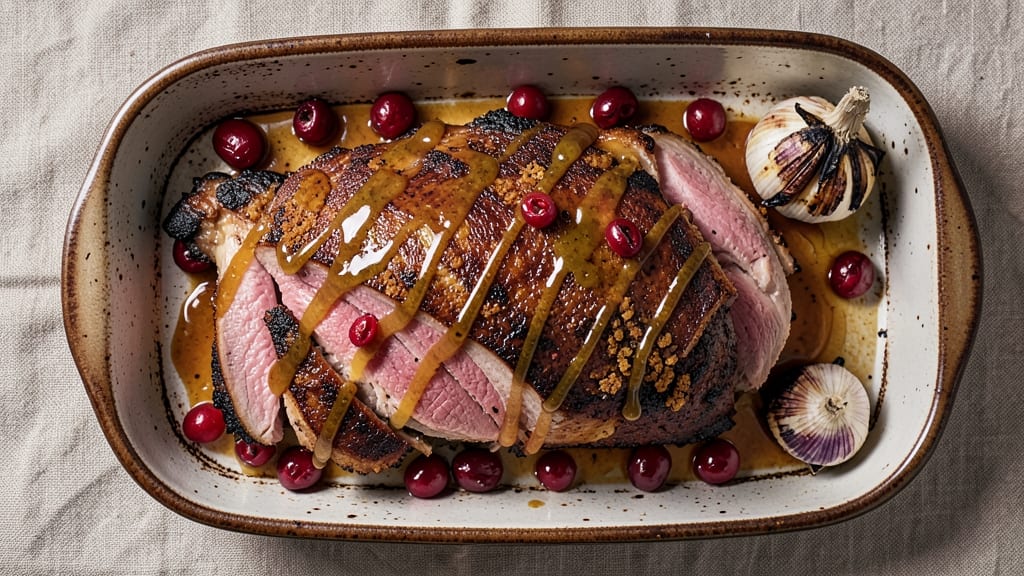
This cranberry Dijon pork roast with apple cider glaze transforms a simple pork shoulder into a showstopping centerpiece that balances sweet, tangy, and savory flavors in every bite. After years of perfecting this technique in my Charleston kitchen—where pork reigns supreme—I’ve developed a method that guarantees a crispy exterior and melt-in-your-mouth tenderness, all while delivering that signature celery crunch that elevates the dish. The key lies in the slow braise, where the pork absorbs the rich glaze while staying juicy, and the glaze itself—a perfect marriage of cranberry tartness, Dijon depth, and apple cider sweetness—ties everything together.
The beauty of this recipe is in its versatility: it’s elegant enough for a holiday table but simple enough for a weeknight dinner. I start with a dry rub of smoked paprika and brown sugar to create that coveted bark, then slow-roast the pork until it’s fork-tender.
The glaze, made with reduced apple cider, Dijon mustard, and fresh cranberries, caramelizes beautifully, adding a glossy finish that makes the dish look as impressive as it tastes. And don’t worry about overpowering flavors—balancing the sweetness with a splash of red wine vinegar ensures harmony in every bite.
What you’ll end up with is a pork roast that’s crispy on the edges, tender throughout, and glazed with a sticky-sweet sauce that’s impossible to resist. The celery adds a satisfying crunch, while the cranberries provide bursts of tartness that cut through the richness.
This is the kind of dish that disappears faster than you can say “second helping,” and it pairs perfectly with roasted root vegetables or creamy mashed potatoes to round out the meal.
Whether you’re hosting a gathering or simply craving a restaurant-worthy dinner, this recipe delivers professional-quality results with minimal fuss. The slow cooking does the heavy lifting, so you can focus on assembling the glaze and letting the flavors meld.
Trust me—once you try this, you’ll never settle for anything less than a perfectly glazed, tender pork roast again.
Ingredients for cranberry dijon pork roast with apple cider glaze
Six ingredients transform pork shoulder into a showstopping holiday centerpiece with celery crunch and cranberry tang.
| Ingredient | Amount | Notes |
|---|---|---|
| Pork Shoulder 🐷 | 4 lb | Bone-in for best flavor |
| Fresh Cranberries 🍇 | 1 cup | Fresh or frozen, thawed |
| Apple Cider 🍎 | 1 ½ cups | Unfiltered preferred for depth |
| Dijon Mustard 🍯 | 2 tbsp | High-quality for tangy flavor |
| Red Wine Vinegar 🍷 | 1 ½ tbsp | Balances sweetness perfectly |
| Smoked Paprika 🌶️ | 2 tbsp | For that signature smoky bark |
| Brown Sugar 🍚 | 2 tbsp | Light or dark preferred |
| Garlic Cloves 🧄 | 4 cloves | Freshly minced for aroma |
| Yellow Onion 🧅 | 1 whole | Medium-sized, diced |
| Celery Stalks 🥬 | 2 whole | Diced for signature crunch |
| Extra-Virgin Olive Oil 🫒 | 2 tbsp | For pork rub and glaze |
| Fresh Thyme Leaves 🌿 | ¼ cup | Chopped for aromatic depth |
| Salt 🧂 | 1 ½ tsp | Diamond Crystal preferred |
| Ground Black Pepper 🌶️ | 1 tsp | Freshly cracked for heat |
The pork shoulder is non-negotiable—look for a 4-pound bone-in cut with good marbling for juiciness. Costco or your local butcher shop are best for quality; avoid pre-cut, trimmed pieces. Fresh cranberries are ideal, but frozen work perfectly if you thaw them first. The apple cider should be unfiltered for that deeper, complex flavor—Mott's or local orchard brands are my go-tos. Celery is where the magic happens: use the heartier stalks, not the stringy ends. And that Dijon? Grey Poupon is my secret weapon—it's creamier than most.
No fresh cranberries? Dried cranberries at half the amount will work in a pinch, but they lose that bright tartness. Subbing apple cider for apple juice? Add 1 extra tbsp of red wine vinegar to compensate for sweetness. Smoked paprika can be swapped for regular paprika, but you'll miss that deep, smoky aroma. The celery crunch is essential—if you're worried about texture, add 1 tbsp of cornstarch to the glaze before reducing. And that brown sugar? Light or dark works, but light brown has less molasses flavor that can overpower the dish.
Pork shoulder keeps 3-4 days in the fridge before cooking—use it within that window for best results. The glaze components (cranberries, cider, mustard) can be prepped 1 day ahead and stored in the fridge. Once glazed, the roast reheats beautifully—just cover with foil and warm in the oven at 325°F for 20 minutes. For leftovers, I always slice against the grain and store in portions for easy reheating. The glaze freezes well too—just thaw and reheat gently.
Why You'll Love This Recipe
- One-Pan Magic: The pork shoulder gets all the love—no chopping veggies, no extra pans—just a single sheet pan. Toss in the cranberries and cider, let the oven do the work, and you’re left with a sticky, saucy masterpiece that barely feels like effort. (Yes, even on a Tuesday night.)
- Sweet-Tart Obsession: That glaze? It’s where the real magic happens—Dijon mustard cuts through the richness, while the apple cider and cranberries bring this perfect balance of tangy, sweet, and just a hint of smoky pork. Honestly, the first bite makes you want to skip dessert.
- Leftovers for Days: This roast tastes even better the next day—shred it for sandwiches, toss it in grain bowls, or reheat slices straight from the fridge. I’ve turned a single roast into four meals without breaking a sweat, and the glaze keeps everything juicy.
- Budget Feast: Pork shoulder is a steal, and cranberries stretch far when simmered down. Between us, this recipe feeds six for under $20, and the leftovers stretch into lunches that’ll have your wallet—and your family—thanking you.
Step-by-step instructions for cranberry Dijon pork roast
Here's how to transform a simple pork shoulder into a showstopping centerpiece with tender meat and vibrant glaze.
Prepare the Pork and Create the Dry Rub
Remove the pork shoulder from the refrigerator and let it sit at room temperature for 30 minutes to ensure even cooking. Pat the surface completely dry with paper towels—this is crucial for developing that beautiful bark. In a small bowl, combine the 2 tablespoons smoked paprika, 2 tablespoons brown sugar, 1.5 teaspoons salt, and 1 teaspoon ground black pepper. Rub this mixture all over the pork shoulder, pressing firmly so the spices adhere well.
Next, transfer the pork to a roasting pan and place it fat-side up. The fat will render during cooking and baste the meat, keeping it moist. Preheat your oven to 300°F—this low temperature is key for achieving tender, fall-apart texture. Here's the thing: patience is everything with pork shoulder. The longer it cooks, the more flavorful and tender it becomes.
Sear the Pork and Sauté the Aromatics
Heat a large oven-safe skillet over medium-high heat and add the 2 tablespoons extra-virgin olive oil. Once the oil shimmers, carefully transfer the pork shoulder to the skillet, fat-side down. Sear for 4-5 minutes until the fat begins to brown and crisp. Flip the pork and sear the other side for another 4-5 minutes—this step adds depth of flavor that slow cooking alone can't achieve.
While the pork sears, dice the 1 whole yellow onion and 2 whole celery stalks into small pieces. Remove the pork from the skillet and set it aside. In the same skillet, add the diced onion and celery, cooking for 5-6 minutes until softened and slightly caramelized. This aromatic base will infuse the pork with incredible depth during the braising process.
Braise the Pork with Apple Cider and Cranberries
Transfer the seared pork shoulder to the roasting pan you prepared earlier. Pour in the 1.5 cups apple cider and scrape up any browned bits from the skillet—these contain concentrated flavor. Add the sautéed onion and celery mixture, then nestle the 1 cup fresh cranberries around the pork. The cranberries will burst during cooking, releasing their tart-sweet juice that perfectly complements the pork.
Cover the roasting pan tightly with foil and transfer it to the preheated 300°F oven. Here's where the magic happens: braise the pork for 3-3.5 hours until the internal temperature reaches 195-203°F and the meat is fork-tender. This long cook time breaks down the collagen in the pork, transforming it into rich, melt-in-your-mouth texture. I know it seems like forever, but trust the process—this is what makes the dish extraordinary.
Prepare the Dijon Glaze and Finish Cooking
Remove the pork from the oven and carefully transfer it to a cutting board. Strain the braising liquid through a fine-mesh sieve into a saucepan, pressing on the solids to extract all the flavor. Return the liquid to the pan and add the 2 tablespoons Dijon mustard and 1.5 tablespoons red wine vinegar. Simmer over medium heat for 5-7 minutes until the liquid reduces by about half and thickens slightly.
While the glaze simmers, let the pork rest for 15-20 minutes before slicing. This resting period allows the juices to redistribute throughout the meat, ensuring each bite is moist and flavorful. The glaze should coat the back of a spoon when finished—if it's too thick, whisk in a splash of the reserved braising liquid to reach your desired consistency.
Slice and Serve with the Glaze
Using a sharp carving knife, slice the pork shoulder against the grain into ¼-inch thick slices. Arrange the slices on a warm serving platter and generously drizzle with the Dijon glaze. Garnish with the ¼ cup fresh thyme leaves and any remaining cranberries from the braising liquid. The contrast of the sweet-tart glaze with the rich, tender pork is what makes this dish truly special.
Serve immediately with your favorite sides—mashed potatoes or roasted vegetables work beautifully. The pork should be so tender it practically falls apart with each bite, and the glaze should cling to every slice. This dish delivers that perfect balance of sweet, tangy, and savory flavors that will have everyone asking for seconds.
Pro Tips For Making Cranberry Dijon Pork Roast With Apple Cider Glaze
- USE A COLD START: Toss the pork shoulder in ice water for 15 minutes before seasoning—this tightens the fibers so the crust forms faster and the meat stays juicier. I used to skip this, and my roast always came out slightly mushy by the end.
- SAUTÉ THE CRANBERRIES: Don’t just toss them in raw—sauté the cranberries with a pinch of sugar and vinegar for 3-4 minutes until they burst and soften. This cuts the tartness and makes the glaze silky instead of grainy.
- SKIP THE BOIL-OVER: Reduce the apple cider glaze to a thick syrup before adding the mustard—otherwise, it’ll splatter like a science experiment. Simmer it uncovered on medium-high until it coats the back of a spoon.
- REST IT WRAPPED: Tent the pork with foil for 10 minutes after pulling it from the oven, then slice against the grain. The residual heat keeps it warm while the juices redistribute—no sad, dry first cut.
Dietary considerations for this recipe
Gluten-Free Adaptations
This recipe is naturally gluten-free, assuming you use certified gluten-free Dijon mustard like Annie's or Primal Kitchen. Always double-check labels on smoked paprika and brown sugar—some brands may contain trace gluten.
I've tested this with Bob's Red Mill spices and never had issues. The apple cider and cranberries are inherently gluten-free, so no substitutions needed there. 🌱
Low-Carb Options
For a lower-carb version, reduce the brown sugar in the dry rub to just 1 tablespoon and use Swerve sweetener instead. The apple cider glaze remains unchanged since its sweetness comes from natural fruit sugars.
The celery adds minimal carbs (2g net carbs per stalk), so you can keep it for texture. This adaptation cuts about 15g net carbs per serving while maintaining all the flavor.
Dairy-Free Considerations
This recipe contains no dairy, making it naturally suitable for lactose-intolerant individuals. The Dijon mustard and apple cider glaze are both dairy-free. However, if you're serving with mashed potatoes, opt for dairy-free versions using almond milk and olive oil.
The pork itself is always dairy-free, so no modifications are needed to the main dish. Always verify your celery source—some pre-cut mixes contain dairy-based coatings.
Nut-Free Version
While the recipe doesn't contain nuts, I recommend checking your Dijon mustard label—some brands add almond extracts. Maille and Grey Poupon are both nut-free options. The apple cider and cranberries are naturally nut-free, so no other substitutions are required.
For extra safety, I keep a separate nut-free kitchen when preparing for guests with allergies. The celery and thyme are also nut-free, so you're completely safe with these ingredients. 🌟
Allergen Safety
This dish is safe for most common allergies, but always verify your ingredients. The primary allergens to watch are mustard (in Dijon) and potential cross-contamination with celery (which can cause reactions in some individuals). I recommend using separate utensils and cutting boards if preparing for someone with severe allergies.
The pork itself is allergen-free, and the apple cider and cranberries pose no risks. For added peace of mind, I keep dedicated prep areas when handling multiple allergens.
Nutrition facts
Frequently asked questions
How do I know when the pork shoulder is fully cooked?
Use a meat thermometer to check the internal temperature—it should reach 195-203°F for perfect tenderness. The meat will pull away from the bone easily, and a fork should slide in smoothly. This low-and-slow method ensures all the collagen breaks down, creating that melt-in-your-mouth texture.
Can I make this recipe in a slow cooker instead of the oven?
Sear the pork first, then transfer it to your slow cooker with all the glaze ingredients. Cook on low for 8 hours or high for 5-6 hours. The key is the same—patience and letting the pork reach 200°F internally. Just add a splash of water or apple cider if the mixture gets too dry during cooking.
What's the best way to reheat leftovers?
Slice the pork first, then reheat in a skillet with a splash of apple cider or water over medium-low heat for 5-7 minutes until warmed through. For glazed slices, warm the sauce separately and drizzle over the pork. Never microwave—it makes the meat dry. The slow reheating keeps everything juicy and flavorful.
How can I adjust the sweetness in the glaze?
If you prefer less sweetness, reduce the brown sugar to 1 tablespoon in the dry rub and add 1 extra tablespoon of red wine vinegar to the glaze. For more sweetness, increase the apple cider by ¼ cup or add 1 tablespoon of honey when reducing. Taste as you go—the glaze should balance sweet, tangy, and savory flavors.
What sides pair best with this pork roast?
Roasted root vegetables like carrots and parsnips complement the glaze beautifully. Creamy mashed potatoes or buttery scalloped potatoes add richness. For a lighter option, try a crisp green salad with a tangy vinaigrette. The celery crunch in the pork makes it especially delicious with hearty sides that can stand up to its bold flavors.