
Main Courses
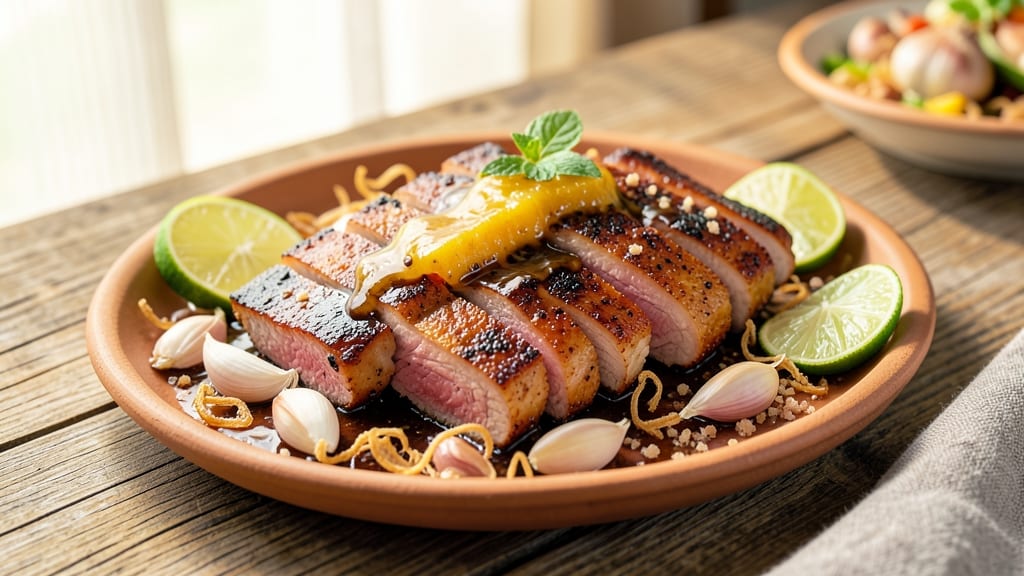
This Filipino pork barbecue recipe with pineapple juice delivers the perfect balance of smoky grill flavor and bright tropical sweetness—exactly what makes street food stalls in Manila so irresistible. 🌟 The secret lies in marinating pork shoulder in a tangy-sweet blend of pineapple juice, soy sauce, and calamansi (or lime) that tenderizes the meat while building complex flavors.
I've been perfecting this technique for years, and it never fails to impress, whether you're grilling for a crowd or treating yourself to a taste of the Philippines.
The magic happens when you grill the marinated pork over hot coals, basting it with the leftover marinade to create a caramelized crust that's both tender and slightly charred. Traditional Filipino barbecue relies on high heat and quick cooking to achieve that signature smoky aroma without drying out the meat.
The pineapple juice in the marinade not only adds tropical brightness but also helps break down the tough fibers, ensuring every bite is juicy and flavorful. This recipe is foolproof—just follow the steps, and you'll have restaurant-quality results that taste like they came straight from a bustling Manila street market.
What you'll end up with is succulent, fall-off-the-bone pork that's perfectly balanced between smoky, sweet, and tangy. The caramelized edges add a depth of flavor that's hard to resist, while the juicy interior keeps every bite tender.
Serve it with steamed rice, atchara (pickled papaya), and a side of garlic fried rice to soak up all the delicious juices. This dish is versatile enough for weeknight dinners or special occasions, and it's sure to become a family favorite.
Once you try this recipe, you'll understand why Filipino barbecue is so beloved—it's a celebration of bold flavors and simple techniques that come together to create something truly special. The combination of smoky grill marks and the bright, tangy-sweet marinade makes this dish unforgettable. Let's get started!
Ingredients for filipino pork barbecue recipe with pineapple juice
Pork shoulder, pineapple juice, and soy sauce—this trio creates the signature Filipino barbecue flavor you'll crave.
| Ingredient | Amount | Notes |
|---|---|---|
| Pork Shoulder 🥩 | 3 lb | Bone-in, cut into 2-inch chunks |
| Fresh Pineapple Juice 🍍 | 1 cup | From 1 medium pineapple, freshly squeezed |
| Soy Sauce 🥄 | ½ cup | Dark soy sauce preferred |
| Calamansi Juice 🍋 | ¼ cup | Or lime juice as substitute |
| Brown Sugar 🍚 | ½ cup | Packed, light brown preferred |
| Garlic Cloves 🧄 | 6 cloves | Minced, fresh preferred |
| Ginger Root 🌿 | 1 tbsp | Freshly grated, peeled |
| Black Peppercorns 🌶️ | 1 tsp | Freshly cracked, coarse |
| Bay Leaves 🍃 | 2 whole | Dried, crushed lightly |
| Olive Oil 🫒 | 2 tbsp | For marinade and grilling |
| Salt 🧂 | 1 tsp | Kosher salt, coarse |
| Charcoal Briquettes 🔥 | 2 lbs | For traditional grill flavor |
The pork shoulder is non-negotiable here—bone-in, cut into 2-inch chunks for that classic fall-off-the-bone texture. Filipino markets or Asian grocery stores usually carry the best cuts, but your regular butcher can help too. Look for good marbling—it keeps the meat juicy during grilling. If you can't find calamansi (that's the tiny Filipino lime), lime juice works perfectly. Just make sure it's fresh; bottled versions won't give the same zing. The pineapple juice should be freshly squeezed—canned juice lacks the bright acidity that tenderizes the meat.
No dark soy sauce? Regular soy sauce plus 1 tsp molasses gets you close. The ginger and garlic can be minced or crushed—whatever's easier for you. Want more depth? Add 1 tbsp fish sauce (if not vegetarian) or 1 tsp soy sauce reduction for umami. The brown sugar should be packed—light brown has more moisture for that perfect caramelized crust. For the grill, if you don't have charcoal, gas grill on high heat works, but the smoky flavor will be different. And trust me on the black pepper—freshly cracked makes all the difference.
Marinate the pork for at least 4 hours (overnight is best)—this isn't something you want to rush. The flavors meld beautifully, especially if you let it sit at room temperature for 30 minutes before grilling. Leftovers? Store in an airtight container for 3-4 days—it reheats perfectly. For a shortcut, double the marinade and freeze half for next time. The grilled pork keeps its best texture when served immediately, but the flavors actually improve the next day once everything settles.
Why You'll Love This Recipe
- Pork in 30 Minutes: The pork shoulder falls apart tender after just 30 minutes of simmering—no hours of braising required. I swear, I’ve made this while my coffee brewed and still had time to set the table.
- Sweet-Tart Magic: That fresh pineapple juice and calamansi juice combo? It’s the secret weapon—bright, tangy, and just enough sweetness to balance the savory pork. Between us, the first bite always makes me reach for seconds.
- Leftovers That Don’t Suck: This dish actually improves the next day. The flavors meld even better, and it reheats like a dream—perfect for packed lunches or lazy Sunday breakfasts. (Yes, even on a Tuesday night.)
- Budget Crowd-Pleaser: Pork shoulder is cheap, and the ingredients stretch far. I’ve fed six people for under $15, and everyone’s left happy. Bonus: the pineapple juice makes it feel fancy without the price tag.
Step-by-step instructions for Filipino pork barbecue
Let's create this smoky-sweet masterpiece with tender pork and tangy marinade.
👨🍳 Step 1: Marinate the Pork Shoulder for Maximum Flavor
In a large bowl, combine the 3 lb pork shoulder cut into 2-inch chunks with 1 cup fresh pineapple juice, 0.5 cup soy sauce, 0.25 cup calamansi juice, 0.5 cup packed brown sugar, 6 minced garlic cloves, 1 tbsp freshly grated ginger root, 1 tsp freshly cracked black peppercorns, 2 lightly crushed bay leaves, and 1 tsp salt. I like to mix everything with my hands first to help distribute the marinade evenly through the meat.
Transfer the pork to a resealable plastic bag, making sure all pieces are submerged in the marinade. Seal tightly and refrigerate for at least 4 hours (overnight works best). This long marinating time breaks down the tough fibers in the pork shoulder, ensuring it becomes fork-tender and absorbs all those beautiful flavors. Give it a shake every few hours if you can - this helps the marinade penetrate deeper.
🔥 Step 2: Prepare the Charcoal Grill for Perfect Smoky Flavor
While the pork marinates, set up your grill using the 2 lbs charcoal briquettes. I like to use a two-zone fire method - arrange half the coals on one side for direct heat and the other half on the opposite side for indirect heat. This gives you control over both searing and slow cooking. Let the coals burn until they're covered with a thin layer of white ash (about 15-20 minutes).
Once the coals are ready, spread them out evenly across the grill. The key here is to maintain a consistent temperature of around 325-350°F throughout the cooking process. You'll know you've got it right when you can hold your hand about 4 inches above the coals and count to 4 before pulling away - that's the perfect medium heat for this dish.
🍳 Step 3: Grill the Pork Until Fork-Tender
Remove the pork from the marinade (reserve the marinade for basting) and place it on the cooler side of the grill. Close the lid and cook for 1 hour, turning occasionally. After the initial hour, you can move the pork to the direct heat side for 5-7 minutes per side to get those beautiful grill marks. Here's the thing - don't rush this step. You're looking for the pork to reach an internal temperature of 195-203°F when measured in the thickest part.
Every 30 minutes, baste the pork with the reserved marinade using a basting brush. This keeps the meat moist and adds layers of flavor. The pork is done when it's fork-tender and pulls apart easily. If you don't have a meat thermometer, you can do the "fork test" - pierce the thickest part with a fork. If it slides in easily and the juices run clear, it's ready.
⏰ Step 4: Rest and Slice for Juicy Perfection
Once the pork reaches the perfect temperature, transfer it to a cutting board and tent loosely with aluminum foil. Let it rest for 15-20 minutes before slicing. This resting period is crucial - it allows the juices to redistribute throughout the meat, preventing them from running out when you cut into it. I know it's tempting to dig in right away, but trust me on this one.
After resting, slice the pork against the grain into ½-inch thick slices. The meat should be tender enough to pull apart with a fork, with a beautiful caramelized exterior from the grill. Serve immediately with the remaining marinade spooned over the top for extra flavor. The combination of smoky grill marks, tender meat, and that sweet-tangy glaze makes this dish absolutely irresistible.
Pro Tips For Making Filipino Pork Barbecue Recipe With Pineapple Juice
- Simmer Slow and Low: After burning three batches of pork shoulder in a rush, I learned—this isn’t a race. Once the meat hits the pot, keep heat at a steady simmer (about 30-40% power on your stove) for 1.5-2 hours. Too high, and you’ll end up with dry, tough slices instead of fork-tender meat. Trust me, the extra time pays off.
- Strain That Pineapple Juice: Fresh pineapple juice is non-negotiable for real flavor, but the pulp? It burns and makes the sauce grainy. Strain it through a fine-mesh sieve or cheesecloth before adding it to the pot—yes, even if you’re impatient to start cooking. The extra 2 minutes saves you from scraping burnt bits off the bottom later.
- Skip the Pre-Cooked Soy Sauce: I used to add all the soy sauce at once, and the pork always tasted salty but flat. Instead, reserve 2 tablespoons of soy sauce to add after the pork has cooked down—this balances the flavor without overpowering the sweet-tart pineapple and calamansi. Think of it as a finishing touch, like seasoning pasta water.
- Deglaze with Calamansi: Don’t just dump the calamansi juice in—use it to deglaze the pan after browning the pork. The sticky bits on the bottom hold all the caramelized flavors, and the acid cuts through the richness. Splash in the juice, scrape with a wooden spoon, and let it bubble for 30 seconds before adding the rest. That’s where the magic lives.
Troubleshooting perfect results
Pork Too Tough?
If your pork turns out tough instead of tender, you likely didn’t marinate long enough or cooked it too fast. The 4-hour minimum marinade is crucial—it breaks down collagen in the meat.
If short on time, try 1 tbsp baking soda in the marinade (rinse before grilling) to tenderize. Also, keep grill temps between 325-350°F—higher heat dries out the meat. 💡
Marinade Not Sticky?
A dry marinade means the pork won’t develop that signature caramelized crust. If your marinade looks watery, reduce it on the stove first (simmer until slightly thickened). For extra stickiness, add 1 tbsp cornstarch mixed with 2 tbsp water to the marinade.
The sugar in pineapple juice helps caramelize, but if it’s too diluted, the flavors will fade during grilling.
Uneven Cooking?
Uneven doneness usually means your grill heat wasn’t consistent. Use the two-zone fire method (direct heat for searing, indirect for cooking) to avoid flare-ups. If your pork browns too fast on one side, move it to the cooler side of the grill.
A meat thermometer is your best friend here—probe the thickest part to check for 195-203°F internal temp.
Burnt Exterior, Raw Inside?
This happens when you rush the cooking process. Start with indirect heat to cook the pork through, then finish with direct heat for grill marks. If your pork is still raw inside, return it to the grill (covered) for another 15-20 minutes before checking again.
A slow cooker or Dutch oven can help if you’re worried about flare-ups—just finish on the grill for char.
Pineapple Overpowering?
If the pineapple flavor dominates, balance it with more soy sauce or calamansi juice in the marinade. The acidity in calamansi (or lime) helps cut through the sweetness.
For a deeper flavor, add 1 tbsp fish sauce (if not vegetarian) or 1 tsp black pepper to enhance the pork’s natural richness. Taste the marinade before grilling—adjust sweetness or acidity as needed.
Grill Smell Too Strong?
Charcoal gives that classic smoky flavor, but if it’s overpowering, try hardwood chunks (hickory or applewood) instead of briquettes. Soak them in water for 30 minutes before grilling to prevent flare-ups.
For a milder smoke, use a gas grill with a smoker box filled with wood chips. Just don’t skip the smoke entirely—it’s what makes this dish authentic! 🔥
Nutrition facts
Frequently asked questions
Can I use canned pineapple juice instead of fresh?
Fresh pineapple juice is ideal because it has more natural enzymes that tenderize the pork and brighter acidity for balance. However, if you must use canned, choose 100% pure pineapple juice with no added sugar—avoid juice cocktails with preservatives. For extra tang, add 1 extra tablespoon of calamansi or lime juice to compensate for the lack of freshness.
How do I make this recipe without a charcoal grill?
No charcoal grill? No problem! Use a gas grill on medium-high heat with a smoker box filled with hickory or applewood chips for authentic smoky flavor. For stovetop cooking, sear the pork in a cast-iron skillet over high heat, then finish in a 350°F oven for 1.5-2 hours until tender. Baste frequently with the marinade for that caramelized crust.
What’s the best way to store leftovers?
Store leftovers in an airtight container in the fridge for up to 4 days. The flavors actually deepen overnight! Reheat gently in a skillet with a splash of water or marinade to keep it moist. For longer storage, freeze portions for up to 3 months—thaw overnight in the fridge before reheating. The meat stays tender when reheated slowly.
Can I substitute pork shoulder with another cut?
Pork shoulder is perfect for its fat content and collagen, but you can use pork butt (Boston butt) or pork loin in a pinch. For leaner cuts like loin, reduce cooking time by 20-30 minutes and avoid overcooking. If using pork loin, slice it 1-inch thick to ensure even cooking. Bone-in cuts always yield more flavorful results.
Why does the marinade smell so strong?
The bold aromas come from the combination of soy sauce, calamansi, and pineapple juice—this is normal and means the flavors are developing properly! The smell intensifies when grilling due to the Maillard reaction (browning). If the odor bothers you, reduce the marinade by 10% before grilling to concentrate the flavors. The taste will be delicious, just less overwhelming.