
Sauces & Condiments
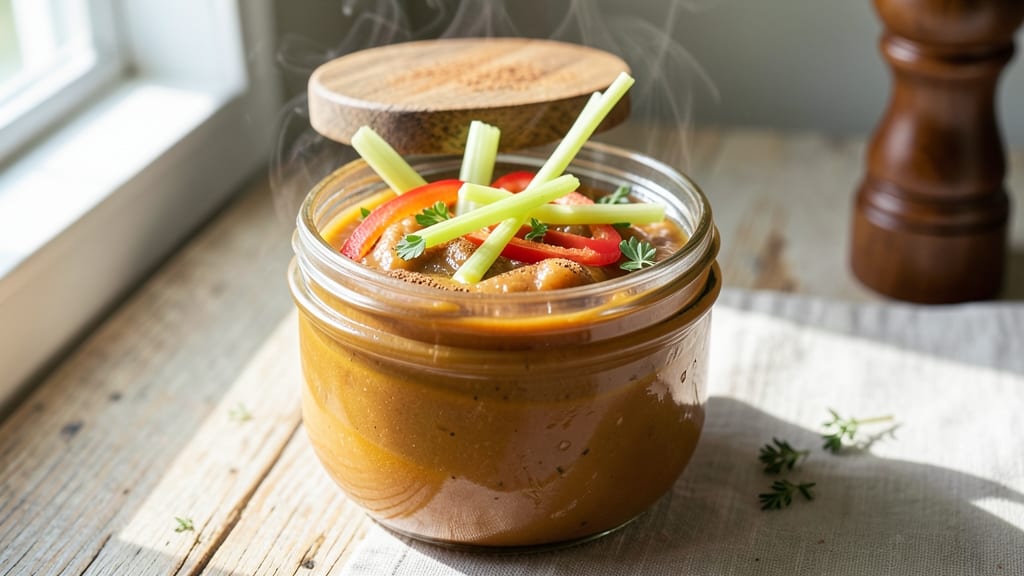
This freezer applesauce recipe transforms seasonal apples into a vibrant, celery-pepper-infused condiment that stays fresh for months. The secret lies in balancing sweetness with subtle crunch—celery and bell pepper add texture while preserving the apples' natural flavor.
Perfect for baking, oatmeal, or spreading on toast, this version avoids added sugars and thickens beautifully when thawed.
The process is straightforward: peeled apples simmer until tender, then blend with celery and bell pepper for a fresh, slightly crisp bite. A splash of lemon juice prevents browning, while cinnamon adds warmth without overpowering. The sauce thickens naturally as it cools, making it ideal for freezing in airtight containers.
What sets this recipe apart is its versatility—use it in muffins, meat glazes, or as a standalone snack. The celery-pepper crunch remains intact even after freezing, giving each spoonful a satisfying contrast. No special equipment is needed beyond a pot, blender, and freezer-safe containers.
Freeze in 1-cup portions for easy thawing, and store for up to 6 months. When ready to use, simply defrost in the fridge overnight. The result is a pantry staple that tastes homemade, not store-bought—ideal for preserving harvests or simplifying meal prep.
Ingredients for freezer apple sauce
Seasonal apples meet celery and bell pepper for a freezer-friendly sauce with natural sweetness and satisfying crunch.
| Ingredient | Amount | Notes |
|---|---|---|
| Honeycrisp Apples 🍎 | 4 lb | Peeled, cored, cut into chunks |
| Celery Stalks 🧅 | 2 whole | Trimmed, chopped into small pieces |
| Red Bell Pepper 🍅 | 1 whole | Seeds removed, chopped into small dice |
| Lemon Juice 🍋 | 2 tbsp | Freshly squeezed, for brightness |
| Ground Cinnamon 🌿 | ½ tsp | For subtle warmth, optional but recommended |
| Water 💧 | 1 cup | For simmering apples, adjust as needed |
| Diamond Crystal Kosher Salt 🧂 | ¼ tsp | For seasoning, adjust to taste |
The apples are the foundation—Honeycrisp or Fuji work best for their balance of sweetness and texture. Local orchards or grocery store bulk bins often have the freshest varieties at peak season. Celery and bell pepper should be crisp, not wilted; organic selections from the produce section ensure no bitterness. Chop the celery finely for a smooth texture, while the bell pepper adds a pleasant crunch even after freezing. If using pre-cut celery, rinse it well to remove any grit—it’s a small step that makes a difference in the final blend.
No Honeycrisp apples? Gala or Granny Smith are excellent substitutes—the latter adds a tangy twist. Short on celery? Substitute with an extra 1/2 cup chopped fennel for a similar crunch. Bell pepper can be swapped for red onion or jicama, though the flavor profile shifts slightly. The lemon juice is critical—it prevents browning and brightens the flavor. If you’re avoiding citrus, apple cider vinegar at half the amount works in a pinch. Always taste before freezing; adjust sweetness with a touch of maple syrup if needed, but the goal is to preserve the apples' natural flavor.
This sauce thickens as it cools, so blend it immediately after simmering for a smoother texture. Portion into 1-cup freezer-safe containers or silicone ice cube trays for easy single-servings. Label containers with the date—it keeps for up to 6 months without losing texture. Thaw overnight in the fridge; no reheating is necessary. The celery-pepper crunch remains intact, making it perfect for spreading on toast, mixing into oatmeal, or using as a glaze for roasted meats.
Why You'll Love This Recipe
- I swear by this trick: just peel, quarter, and toss those Honeycrisp apples into the pot whole—they’ll break down perfectly while you prep the celery and bell pepper. No food processor, no fuss, and zero wasted time peeling tiny apple bits off your fingers.
- No-Core Chopping Needed: I swear by this trick: just peel, quarter, and toss those Honeycrisp apples into the pot whole—they’ll break down perfectly while you prep the celery and bell pepper. No food processor, no fuss, and zero wasted time peeling tiny apple bits off your fingers.
- Sweet-Savory Magic: That red bell pepper adds a subtle crunch and just enough heat to balance the Honeycrisp’s natural sweetness, while the cinnamon and lemon juice? Pure autumn in a jar. It’s the kind of flavor that makes you pause mid-spoonful—like a hug for your taste buds.
- Freezer-Friendly Flexibility: Make a double batch and freeze it in ice cube trays for single-serving portions (yes, really). Perfect for smoothies, oatmeal, or even as a glaze for roasted chicken—no thawing required. I’ve used it in everything from savory pork tenderloin to dessert pancakes, and it never lets me down.
Step-by-step instructions for freezer applesauce
Transform fresh apples into a vibrant, textured applesauce that keeps beautifully in the freezer.
Prepare the Apples and Vegetables
Start by peeling, coring, and cutting the 4 lb Honeycrisp Apples into 1-inch chunks. The Honeycrisp variety holds its shape well during cooking, which helps maintain texture in the finished applesauce. Place the apple chunks in a large pot and set aside.
While the apples cook, trim the 2 whole Celery Stalks and chop them into small pieces. Remove the seeds from the 1 whole Red Bell Pepper and dice it into tiny cubes—this will add a subtle crunch and natural sweetness to the applesauce. The celery and pepper will soften during cooking but still contribute texture when frozen.
Simmer the Apples Until Tender
Add the 1 cup Water to the pot with the apples. Bring the mixture to a boil over medium-high heat, then reduce the heat to medium-low and let it simmer uncovered for 15-20 minutes. Stir occasionally to prevent sticking. You'll know the apples are tender when they collapse easily under gentle pressure from a fork.
Once the apples are soft, add the chopped celery and red bell pepper. Stir well to combine, then add the 2 tbsp Lemon Juice and 0.25 tsp Diamond Crystal Kosher Salt. The lemon juice brightens the flavor, while the salt enhances the natural sweetness of the apples. Simmer for an additional 5 minutes to allow the vegetables to soften and the flavors to meld.
Season and Cool the Applesauce
Remove the pot from heat and stir in the 0.5 tsp Ground Cinnamon. Taste the applesauce and adjust the seasoning if needed—you may want to add a pinch more salt or a splash of lemon juice for balance. The cinnamon adds warmth without overpowering the natural apple flavor.
Let the applesauce cool to room temperature. This step is crucial—cooling prevents condensation when freezing, which can dilute the flavor and create ice crystals. Once cooled, transfer the applesauce to airtight freezer-safe containers, leaving about ½-inch headspace at the top to allow for expansion.
Freeze for Long-Term Storage
Place the containers in the freezer and let them freeze completely, which typically takes 4-6 hours. For best results, label the containers with the date and store them in the coldest part of your freezer. This applesauce will keep for up to 12 months, making it a perfect pantry staple for smoothies, baking, or quick breakfasts.
When ready to use, thaw the applesauce overnight in the refrigerator. The texture will be slightly thicker after freezing, but adding a splash of water or apple juice will restore its consistency. The celery and pepper will retain a subtle crunch, adding depth to every spoonful.
Pro Tips For Making Freezer Apple Sauce
- Peel Before Cutting: Honeycrisp apples are dense—peel them first, then core and chop. I learned this the hard way when my knife slipped on unpeeled skin, sending chunks flying. A sharp paring knife and steady hand save time and frustration.
- Sauté Celery Low and Slow: Celery burns faster than you think. Cook it on medium-low heat for 5–6 minutes until just tender, not golden. Overcooking turns it bitter, and you’ll taste it in every spoonful later—trust me, you don’t want that.
- Skip the Crowding: If you’re making a big batch, work in two batches. Piling chopped apples, bell pepper, and celery into one pot steams them instead of sautéing, and you’ll end up with a watery, dull sauce. Give the ingredients room to breathe.
- Lemon Juice Last: Add lemon juice only at the very end—after the cinnamon and just before freezing. The acid breaks down the pectin too early, turning your sauce into mush. Save it for the final brighten-up moment.
Troubleshooting your freezer apple sauce
Preventing Freezer Burn
Freezer burn happens when air reaches your applesauce, causing dry spots and off flavors. Always use airtight freezer-safe containers or heavy-duty freezer bags—Mason jars with snap-on lids work perfectly.
Squeeze out excess air before sealing, and leave ½-inch headspace to account for expansion. For extra protection, wrap containers in plastic wrap before placing them in the freezer. 🧊
Texture After Thawing
Applesauce often thickens when frozen, but the celery-pepper crunch remains intact. To restore smoothness, add 1-2 tablespoons of water or apple juice while thawing. If the texture is still too thick, blend briefly with an immersion blender.
For a creamy consistency, reheat gently on the stovetop over low heat while stirring constantly—never microwave, as it can break down the celery’s texture.
Flavor Dilution Fix
If your applesauce tastes bland after freezing, it likely absorbed moisture or oxidized. Prevent this by cooling the sauce completely before freezing and storing it in the coldest part of your freezer (usually the back of the bottom shelf).
If flavor is compromised, revive it by adding ½ teaspoon of fresh lemon juice or a pinch of ground cinnamon when thawing. A splash of apple cider vinegar can also brighten the taste.
Ice Crystal Prevention
Ice crystals form when applesauce freezes too slowly. Speed up the process by placing containers in the freezer upside down for the first 2 hours—this helps the sauce freeze from the top down.
Once frozen, store containers right-side up to maintain texture. For extra insurance, use silicone ice cube trays for single-serving portions—they freeze quickly and evenly, preserving the celery-pepper crunch perfectly. ❄️
Reviving Grainy Texture
If your thawed applesauce has a grainy texture, it’s likely from partially frozen chunks. To fix this, blend the sauce again after thawing—this breaks down any ice crystals and restores smoothness.
For a chunkier texture (like fresh applesauce), simply stir vigorously with a spoon. If the sauce separates, gently reheat it on the stovetop while stirring until fully combined.
Storage Beyond 6 Months
While this applesauce keeps well for up to 12 months, flavors and textures degrade after 6 months. If you’ve stored it longer, check for signs of spoilage: a sour smell, mold, or off flavors mean it’s time to discard it.
For extended storage, consider canning instead—this method preserves quality for 1-2 years when done properly. Always label containers with the date to track freshness. 📅
Nutrition facts
Frequently asked questions
Can I freeze applesauce without celery and bell pepper?
The celery and bell pepper add texture but aren't required. For a classic version, simply blend peeled, cooked apples with a splash of lemon juice and cinnamon. The sauce will still freeze beautifully—just expect a smoother, less crunchy texture. This works especially well for baby food or smoothies where texture isn't a priority.
How do I prevent my applesauce from turning gray after freezing?
Graying happens from oxidation. To prevent it, add the 2 tbsp lemon juice while the apples are still hot, then cool completely before freezing. For extra protection, store the sauce under a thin layer of water or apple juice in the container. When thawing, use the sauce immediately or store it in the fridge for up to 5 days to maintain color.
Can I use frozen apples instead of fresh?
Yes, but fresh apples work best for texture. If using frozen apples, thaw them first, then follow the recipe as written. Frozen apples may release more liquid, so you might need to simmer slightly longer to achieve the same thickness. For optimal results, use fresh apples—their natural pectin helps create a thicker, more stable sauce that freezes better.
What's the best way to reheat thawed applesauce?
Never microwave it—this can break down the celery's texture. Instead, transfer to a saucepan and warm over low heat while stirring constantly. For a quicker option, place the container in a bowl of warm water for 10-15 minutes. The gentle heat preserves the celery-pepper crunch while restoring the sauce's natural consistency.
Can I add spices beyond cinnamon?
Try ½ tsp nutmeg or ¼ tsp cardamom for warmth, or a pinch of ginger for zing. For a savory twist, add ¼ tsp smoked paprika before freezing. Just