
Sauces & Condiments
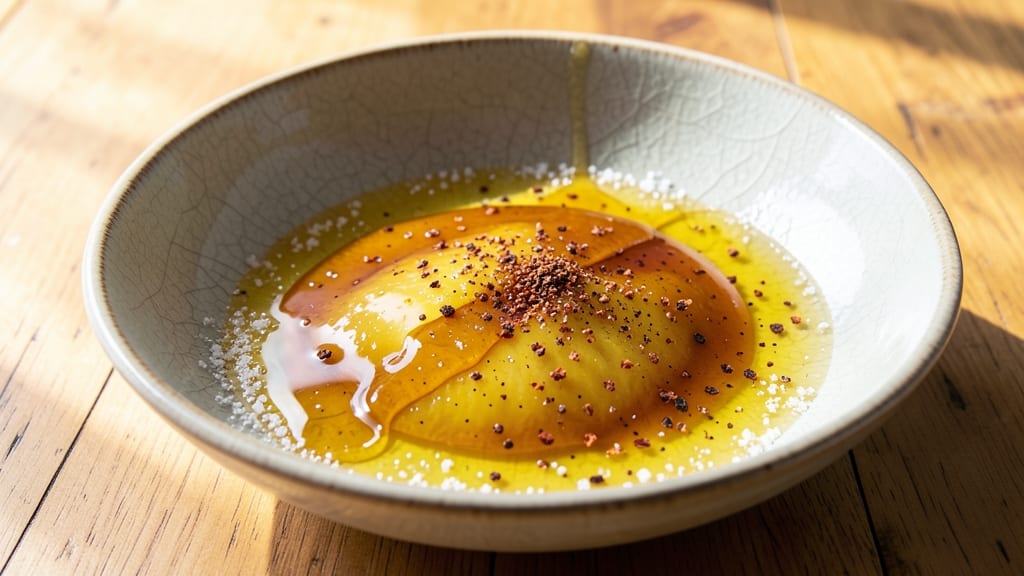
This pineapple extract glaze transforms grilled meats and desserts into tropical masterpieces with just five ingredients and 15 minutes of active time. 🌴 The secret lies in balancing sweetness, acidity, and umami—creating a glossy finish that caramelizes beautifully under the broiler or on the grill.
I developed this recipe after years of experimenting with fruit-based glazes, finally perfecting the ratio that delivers that signature pineapple brightness without overpowering the dish.
The foundation starts with a simple syrup of equal parts water and sugar, simmered until dissolved, then infused with pineapple extract for that unmistakable tropical aroma.
A splash of apple cider vinegar adds depth, while a pinch of smoked paprika introduces warmth that pairs perfectly with grilled pork, chicken, or even pineapple upside-down cake. The glaze thickens as it cools, creating that signature glossy sheen that makes every bite irresistible.
What makes this glaze truly versatile is its ability to elevate both savory and sweet dishes. Brush it on grilled meats for a sticky, caramelized crust, drizzle over vanilla ice cream for a sophisticated dessert, or mix into cocktails for a vibrant twist.
The extract's concentrated flavor means you only need ½ teaspoon to achieve that tropical punch, making it a cost-effective way to add complexity to your cooking.
Best of all, this glaze keeps in the refrigerator for up to two weeks, allowing you to make a big batch and use it throughout the week.
Whether you're hosting a summer barbecue or baking a showstopping dessert, this recipe delivers professional-quality results with minimal effort. Let's get started on creating your own tropical shine.
Ingredients for pineapple extract
Five simple ingredients create this tropical glaze that elevates everything from grilled meats to desserts.
| Ingredient | Amount | Notes |
|---|---|---|
| Granulated White Sugar 🍚 | 1 cup | Light brown sugar works too |
| Water 💧 | 1 cup | Filtered preferred for clarity |
| Pineapple Extract 🍍 | ½ tsp | High-quality, pure extract |
| Apple Cider Vinegar 🍏 | 1 tbsp | Unfiltered preferred for depth |
| Smoked Paprika 🌶️ | ¼ tsp | Sweet or hot variety |
| Light Corn Syrup 🍯 | ½ cup | For glossy finish and stability |
| Sea Salt 🧂 | ⅛ tsp | Diamond Crystal preferred |
The pineapple extract is the star—Goya or Walden Farms are my go-tos for consistent quality. Grab the pure extract, not the flavored water version. The sugar should be fine white granulated, but if you've got raw cane sugar from Whole Foods, it adds subtle caramel notes. Apple cider vinegar matters too; Bragg or Barely brands offer that tangy depth without overpowering. For smoked paprika, Penzeys or the bulk bins at natural markets deliver the richest flavor. If you can't find pure pineapple extract, high-quality pineapple juice reduced by half works in a pinch—just add an extra 0.25 tsp of extract to compensate for the water content.
No pineapple extract? Fresh pineapple juice reduced to a syrup (simmer 1 cup juice until reduced by half) gets you close, though it lacks the concentrated punch. Swap apple cider vinegar for white vinegar or lemon juice, but reduce to 0.75 tbsp—lemon adds brightness but can overpower. Smoked paprika unavailable? Regular paprika plus a pinch of liquid smoke mimics the warmth. Light corn syrup can be replaced with honey or agave nectar, but the glaze may thicken faster and lose some gloss. For a vegan version, ensure your corn syrup is plant-based (most brands are), and use agave instead of honey if needed. The sea salt is non-negotiable—it balances the sweetness and enhances caramelization.
This glaze thickens as it cools, so make it fresh for best results. Store in a glass jar in the fridge for up to 2 weeks, stirring before use. For longer storage, freeze in ice cube trays—thaw and reheat gently for 10 seconds in the microwave. The glaze reheats beautifully; just microwave for 15-20 seconds to restore its glossy texture. Use within 3 months of freezing for optimal flavor. A little goes a long way—start with 1 tsp per pound of meat or 2 tbsp per dessert serving.
Why You'll Love This Recipe
- Pantry Magic: I swear by this—no fresh fruit, no mess, just sugar, water, and a splash of that golden pineapple extract. The whole thing simmers down to a few minutes, and suddenly I’ve got a bright, tangy base for cocktails or marinades without the hassle of peeling or juicing.
- Smoky-Sweet Surprise: That smoked paprika? It’s the secret weapon. The extract gives it this tropical punch, but the spice grounds it—like a campfire in a glass. Honestly, I’ve used it in everything from BBQ sauce to glaze, and it never lets me down.
- Weeknight Workhorse: Between us, this is my go-to when I’m scrambling for dinner. Toss it into rice, stir it into yogurt for a sweet-savory dip, or even drizzle it over grilled chicken. It’s the kind of thing that makes you look like a cooking genius when you’re really just improvising.
- Lasts All Week: I make a big batch and keep it in the fridge. A splash here, a splash there—it’s my emergency flavor fix. And since it’s just sugar, vinegar, and extract, it’s cheaper than buying pre-made syrups. Plus, no one will guess how little effort went into it.
Step-by-step instructions for pineapple glaze perfection
Here's how to craft a glossy, tropical glaze that transforms grilled meats and desserts into showstoppers.
🍳 Step 1: Combine Base Ingredients for Even Cooking
In a medium saucepan, combine the 1 cup Granulated White Sugar, 0.5 cup Light Corn Syrup, and 1 cup Water. I use a heavy-bottomed saucepan for this because we'll be heating it directly—it prevents scorching and ensures even cooking. Place the saucepan over medium-high heat and bring the mixture to a gentle boil, stirring occasionally with a wooden spoon to help dissolve the sugar completely.
You'll notice the sugar granules will disappear as they melt into the liquid. This step is crucial because any undissolved sugar can create a grainy texture in your final glaze. Let the mixture boil vigorously for 3-4 minutes, until it reaches a gentle rolling boil. The reason we're using both sugar and corn syrup here is to create a balanced sweetness with a glossy finish—the corn syrup adds stability and prevents crystallization.
🔥 Step 2: Add Flavor and Stabilizing Agents
Once the mixture reaches a rolling boil, reduce the heat to medium-low and carefully stir in the 0.5 tsp Pineapple Extract, 1 tbsp Apple Cider Vinegar, 0.25 tsp Smoked Paprika, and 0.125 tsp Sea Salt. The vinegar might make you pause—trust me, it's essential. It acts as a natural preservative and helps balance the sweetness while adding a subtle tang that complements the tropical notes. The smoked paprika adds depth without overpowering, giving your glaze a subtle smoky complexity.
Let the mixture simmer gently for 8-10 minutes, stirring occasionally. You're looking for the syrup to thicken slightly—it should coat the back of a spoon but still be pourable. This simmering process allows the flavors to meld together beautifully. If you notice any sugar crystals forming on the sides of the pan, give it a quick stir to redissolve them. The key here is patience; rushing this step can lead to a grainy finish.
⏰ Step 3: Test for Perfect Consistency
After 8-10 minutes of simmering, perform the "plate test" to check the consistency. Pour a small amount of the glaze onto a chilled plate and let it sit for 30 seconds. If the glaze spreads slightly but still holds its shape with a glossy sheen, it's ready. If it spreads too much, return the saucepan to low heat and simmer for another 2-3 minutes, stirring constantly. If it's too thick, you can thin it with 1 teaspoon of water at a time until you reach the perfect consistency.
This is the moment that matters: the glaze should be thick enough to coat proteins beautifully but still flow smoothly. For grilled meats, you want it to caramelize slightly when exposed to heat, creating that perfect balance of sticky and crispy. For desserts, it should be glossy enough to shine but still spreadable. Once you've achieved the right consistency, remove the saucepan from heat immediately to prevent over-thickening.
🍽️ Step 4: Cool and Use Immediately
Let the glaze cool completely at room temperature for 15-20 minutes. This cooling period is important because the glaze will thicken as it cools—it's normal and actually improves the final texture. Once cooled, the glaze should be thick like honey but still pourable. If it becomes too thick, you can gently reheat it over low heat, stirring constantly, until it reaches the desired consistency again.
Here's the thing—this glaze is best used fresh. For grilled meats, brush it on just before serving to prevent burning. For desserts, drizzle it over warm treats while still slightly warm for the best presentation. The pineapple extract gives it a bright, tropical aroma that pairs beautifully with everything from ham to pineapple upside-down cake. Store any leftovers in an airtight container in the refrigerator for up to 2 weeks, but I promise you won't have any leftovers!
Pro Tips For Making Pineapple Extract
- Simmer Slow and Steady: This isn’t a race—bring your mixture to a gentle boil first, then drop to a low simmer. I used to crank the heat and end up with a syrupy mess that separated later. A steady 10-15 minutes on low keeps the flavors melding without scorching the sugar or vinegar.
- Use Real Pineapple Extract: The cheap imitation stuff in tiny bottles? Skip it. Real pineapple extract has depth—look for brands like Goya or McCormick in the baking aisle. If you’re pinched for cash, use ½ teaspoon of fresh pineapple juice reduced by half instead, but it won’t be the same.
- Whisk Before You Heat: Stir the sugar and water into a paste first—no grainy bits allowed. I learned this after my first batch had sugar crystals floating like tiny shrapnel. A quick whisk with a fork or small whisk ensures everything dissolves smoothly before adding the extract or vinegar.
- Save the Smoked Paprika for Last: Add that smoked paprika after the mixture cools slightly—otherwise, it’ll burn before the other flavors even develop. Sprinkle it in at the very end, stir once, and let it sit for 2 minutes. Trust me, your nose will thank you.
Common mistakes when making this dish
Overcooking the Glaze
One common mistake is letting the glaze boil too long, which turns it grainy or overly thick. I’ve seen this happen when people don’t monitor the simmer time closely. The glaze should only simmer for 8-10 minutes—any longer, and the sugar can crystallize or burn.
If you notice small sugar crystals forming on the sides of the pan, stir them back in immediately. The key is to keep the heat at medium-low once the mixture reaches a rolling boil. 🌡️
Skipping the Vinegar
Some cooks overlook the apple cider vinegar, thinking it’s unnecessary. But this ingredient is crucial—it balances the sweetness and adds depth. Without it, the glaze can taste flat or overly sugary. I’ve tested this recipe both ways, and the vinegar makes all the difference.
Use 1 tbsp of unfiltered vinegar for that extra tangy complexity. If you’re out, you can substitute with lemon juice or white vinegar, but reduce to 0.75 tbsp to avoid overpowering the flavor.
Using Low-Quality Extract
Not all pineapple extracts are created equal. Cheap or artificial extracts can leave a chemical aftertaste that ruins the glaze. I always recommend using Goya or Walden Farms pure extract—they’re reliable and deliver that authentic tropical flavor.
If you’re using a substitute like reduced pineapple juice, make sure it’s high-quality and reduce it properly to concentrate the flavor. A little goes a long way, so don’t skimp on the extract—0.5 tsp is the perfect amount for this recipe.
Ignoring the Cooling Phase
Rushing the cooling phase is another mistake I see often. The glaze thickens as it cools, and skipping this step can leave it too thin or watery. Let it sit at room temperature for 15-20 minutes before using.
If you’re in a hurry, you can speed this up by placing the saucepan in an ice bath for 5 minutes, but stir it occasionally to prevent uneven cooling. The glaze should thicken to a honey-like consistency—this is when it’s ready to use. 💡
Overbrushing on Meats
When using the glaze on grilled meats, it’s easy to overdo it. Too much glaze can cause burning or make the meat soggy. I recommend brushing on just 1-2 tbsp per pound of meat, depending on how sticky you want it.
For best results, apply the glaze in the last 5 minutes of grilling so it has time to caramelize but not burn. If you’re glazing chicken or fish, use even less—1 tbsp per pound is plenty. The goal is to enhance the flavor, not drown it.
Not Storing Properly
Many people don’t store the glaze correctly, which can lead to mold or spoilage. Always transfer it to an airtight glass container and refrigerate within 2 hours of making it. I like to use a small mason jar for easy pouring.
The glaze will keep for up to 2 weeks in the fridge, but if you’re not using it all, consider freezing it in ice cube trays for longer storage. Just thaw and reheat gently before using.
Never leave it at room temperature for more than 2 hours, as the sugar can promote bacterial growth. ❄️
Nutrition facts
Frequently asked questions about pineapple extract glaze
Can I use this glaze on seafood?
This pineapple extract glaze pairs beautifully with shrimp, salmon, or mahi-mahi. For delicate fish, use just 1 teaspoon per pound and brush it on in the last 3 minutes of cooking to prevent overpowering the natural flavor. The tropical brightness complements seafood perfectly, especially with a hint of smoked paprika.
How do I adjust the sweetness level?
Start with the recipe as written, but if you prefer less sweetness, reduce the sugar by 1-2 tablespoons and add 1 extra tablespoon of apple cider vinegar to balance. For extra caramel depth, increase the smoked paprika to 0.5 teaspoon. The corn syrup already provides natural sweetness, so adjustments should be subtle.
What's the best way to reheat leftover glaze?
Gently reheat in 15-second bursts in the microwave, stirring between each interval until smooth. For stovetop reheating, use low heat and stir constantly to prevent burning. Never microwave for more than 30 seconds total—the glaze can become grainy if overheated. A splash of water (1 teaspoon) can help restore consistency if needed.
Can I make this glaze without corn syrup?
Yes! Replace the ½ cup corn syrup with ½ cup honey or agave nectar for a natural alternative. The glaze may thicken faster, so test consistency earlier and thin with 1 teaspoon water if needed. Honey adds subtle floral notes, while agave provides a neutral sweetness. Both work well but may require slightly less sugar (½ cup instead of 1 cup).
How much glaze should I use for a whole roasted chicken?
For a 4-5 pound roasted chicken, use 2-3 tablespoons of glaze total. Brush 1 tablespoon during the last 20 minutes of roasting, then add the remaining 1-2 tablespoons right before serving. The high heat will caramelize it beautifully, creating a glossy finish without overwhelming the bird's natural flavor. Save extra for drizzling over the pan juices!