
Main Courses
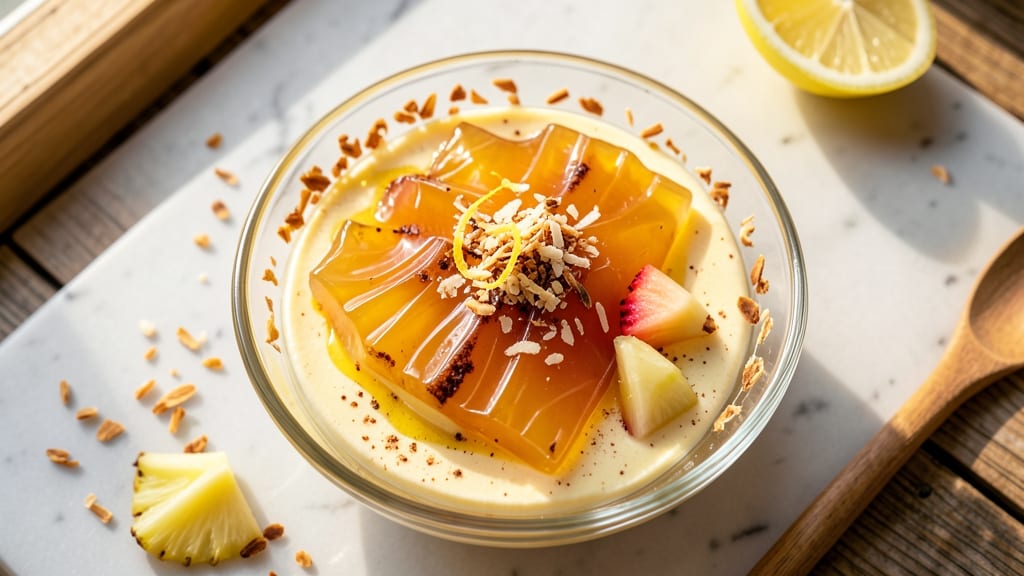
This pineapple gelatin recipe transforms simple ingredients into a refreshing, tropical dessert that feels lighter than air. The secret lies in balancing sweet pineapple juice with just the right amount of gelatin—creating layers that are firm yet delicate, with a citrusy brightness that cuts through the sweetness.
I developed this recipe after craving something cool and vibrant during summer afternoons, and it’s become a staple for parties or a quick treat when you need something special without the fuss.
The process is straightforward but requires patience for the perfect texture. You’ll start by blooming gelatin in cold water, then gently heating it with pineapple juice until fully dissolved. The key is letting it cool slightly before pouring into molds—this prevents cracking as it sets.
Once chilled, the result is a glossy, wobbly dessert with a clean finish, ready to be topped with whipped cream, toasted coconut, or fresh fruit for extra flair.
What makes this recipe stand out is its versatility—it works as a standalone dessert or as a refreshing palate cleanser between courses. The gelatin absorbs the pineapple’s natural sweetness while maintaining a light, almost jelly-like consistency that’s far from heavy.
It’s the kind of dessert that feels indulgent but is light enough for warm weather, and the bright citrus notes make it uniquely refreshing.
This recipe scales easily, so you can make it in individual cups for a party or a large tray for a crowd.
The chilling time is the only hurdle, but with just 30 minutes of active prep and 4 hours in the fridge, you’ll have a dessert that looks impressive with minimal effort. Let’s get started on creating this tropical delight that’s perfect for any occasion.
Ingredients for pineapple gelatin
Nine simple ingredients create a tropical dessert that’s light, refreshing, and perfect for summer gatherings.
| Ingredient | Amount | Notes |
|---|---|---|
| Unflavored Gelatin Powder 🍬 | 2 tbsp | Bloomed in cold water first |
| Fresh Pineapple Juice 🍍 | 1 ½ cups | Strain seeds for smooth texture |
| Granulated Sugar 🍚 | ½ cup | Adjust for tartness preference |
| Lemon Juice 🍋 | 1 tbsp | Freshly squeezed for brightness |
| Cold Water 💧 | ½ cup | For blooming gelatin |
| Toasted Coconut Flakes 🥥 | ¼ cup | For garnish (optional) |
| Heavy Whipping Cream 🥛 | ½ cup | Whipped for topping |
| Pineapple Chunks 🍍 | ½ cup | Fresh or canned (drained) |
| Vanilla Extract 🌿 | ½ tsp | Pure extract preferred |
| Salt 🧂 | ¼ tsp | Kosher or sea salt |
The gelatin is the foundation—Knox brand is my go-to because it blooms perfectly without lumps. Grab fresh pineapple juice from the store (like Dole or Del Monte)—it’s sweeter and brighter than canned juice. If you’re using fresh pineapple, strain the juice through a fine-mesh sieve to remove all pulp for that silky texture. The sugar balances the tartness, but taste your juice first—some brands are sweeter than others. Organic cane sugar dissolves more smoothly if you’re particular about texture.
No fresh pineapple juice? Coconut water works in a pinch, but it’s less sweet and more watery. Short on coconut flakes? Toasted almonds or crushed graham crackers add a nice crunch. The whipped cream should be stiff but not butter-like—cold bowl and whisk attachments make all the difference. For extra zing, add a pinch of lime zest to the gelatin mixture. The vanilla extract is subtle but essential—don’t skip it, even if you’re not a fan of vanilla flavor.
This dessert needs 4 hours in the fridge to set properly—no rushing! Store leftovers in an airtight container with a thin layer of juice on top to keep it moist. Portion into individual cups for easy serving at parties. The texture holds for 3 days in the fridge, but the flavor peaks within the first 24 hours. For a crowd, double the recipe and use a large shallow dish—it’s stunning when sliced into squares.
Why You'll Love This Recipe
- No-Fuss Setup: I swear by this recipe because it’s literally three steps: bloom the gelatin in cold water, heat the pineapple juice until it’s silky smooth, then stir in that bright lemon juice. No whisking, no straining—just pour, chill, and wait. The only tool you’ll need is a whisk (and maybe a timer).
- Tropical Brightness: That first sip? Pure sunshine in a glass. The fresh pineapple juice gives it a juicy sweetness, while the lemon juice cuts through the richness—like a vacation in your fridge. Honestly, it’s the kind of dessert that makes you forget it’s technically just gelatin.
- Party in a Glass: Between us, this is my go-to for potlucks, birthdays, or just because. It’s fancy enough to serve in pretty glasses but cheap enough to make in bulk—no one will guess it’s just five ingredients. (Yes, even on a Tuesday night.)
- Zero-Waste Leftovers: Make a big batch, and you’ll have a backup for days. The gelatin sets perfectly in molds, so I’ll often double the recipe and stash it in the fridge. Cold or at room temp, it’s still refreshing—no sad, watery desserts here. Budget-friendly? Absolutely.
Step-by-step instructions for pineapple gelatin
A refreshing tropical dessert comes together with precise technique and patience.
Bloom the Gelatin
In a small bowl, sprinkle the 2 tablespoons unflavored gelatin powder evenly over the ½ cup cold water. Let it sit for 5 minutes—you'll see the powder transform into tiny, translucent granules as it absorbs the water. This blooming process is crucial because dry gelatin won't dissolve properly in hot liquids.
Gently stir the mixture with a whisk or silicone spatula until fully combined. The texture should resemble a thick, grainy paste. Set this aside while you prepare the pineapple base—it will need to be heated to activate the gelatin properly. If you notice any dry powder remaining, add a few drops of water to ensure complete hydration.
Prepare the Pineapple Base
In a medium saucepan, combine the 1½ cups fresh pineapple juice, ½ cup granulated sugar, 1 tablespoon lemon juice, and ¼ teaspoon salt. Stir over medium heat until the sugar dissolves completely—this should take about 3 minutes. The mixture should smell vibrant and sweet, with a bright citrus note from the lemon.
Once the sugar is fully incorporated, remove the saucepan from heat and carefully whisk in the bloomed gelatin mixture. The gelatin will begin to dissolve immediately as it hits the warm liquid. Return the pan to low heat and stir constantly for 2-3 minutes until the mixture becomes completely smooth and transparent. This step ensures the gelatin fully activates without forming lumps.
Strain and Chill the Mixture
Line a fine-mesh strainer with cheesecloth or a coffee filter and pour the pineapple mixture through it into a clean bowl. This removes any potential pulp or seeds that could make the gelatin cloudy. Discard the solids in the strainer—you want a perfectly clear, smooth base.
Pour the strained mixture into four 4-ounce gelatin molds (or a single large dish if making one serving). Tap the molds gently on the counter to remove any air bubbles that might form. Cover the molds with plastic wrap and refrigerate for 4-6 hours or until fully set. The gelatin should have a firm, jelly-like consistency when you gently press the center with a finger—it should hold its shape without wobbling.
Assemble the Tropical Dessert
While the gelatin sets, whip the ½ cup heavy whipping cream until it forms soft peaks. In a small bowl, mix the ½ teaspoon vanilla extract with the cream, then gently fold in the ½ cup pineapple chunks. This creates a light, airy topping that contrasts beautifully with the firm gelatin.
Once the gelatin is fully set, carefully unmold it onto a serving plate. Spoon the whipped cream mixture over the top, creating a swirl pattern for visual appeal. Sprinkle the ¼ cup toasted coconut flakes evenly over the cream, pressing them lightly into the surface so they stay in place. Serve immediately for the best texture contrast between the cool gelatin and creamy topping.
Serve and Enjoy
Slice the gelatin into diamonds or cubes for easy serving. The dessert should have a bright, tangy flavor from the pineapple and lemon, with a subtle sweetness from the sugar. The texture should be firm yet silky, melting gently on the tongue. Garnish each serving with an extra sprinkle of toasted coconut flakes for added crunch and visual appeal.
This dessert is best enjoyed chilled, so prepare it ahead of time if possible. The flavors deepen as it sits, making it an ideal make-ahead option for gatherings or a refreshing treat on a warm day. Pair with a sprig of fresh mint for an extra touch of elegance.
Pro Tips For Making Pineapple Gelatin
- Bloom the Gelatin Right: Dump the powder into cold water and let it sit for at least 5 minutes before heating—not the 30 seconds you’ll want to rush through. I learned this the hard way when my gelatin turned grainy because I tried to mix it into hot liquid too soon. Patience here means a silky texture, not a sad, lumpy mess.
- Strain That Juice: Fresh pineapple juice is gorgeous, but if you skip straining it, you’re risking bits of pulp clogging your gelatin’s set. Use a fine-mesh sieve or cheesecloth—yes, it’s an extra step, but your final product will look polished and set properly. (And no, you can’t just blend it and call it smooth.)
- Weigh Your Sugar: Granulated sugar packs differently, and eyeballing it leads to either a syrupy mess or a bland, watery gelatin. Use a kitchen scale for the exact ratio—usually 1:1 with your juice by weight. Trust me, your taste buds will notice the difference when the sweetness balances perfectly with the tartness.
- Chill the Molds Slowly: Popping your gelatin into the fridge at full blast? That’s how you get cracks. Instead, place the filled molds in the freezer for 10 minutes first, then finish chilling in the fridge. The slow transition prevents shrinking and keeps the edges clean—no one wants a gelatin that looks like it’s been through a war.
Best sauces and condiments for this dish
Creamy Coconut Sauce
This rich sauce adds a velvety tropical layer that complements the bright pineapple gelatin beautifully. Heat ½ cup coconut milk with 1 tablespoon honey and ½ teaspoon lime zest until warm, then whisk in 1 tablespoon cornstarch mixed with 1 tablespoon water.
Simmer for 2-3 minutes until thickened. Pour over the gelatin just before serving for a decadent contrast. 🥥
Spiced Pineapple Syrup
Elevate your gelatin with a drizzle of this aromatic syrup. Combine ½ cup pineapple juice, 1 cinnamon stick, 2 star anise pods, and 1 tablespoon brown sugar in a small saucepan.
Simmer for 5 minutes, then strain. Drizzle over the gelatin or use as a glaze for the pineapple chunks in the whipped cream topping. The warm spices balance the dessert's tartness perfectly.
Mango Purée Drizzle
For a fruity twist, blend ½ cup ripe mango with 1 tablespoon lime juice until smooth. Strain through a fine-mesh sieve to remove any fiber. Drizzle lightly over the gelatin before serving—this adds a subtle sweetness and vibrant color.
If you prefer a thicker texture, reduce the purée by simmering for 5 minutes before straining. 🍈
Lime-Cream Cheese Spread
Create a tangy spread by mixing 4 oz cream cheese softened with 1 tablespoon lime juice and 1 tablespoon honey. Spread a thin layer over the gelatin before adding the whipped cream topping.
This adds a creamy, zesty dimension that pairs wonderfully with the tropical flavors. For extra flair, sprinkle with toasted coconut flakes before serving.
Honey-Lime Glaze
This quick glaze enhances the gelatin's natural sweetness. Whisk together 2 tablespoons honey, 1 tablespoon lime juice, and ½ teaspoon vanilla extract. Drizzle over the gelatin just before serving to add a glossy finish and bright citrus note.
The glaze also helps the coconut flakes stick to the whipped cream topping. Use within 1 hour of making to prevent crystallization. 🍯
Nutrition facts
Frequently asked questions
Can I use canned pineapple juice instead of fresh?
Yes, but expect a slightly less vibrant flavor. Canned juice often contains preservatives and may have a more muted taste. For best results, use 100% pure pineapple juice (like Tropicana or Del Monte) and add an extra ½ teaspoon of lemon juice to brighten the flavor. Avoid juices with added sugar or artificial flavors.
Why did my gelatin turn out too soft or wobbly? This usually happens when the gelatin wasn't fully bloomed or the mixture was heated too long.
How can I make this recipe vegan?
Replace the gelatin with 1 tablespoon agar-agar powder (a plant-based thickener) mixed with ½ cup water. Boil the mixture for 2 minutes, then strain and combine with the pineapple juice as directed. Chill for 2 hours instead of 4, as agar sets faster. The texture will be firmer and slightly chewier.
Can I make this ahead of time?
This dessert actually tastes better when made a day in advance. Prepare it up to 24 hours ahead and store in an airtight container in the fridge. The flavors meld beautifully, and the texture remains perfect. Just add fresh toppings (like whipped cream) right before serving to keep them light and airy.
What if I don’t have gelatin molds?
No problem! Use small ramekins, silicone cupcake liners, or even a loaf pan lined with plastic wrap. For a fun presentation, pour the mixture into a shallow dish and let it set, then cut into squares or diamonds with a sharp knife dipped in hot water. The hot knife creates clean edges and makes slicing easier.