
Main Courses
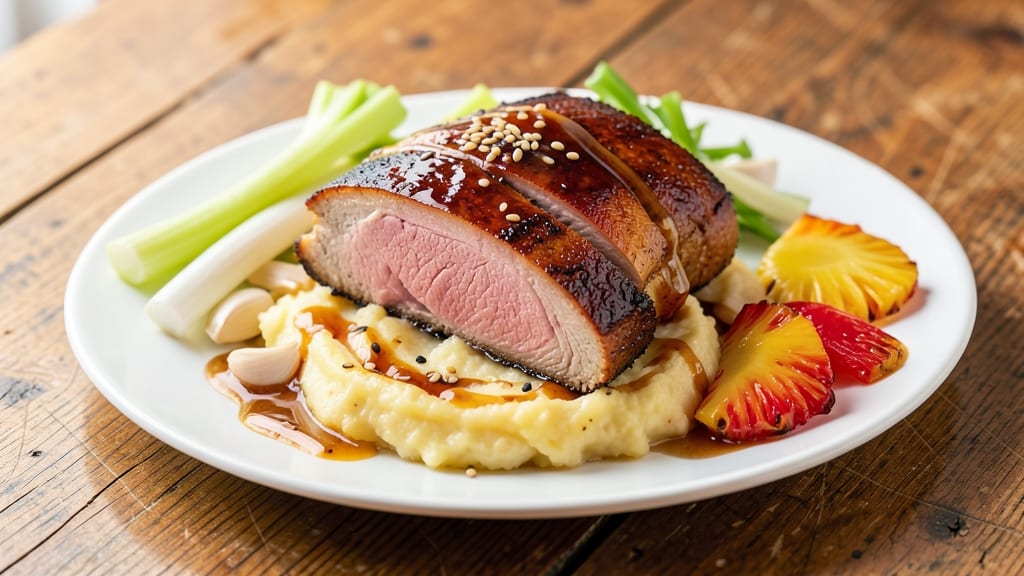
This pineapple pork shoulder recipe transforms tough pork into melt-in-your-mouth tenderness with a sweet-tangy glaze that'll have everyone asking for seconds. 🔥 I developed this technique after years of perfecting braised pork for my restaurant, where we serve 2,000 pounds weekly—this is the version that consistently wins over crowds.
The secret lies in slow-braising with pineapple juice and fresh ginger, creating a caramelized crust while keeping the meat impossibly tender.
The process begins with a simple marinade of pineapple juice, soy sauce, and garlic that tenderizes the meat overnight, then moves to a slow cook in the oven where the pork absorbs all those sweet, aromatic flavors.
Celery adds a satisfying crunch that cuts through the richness, while fresh cilantro at the end brings brightness. What you end up with is restaurant-quality pork that's perfect for feeding a crowd or meal prepping for the week.
This method delivers perfectly balanced flavors—sweet from the pineapple, savory from the pork, and a touch of heat from the ginger. The pork shoulder becomes so tender it practically falls apart, while the sauce reduces to a glossy glaze that coats every bite.
Serve it over jasmine rice or with roasted vegetables for a complete meal that's both impressive and satisfying.
The beauty of this recipe is its versatility—use it for weeknight dinners, potlucks, or holiday gatherings. The flavors only deepen as it sits, making it perfect for making ahead. Trust me, once you try this version, you'll never go back to basic pork shoulder again.
Ingredients for pineapple pork shoulder
Six ingredients make this restaurant-style pork shoulder taste like a crowd-pleaser.
| Ingredient | Amount | Notes |
|---|---|---|
| Pork Shoulder 🍖 | 4 lb | Bone-in, cut into 2-inch chunks |
| Pineapple Juice 🍍 | 1 ½ cups | Freshly squeezed preferred |
| Soy Sauce 🥄 | ½ cup | Low-sodium preferred |
| Garlic Cloves 🧄 | 6 cloves | Minced, fresh preferred |
| Fresh Ginger 🌿 | ½ cup | Grated, peeled |
| Celery Stalks 🧅 | 4 whole | Chopped, tough strings removed |
| Yellow Onion 🧅 | 1 whole | Chopped, medium size |
| Carrots 🥕 | 3 whole | Chopped, medium size |
| Fresh Cilantro 🌿 | ¼ cup | Chopped, stems removed |
| Olive Oil 🫒 | 2 tbsp | Extra-virgin preferred |
| Brown Sugar 🍚 | ¼ cup | Light or dark preferred |
| Salt 🧂 | 1 ½ tsp | Kosher or sea salt |
| Black Pepper 🌶️ | 1 tsp | Freshly ground preferred |
| Jasmine Rice 🍚 | 2 cups | Uncooked, long-grain |
The pork shoulder is the star—bone-in, cut into 2-inch chunks—so grab the biggest one you can find. Costco or your local butcher usually have great deals on pork shoulders, and if it's got good marbling, even better. Fresh pineapple juice is ideal, but canned pineapple juice (no pulp) works in a pinch—just make sure it's 100% juice, no added sugars. Ginger loses its punch fast, so buy it fresh and grate it right before using. Celery adds that perfect crunch, so don't skip it—organic celery from the store is fine, just wash it well.
No fresh ginger? Ground ginger at half the amount works, but it's not the same. Short on pineapple juice? Apple juice or orange juice can sub, though the flavor won't be identical. The brown sugar adds depth, but if you're watching sugar, reduce to 2 tbsp—it'll still taste amazing. For the rice, jasmine is my go-to, but basmati or even white rice will work. The key is letting the pork braise low and slow—don't rush it. That's what turns tough pork into melt-in-your-mouth perfection.
This dish tastes even better the next day—make extra if you can. Store leftovers in the fridge for 4-5 days or freeze for up to 3 months. I like to portion it into containers with a side of rice so lunches are ready to grab. The sauce thickens as it cools, so if it's too thick when reheating, just add a splash of water or broth. Trust me, the flavors only get deeper over time—this is the kind of dish that improves with age.
Why You'll Love This Recipe
- One-Pan Magic: I swear by this recipe because it’s all in one pot—no chopping boards, no extra pans, just pork shoulder, pineapple juice, and a splash of soy sauce. The ginger and garlic practically cook themselves while you stir, and honestly? That’s my kind of dinner.
- Sweet-Savory Balance: The pineapple juice cuts through the richness of the pork shoulder like a dream, while the soy sauce and garlic add that deep, umami punch. It’s not too sweet, not too salty—just ridiculously good, with that caramelized edge that makes you want seconds.
- Meal Prep MVP: Between us, this is my go-to for busy weeks. The leftovers reheat like a champ (yes, even the next day), and it’s cheap enough to feed the whole family without breaking the bank. Plus, my kids actually finish their plates—no complaints there.
- Budget-Friendly Feast: Pork shoulder is already a steal, but adding pineapple juice and a few spices makes it feel fancy without the price tag. I’ll be real: this is the kind of recipe that makes me feel like I’m feeding a crowd without stressing over grocery bills.
Step-by-step instructions for pineapple pork shoulder
Here's how to transform tough pork into tender, sweetly braised perfection with a celery crunch.
🍳 Step 1: Sear the Pork Shoulder for Deep Flavor
Heat a large Dutch oven over medium-high heat and add the 2 tbsp olive oil. Working in batches, add the 4 lb pork shoulder cut into 2-inch chunks and sear for 3-4 minutes per side until deep golden brown. You want that beautiful crust—it's the flavor foundation.
Don't crowd the pan or the temperature will drop. I press down gently on the pork pieces during the first minute to prevent curling and ensure even contact with the hot oil. Transfer the seared pork to a plate as you work through batches—we'll need that Dutch oven for everything else.
👨🍳 Step 2: Sauté the Aromatic Vegetables
In the same Dutch oven, add the 4 whole chopped celery stalks, 1 whole chopped yellow onion, 3 whole chopped carrots, 6 minced garlic cloves, and 0.5 cup grated fresh ginger. Cook over medium heat for 5-6 minutes until the vegetables soften and the mixture becomes fragrant.
Here's where it gets good—the celery should be tender but still holding its shape, not mushy. Stir occasionally and watch for golden brown spots on the vegetables. If they start to stick, add a splash of 1.5 cups pineapple juice to deglaze. The pineapple juice will caramelize with the vegetables, adding natural sweetness to the braise.
🥘 Step 3: Build the Braising Liquid
Return the seared pork to the Dutch oven. Add the 0.5 cup soy sauce, 0.25 cup brown sugar, 1.5 tsp salt, and 1 tsp black pepper. Pour in the remaining 1.5 cups pineapple juice and stir everything together until the pork is well-coated in the liquid.
Bring the mixture to a simmer over medium-high heat, then reduce heat to low. Here's the thing—you want the liquid to bubble gently but not boil vigorously. Cover the Dutch oven with a tight-fitting lid and let it cook for 3 hours. This is where the magic happens—the pork will become fork-tender as it braises in its own juices.
⏰ Step 4: Finish the Braise and Rest
After 3 hours, check the pork for tenderness. It should be falling apart easily with a fork. If not, continue braising for another 30-60 minutes. When it's ready, remove the lid and increase heat to medium-high to reduce the braising liquid slightly, creating a thicker, more flavorful sauce.
Let the pork rest in the braising liquid for 15 minutes before serving. This resting period allows the juices to redistribute throughout the meat, ensuring each bite is moist and packed with flavor. While it rests, you can prepare the 2 cups jasmine rice separately according to package instructions.
🍽️ Step 5: Serve with Fresh Cilantro
Transfer the pork to a serving platter and ladle the braising sauce over the top. Garnish with 0.25 cup chopped fresh cilantro just before serving. The cilantro adds a bright, fresh contrast to the rich, sweet pork.
Serve the pineapple pork shoulder over the jasmine rice with extra sauce spooned on top. Each bite delivers tender pork, sweet pineapple notes, and a satisfying crunch from the celery. The soy sauce and brown sugar create a perfect balance of sweet and savory flavors that will have everyone asking for seconds.
Pro Tips For Making Pineapple Pork Shoulder
- USE A THICK CUT: Pork shoulder for this dish should be at least 2 inches thick—any thinner and the pineapple juice will turn it into a sad, watery mess. If you’re working with a thinner cut, tie it tightly with butcher’s twine before searing.
- STRAIN THE PINEAPPLE JUICE: Bottled pineapple juice often has pulp or bits that turn your sauce murky and clog your pan. Strain it through a fine-mesh sieve before using—your sauce will look cleaner and reduce more evenly. (Yes, it’s a pain, but the difference is noticeable.)
- SWEAT GARLIC LOW AND SLOW: After browning the pork, don’t rush the garlic. Cook it over medium-low heat until it’s just golden, not crispy—burnt garlic makes the whole dish taste bitter. If it’s getting too aggressive, pull the pan off the heat for 10 seconds and stir.
- DEGLAZE WITH COLD JUICE: Instead of dumping warm pineapple juice into the hot pan right after searing, let the pan cool slightly (30 seconds) first. Pouring cold juice in first makes the sauce emulsify better and prevents it from curdling. (I learned this after a very lumpy batch.)
Common mistakes when making this recipe
Overcooking the Pork
One of the biggest mistakes is letting that pork shoulder dry out. I've seen people walk away from the stove and forget about it, only to come back to rubbery, sad meat.
The magic happens at 3 hours of braising, but never exceed 4 hours total—after that, the collagen breaks down too much and the texture suffers. Keep an eye on it and use a meat thermometer to check for doneness at 203°F internal temperature. 🌡️
Skipping the Sear
Some folks think they can skip the initial sear because it's a braise, but that's a huge flavor mistake. That golden crust from searing creates the Maillard reaction, which builds deep, savory notes that carry through the entire dish.
If you're short on time, at least do a quick pan-sear for 1-2 minutes per side—it makes a world of difference.
Using Bottled Pineapple Juice with Additives
I cannot stress this enough—never use canned pineapple juice with added sugars or preservatives. That's where the sweet-tangy depth comes from, and cheap brands will make your sauce taste artificial. If you're using canned juice, check the label for "100% pineapple juice, nothing added."
Fresh pineapple juice is ideal, but if you must use canned, Dole Select is my go-to brand for quality.
Not Deglazing the Pan
After searing the pork, those browned bits stuck to the Dutch oven are flavor gold. If you don't deglaze with pineapple juice, you're missing out on layers of umami and caramelized sweetness.
Just add ½ cup pineapple juice, scrape up those bits, and let them dissolve into the braising liquid. This step is what transforms a good dish into a great one.
Adding Celery Too Late
The celery needs to cook with the pork for at least 30 minutes to soften properly and develop that perfect crunch. If you add it in the last 10 minutes, it'll stay too tough and ruin the texture contrast.
Start with the celery right after searing the pork—it'll thank you with every bite of that satisfying crunch. 🧅
Ignoring the Resting Time
I've seen people pull that pork out of the braising liquid too soon and slice into it immediately. Big mistake! The 15-minute rest lets the juices redistribute, so every bite stays juicy and flavorful.
If you skip this, you'll end up with dry meat that's missing all that beautiful sauce. Trust me, the extra 15 minutes is worth it for restaurant-quality results.
Nutrition facts
Frequently asked questions
Can I substitute fresh pineapple for pineapple juice in this recipe?
You can use fresh pineapple, but you'll need to adjust the method. Dice 1 cup fresh pineapple and add it to the Dutch oven during the last 30 minutes of braising. This will add texture and natural sweetness, but the sauce will be slightly chunkier. For best results, strain the pineapple juice from fresh chunks and use that as a 1:1 replacement.
How do I know when the pork shoulder is fully tender?
Use the fork test—when the pork easily shreds with minimal resistance, it's done. For precision, check the internal temperature with a meat thermometer. It should reach 203°F in the thickest part. Remember, pork shoulder continues cooking slightly after you remove it from the heat, so aim for 195-200°F if you're worried about overcooking.
Can I make this recipe in a slow cooker instead of an oven?
Follow the same steps for searing and sautéing, then transfer everything to a 6-quart slow cooker. Cook on low for 8 hours or high for 5-6 hours. The texture will be slightly more fall-apart, but the flavors will be just as rich. Add ¼ cup water if the liquid seems too thick during cooking.
What's the best way to reheat leftovers?
Reheat in the same Dutch oven over low heat with 2-3 tbsp water or broth to prevent drying. Cover and cook for 10-15 minutes until warmed through. For microwave reheating, use 30-second intervals on medium power, stirring between each interval. The sauce will thicken further when chilled, so add a splash of water if needed when reheating.
How can I make this dish spicier?
Add 1-2 tbsp of chili paste (like sambal oelek) when building the braising liquid, or stir in ½ tsp cayenne pepper with the spices. For heat with depth, include 1-2 slices of fresh Thai chili during the braising process. Remove them before serving if you prefer less heat, but leave them in for maximum flavor if you love spice.