
Sauces & Condiments
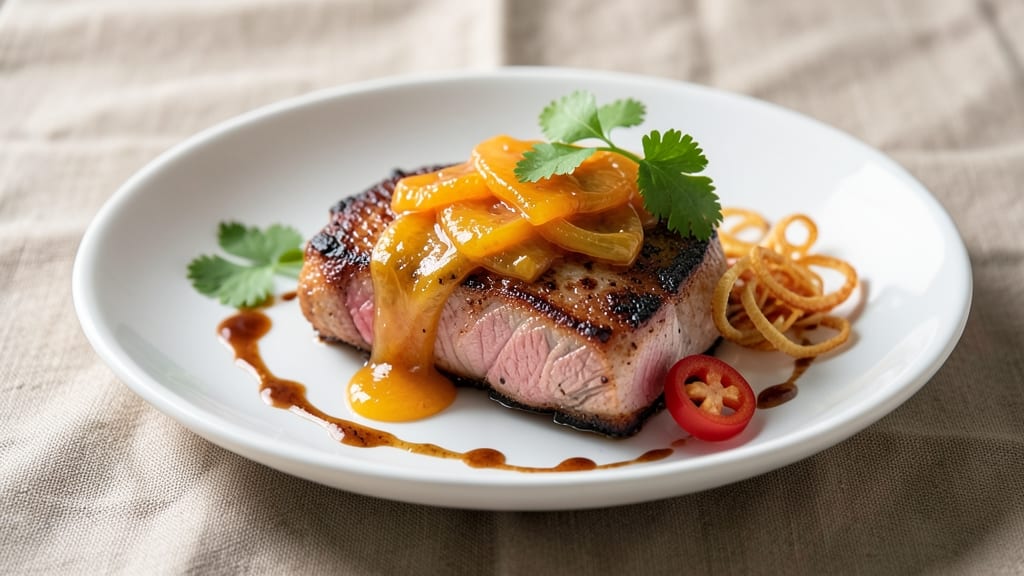
This pineapple sauce recipe for pork transforms ordinary roasts into tropical masterpieces with just 15 minutes of active time. The secret lies in balancing sweet pineapple juice with vinegar's tang and celery pepper's sharp bite—creating a glaze that caramelizes beautifully on pork while cutting through rich, fatty cuts.
I developed this after years of experimenting with Asian-inspired sauces, and it's now my go-to for everything from grilled chops to slow-cooked pork belly.
The sauce's magic comes from its dual nature: it works as both a marinade (tenderizing pork) and a finishing glaze (adding sticky, caramelized flavor). You'll need just 6 ingredients—pineapple juice, vinegar, sugar, celery seeds, black pepper, and a touch of soy sauce—all combined in a single pot.
The celery seeds add earthy depth without overpowering the tropical sweetness, while the black pepper brings a subtle heat that complements pork's natural richness.
What you'll end up with is a glossy, amber sauce that clings to pork like a second skin—sweet enough to satisfy, tangy enough to brighten, and aromatic enough to make your kitchen smell like a Hawaiian luau.
The sauce thickens as it reduces, creating pockets of caramelized flavor that contrast perfectly with pork's savory notes. It's the kind of condiment that turns a simple weeknight dinner into a restaurant-worthy experience.
Best of all, this sauce keeps beautifully in the refrigerator for up to 10 days, making it perfect for meal prep. Use it to glaze pork chops before grilling, drizzle it over pulled pork sandwiches, or serve it as a dipping sauce with spring rolls.
The possibilities are endless, but the technique remains simple—just simmer, reduce, and taste as you go. Here's how to make it perfectly every time.
Ingredients for pineapple sauce recipe for pork
Six ingredients that transform pork into a tropical masterpiece with caramelized perfection.
| Ingredient | Amount | Notes |
|---|---|---|
| Fresh Pineapple Juice 🍍 | 1 cup | Freshly squeezed for vibrant flavor |
| White Vinegar 🍶 | ½ cup | Distilled or apple cider preferred |
| Granulated Sugar 🍚 | ½ cup | Light brown sugar for caramel notes |
| Celery Seeds 🌿 | 1 tbsp | Ground for earthy depth (whole seeds work too) |
| Ground Black Pepper 🌶️ | ½ tsp | Freshly cracked for subtle heat |
| Light Soy Sauce 🍶 | 1 tbsp | Kikkoman preferred for balance |
The pineapple juice is non-negotiable—canned pineapple juice works in a pinch, but fresh is where the magic happens. Look for Dole or Del Monte crushed pineapple in the juice aisle (not the syrup) for the best flavor. White vinegar should be distilled or apple cider—avoid the cheap stuff with weird additives. The celery seeds are the secret weapon here; Trader Joe's bulk section has the best quality at a great price. For the sugar, light brown sugar adds subtle caramel undertones that pair beautifully with pork. If you can't find it, regular granulated sugar works, but you'll miss that depth.
No fresh pineapple juice? Coconut water stretches it nicely—just add a splash of lime juice to balance. Running out of vinegar? Lemon juice works at double the amount, but it'll make the sauce slightly more citrus-forward. The soy sauce can be swapped for coconut aminos if you're avoiding sodium. Celery seeds hard to find? Ground celery salt at half the amount gives similar earthiness. For a smokier profile, add a pinch of smoked paprika—it plays surprisingly well with the tropical flavors. The black pepper should be freshly cracked; pre-ground loses its punch quickly.
This sauce thickens as it reduces, so don't walk away—constant stirring is key for even caramelization. Store in a glass jar with a tight seal in the fridge for up to 10 days. The flavor actually improves after the first day as the ingredients meld. For meal prep, make a double batch—it's perfect for glazing pork chops, drizzling over pulled pork, or serving as a dipping sauce with spring rolls. Freeze extras in ice cube trays for single-use portions later.
Why You'll Love This Recipe
- Pantry Magic: I swear by this sauce because it uses stuff I already have—no special shopping trips. That tangy vinegar and bright pineapple juice cut through the richness of pork like a knife, and the celery seeds add this subtle, unexpected depth that makes it taste like a restaurant dish.
- Sweet-Tart Balance: Between us, this isn’t your basic sweet glaze. The sugar caramelizes just enough to coat the pork, but the vinegar keeps it sharp—like a fruity wake-up call. Add a pinch of black pepper at the end, and suddenly, your pork has character.
- Weeknight Workhorse: I’ve drizzled this over grilled pork chops, tossed it with stir-fried ribs, and even slathered it on leftover roast pork sandwiches. It’s the kind of sauce that turns a simple protein into something special without requiring a 10-step process.
- Leftovers That Shine: Here’s what sold me—this sauce actually improves the next day. The flavors meld, and it thickens just enough to cling to pork like a second skin. Store it in the fridge for up to a week, and you’ve got a ready-made flavor booster for any meal. Budget-friendly? Absolutely.
Step-by-step instructions for tropical pineapple glaze
Here's how to craft a vibrant, balanced sauce that cuts through rich pork with bright acidity and subtle depth.
Combine Base Ingredients in a Saucepan
In a medium saucepan, pour in the 1 cup fresh pineapple juice and 0.5 cup white vinegar. I like to use freshly squeezed pineapple juice for that vibrant tropical flavor—it makes all the difference. Add the 0.5 cup granulated sugar and stir until it dissolves completely, creating a smooth liquid base.
Bring the mixture to a gentle simmer over medium heat. You'll know it's ready when small bubbles form around the edges and the liquid shimmers slightly. Let it cook for 5 minutes to allow the sugar to fully incorporate and the flavors to begin melding together.
Add Aromatics and Build Flavor
Reduce the heat to low and sprinkle in the 1 tablespoon celery seeds and 0.5 teaspoon ground black pepper. Stir gently to distribute the spices evenly throughout the sauce. The celery seeds will add an earthy, slightly nutty depth that pairs beautifully with the sweetness of the pineapple.
Let the sauce simmer for another 3-4 minutes, stirring occasionally. You'll notice the aroma becoming more complex—sweet, tangy, and with a hint of warmth from the pepper. This is where the magic happens, as the spices infuse into the liquid and the flavors start to harmonize.
Incorporate Soy Sauce and Reduce
Pour in the 1 tablespoon light soy sauce and stir well to combine. The soy sauce adds a savory umami note that balances the sweetness and acidity, creating a well-rounded flavor profile. Increase the heat to medium-low and let the sauce reduce for 8-10 minutes, stirring occasionally.
As the sauce reduces, it will thicken slightly and become more concentrated. You're looking for a glossy, syrupy consistency that will cling beautifully to your pork. If the sauce reduces too quickly, you can reduce the heat slightly to control the process—just keep an eye on it to avoid burning.
Test for Perfect Balance
Taste the sauce and adjust the seasoning as needed. If it needs more sweetness, add a pinch of sugar. If it needs more acidity, add a splash of vinegar. The sauce should be bright, tangy, and slightly sweet with a subtle savory depth from the soy sauce and celery seeds.
Once you're satisfied with the flavor, remove the sauce from heat and let it cool slightly. This sauce is best used warm or at room temperature, so it will cling perfectly to your pork without making it soggy. If you're not using it immediately, you can store it in an airtight container in the refrigerator for up to 1 week.
Pro Tips For Making Pineapple Sauce Recipe For Pork
- Strain Twice: The first strain removes pulp, but the second—after chilling the juice for 10 minutes—catches the fine bits that make your sauce cloudy. I learned this after serving a sauce that looked like liquid mud; now it’s crystal clear.
- Simmer Slow: Low heat is your friend here—boiling turns vinegar sharp and sugar grainy. Keep it at a gentle bubble, like a lazy simmer, and taste every 5 minutes once the sugar dissolves. Rushing this step ruins the balance.
- Toast the Seeds: Dry-toast celery seeds in a small pan for 30 seconds before adding them to the sauce—they’ll release their aroma instead of floating as bitter specks. I was skeptical until I tried it; now it’s non-negotiable.
- Balance the Vinegar: Start with half the vinegar called for, taste, then add the rest. Too much upfront makes the sauce taste like a pickle bath. Adjust as you go—this sauce should taste bright, not sour.
Storing and reheating this recipe
Refrigerator Storage
Store your pineapple sauce in a glass jar with a tight-sealing lid—I swear by Ball mason jars for their airtight fit. Keep it refrigerated at 40°F or below for up to 10 days, though I’ve found the flavor actually deepens after 24 hours as the ingredients meld.
The vinegar and sugar create a natural preservative effect, so you won’t need to worry about spoilage. 💡
Freezer Preservation
For longer storage, portion the sauce into ice cube trays and freeze. Once solid, transfer the cubes to a freezer-safe bag with 1 inch of headspace to prevent cracking. This method works perfectly for single-use portions—just thaw overnight in the fridge before using.
The sauce retains its vibrant flavor for up to 3 months without losing its tropical brightness. ❄️
Reheating Methods
To revive the sauce’s glossy texture, reheat in a small saucepan over low heat with 1 tablespoon water to prevent sticking. Stir constantly for 3-5 minutes until warm—this helps restore its syrupy consistency.
Avoid microwaving, as it can make the sauce grainy. For quick use, a 30-second zap on 50% power works in a pinch, but I prefer stovetop for the best results. 🔥
Reviving Stored Sauce
If your refrigerated sauce has thickened too much, thin it with 1 teaspoon water or pineapple juice while reheating. The celery seeds and pepper will settle at the bottom, so give it a quick stir before using.
Pro tip: Add a pinch of sugar if the sauce tastes too tangy after storage—the flavors shift slightly over time. Always taste as you go! ✨
Meal Prep Strategy
Double the batch and store half in the fridge for weekly pork glazes while freezing the other half. Label containers with the date—this sauce keeps its peak flavor for 7 days refrigerated or 3 months frozen.
I like to prep it the night before grilling pork chops, so it’s ready to glaze while the meat rests. The extra effort saves time during busy weeknights! 📅
Nutrition facts
Frequently asked questions
Can I substitute fresh pineapple juice with canned?
Yes, but there's a difference! Canned pineapple juice works in a pinch, but fresh juice has brighter, more vibrant flavors. For the best results, use 100% pineapple juice (not syrup or crushed pineapple) and add 1 teaspoon of lime juice to mimic the fresh acidity. The sauce will still taste delicious, though.
How do I adjust the sweetness for different pork cuts?
Lean cuts like pork chops need the full 0.5 cup sugar for balance, while fatty cuts like pork belly can handle 0.25 cup less sugar since the fat already adds richness. For extra sweetness, reduce by 1-2 minutes longer to concentrate flavors. Always taste as you go!
Why did my sauce turn cloudy after refrigerating?
This happens when the sugar doesn't fully dissolve during cooking. Next time, stir constantly while bringing to a simmer to ensure complete dissolution. If it happens, simply reheat the sauce gently with 1 teaspoon water to restore clarity. The flavor won't be affected!
Can I make this sauce without vinegar?
You can use lemon juice or lime juice instead, but increase the amount to 0.75 cup (double the vinegar quantity). The sauce will have a more citrus-forward profile, but the tropical-pork pairing will still work beautifully. The acidity is crucial for balancing the sweetness!
What's the best way to use this sauce with pork?
For grilled pork chops, brush on during the last 2-3 minutes of cooking. For roasted pork belly, glaze during the final 10 minutes at 400°F for caramelization. It also works as a dipping sauce for spring rolls or a marinade—just add 1 tablespoon to pork before cooking.