
Sauces & Condiments
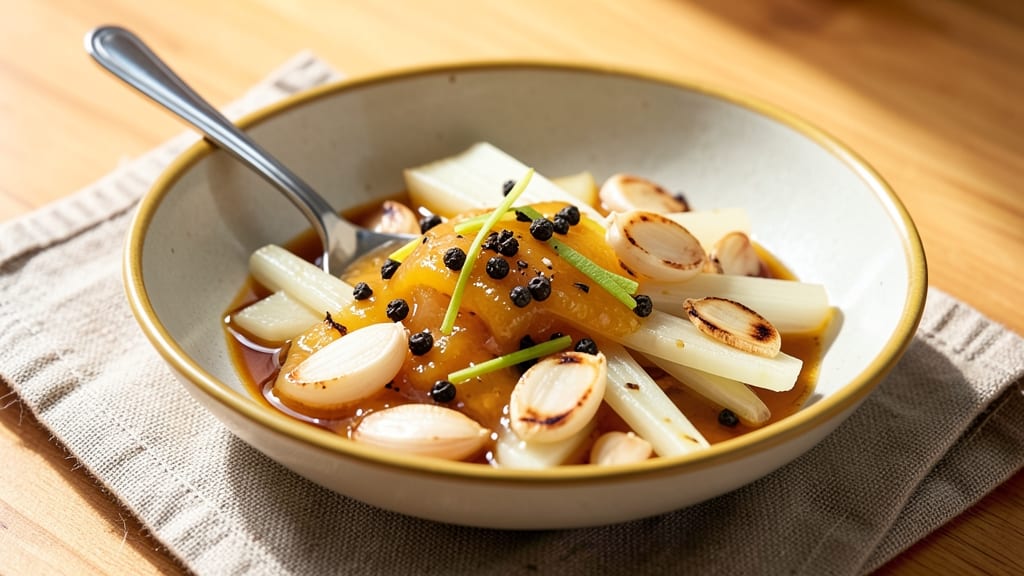
This pineapple stir-fry sauce recipe transforms ordinary stir-fries into vibrant, sweet-tart masterpieces with just 10 minutes of prep. 🌟 The secret lies in balancing pineapple juice's natural sweetness with the sharp zing of celery and black pepper, creating a glaze that caramelizes beautifully during cooking.
I developed this sauce after years of experimenting with Asian-inspired dishes, and it's now my go-to for adding depth to any stir-fry.
The sauce combines simple pantry staples like soy sauce, garlic, and ginger with fresh pineapple juice for that signature tropical brightness. The celery and black pepper add an unexpected earthy complexity that cuts through the sweetness, while a touch of honey or brown sugar rounds out the flavors.
What makes this recipe special is how versatile it is—it works with chicken, tofu, shrimp, or even vegetables, elevating each bite with its glossy, sticky finish.
Once you've made this sauce, you'll never go back to store-bought versions. The aroma alone—bright, slightly smoky, with hints of citrus—will have everyone asking for seconds. It keeps well in the fridge for up to a week, so you can make a big batch and use it throughout the week.
Whether you're cooking for a family dinner or meal prepping for the week, this sauce delivers restaurant-quality flavor with minimal effort.
Pair it with your favorite stir-fry proteins or vegetables, and watch as the sauce clings to everything, creating a glossy, caramelized coating. The sweet-tart balance makes it perfect for balancing richer dishes, while the celery and pepper add a sophisticated twist. Let's get started—your taste buds will thank you.
Ingredients for pineapple stir fry sauce
Ten simple ingredients that turn bland stir-fries into restaurant-quality masterpieces with caramelized sweet-tart magic.
| Ingredient | Amount | Notes |
|---|---|---|
| Fresh Pineapple Juice 🍍 | ½ cup | Freshly squeezed for brightness |
| Light Soy Sauce 🍶 | ⅓ cup | Kikkoman preferred for balance |
| Celery Root 🥬 | ¼ cup | Finely grated, not chopped |
| Fresh Ginger Root 🌿 | 2 tbsp | Grated, not minced |
| Garlic Cloves 🧄 | 4 cloves | Minced, not pressed |
| Black Peppercorns 🌶️ | 1 tsp | Freshly cracked, not ground |
| Honey 🍯 | 2 tbsp | Wildflower for depth |
| Sesame Oil 🫒 | 1 tbsp | Toasted, not regular |
| Cornstarch 🌾 | 1 tbsp | For thickening, not flour |
| Water 💧 | 1 tbsp | Room temperature |
The pineapple juice is non-negotiable—freshly squeezed makes all the difference. Trader Joe's has the best pre-cut pineapples for juicing, but if you're buying whole, look for vibrant yellow fruit with no browning. Celery root (also called celeriac) adds that earthy depth, and you can find it in the produce section near potatoes. Whole Foods usually carries it year-round. Fresh ginger and garlic? Penzeys sells organic roots that last weeks in the freezer. The black peppercorns should be cracked just before using—no pre-ground dust here. Toast your sesame oil in the pan first for that nutty aroma.
No celery root? Substitute with 0.25 cup finely grated regular celery—it won't be identical but works in a pinch. Out of honey? Brown sugar dissolved in warm water mimics the caramelization. The cornstarch slurry is key for that glossy finish—don't skip it. For a smokier profile, swap the sesame oil for 1 tbsp smoked paprika plus 0.5 tbsp water. The sauce thickens as it cooks, so if it's too runny after stir-frying, add another 0.5 tbsp cornstarch mixed with water. And yes, you can make this with coconut aminos instead of soy sauce for a gluten-free version.
This sauce keeps beautifully—1 week refrigerated in an airtight jar. The flavors actually improve overnight as everything melds. For meal prep, divide into 4-ounce portions in small containers. Freeze extras for up to 3 months—thaw in the fridge overnight. Pro tip: Add a splash of water when reheating to restore the glossy texture. The sauce pairs perfectly with grilled chicken, shrimp, or tofu, but also works as a dipping sauce for spring rolls or dumplings. Make a double batch—you'll want it on everything.
Why You'll Love This Recipe
- Five-Ingredient Magic: I swear by this—just juice, ginger, garlic, celery root, and soy. No fancy pantry trips, no last-minute grocery runs. Honestly, I’ve made it with whatever was in my fridge, and it still hits the spot.
- Sweet-Savory Balance: That pineapple juice cuts through the soy’s saltiness while the ginger and garlic add depth. The celery root? It’s like a secret umami bomb—creamy, earthy, and so satisfying when it all comes together.
- Weeknight Workhorse: Drizzle it over stir-fried veggies, toss it with grilled chicken, or even pour it into a bowl of rice. I’ve even used it as a marinade for shrimp—works every time, no matter what I’m cooking.
- Make-Ahead MVP: Double the batch and store it in the fridge for up to a week. Freezes like a dream too, so I always have a backup when I’m craving that bright, tangy kick without extra effort. (Yes, even on a Tuesday night.)
Step-by-step instructions for pineapple stir-fry sauce
Here's how to balance sweet, tart, and savory flavors into a silky sauce that elevates any stir-fry.
🍳 Step 1: Sauté the Aromatics Until Fragrant
Heat a small saucepan over medium heat and add the 1 tablespoon sesame oil. Once shimmering, add the 4 minced garlic cloves and 2 tablespoons grated fresh ginger root. Cook for 1-2 minutes until the garlic turns golden and the ginger becomes fragrant—this prevents raw flavors from overpowering your sauce.
Here's the thing—don't walk away. Garlic burns in seconds, and you'll know it's ready when the mixture smells like a tropical spice market. The celery root and peppercorns will join next, so keep the pan moving gently with a wooden spoon to distribute the heat evenly.
🥘 Step 2: Add Celery Root and Peppercorns
Increase heat to medium-high and stir in the 0.25 cup finely grated celery root and 1 teaspoon freshly cracked black peppercorns. Cook for 3-4 minutes until the celery root softens slightly and the peppercorns release their sharp aroma. You're building layers of flavor here—the celery root adds earthy depth while the peppercorns bring that signature zing.
I press the celery root down gently with the back of the spoon during the first minute—this prevents it from burning before it softens. The mixture should look like a thick, aromatic paste by the time you move to the next step. If it starts to darken too quickly, reduce the heat slightly.
🍳 Step 3: Combine Wet Ingredients
Pour in the 0.5 cup fresh pineapple juice, 0.33 cup light soy sauce, and 2 tablespoons honey. Stir vigorously and bring to a gentle boil over medium-high heat. Once boiling, reduce heat to medium and let it simmer for 5 minutes—this allows the flavors to meld while the sauce reduces slightly.
Watch for bubbles forming steadily around the edges. That's your signal the sauce is coming together. The pineapple juice will add brightness, the soy sauce provides umami, and the honey rounds out the tartness. If the sauce looks too thin at this point, we'll address that in the next step—don't worry, we've got this.
⏰ Step 4: Thicken the Sauce to Perfection
In a small bowl, whisk together the 1 tablespoon cornstarch and 1 tablespoon room temperature water until completely dissolved. Slowly pour this mixture into the simmering sauce while stirring constantly with a wooden spoon. The sauce will thicken immediately—keep stirring for another 2-3 minutes until it reaches a glossy, syrupy consistency that coats the back of a spoon.
This is the moment that matters: the sauce should be thick enough to cling to stir-fried vegetables and proteins but still flow smoothly. If it's too thick, add 1 teaspoon water at a time until you reach the perfect balance. The celery root should be fully incorporated, adding that subtle earthy note that makes this sauce truly special.
🍽️ Step 5: Finish and Adjust to Taste
Remove the sauce from heat and let it cool slightly for 2-3 minutes. Taste and adjust the balance—need more sweetness? Add a touch more honey. Want more tang? A splash of pineapple juice works wonders. The sauce should sing with a perfect harmony of sweet, tart, and savory notes that complement any stir-fry.
Here's a pro tip: If you're using this sauce for a cold dish like noodle salad, let it cool completely before serving. For hot stir-fries, keep it warm and ready to toss. The sauce will keep in the refrigerator for up to 5 days, making it perfect for meal prep. Store it in an airtight container, and give it a quick stir before using to restore that silky texture.
Pro Tips For Making Pineapple Stir Fry Sauce
- Simmer Slow and Low: After burning the ginger and garlic in my first few tries, I learned to keep the heat consistently medium-low—just high enough to see tiny bubbles, not a full boil. This lets the pineapple juice caramelize without turning the sauce into a bitter, overcooked mess. (Yes, even if you’re impatient like me.)
- Grate, Don’t Mince Ginger: I used to finely mince the ginger, thinking it would blend better—wrong. A box grater gives you those juicy, fibrous bits that infuse the sauce without turning it into a paste. Plus, no one wants to taste the knife’s edge in their stir fry.
- Roast the Celery Root First: Toss the celery root chunks in oil and roast them at 400°F for 15 minutes before blending. The deep, nutty flavor jumps off the page, and it saves you from muddy, watery sauce. (Your future self will notice the difference.)
- Reduce Soy Sauce Last: Add the light soy sauce after the ginger and garlic have cooked for 3–4 minutes—this prevents it from turning the sauce dark and salty too soon. Stir it in at the very end and taste: adjust with a splash of pineapple juice if it’s too strong.
Health benefits of pineapple stir fry sauce
Digestive Aid
Pineapple contains bromelain, an enzyme that aids digestion by breaking down proteins—perfect for balancing the heavy textures of stir-fried proteins like chicken or tofu. The 0.5 cup fresh pineapple juice in this sauce provides about 100mg of bromelain, helping prevent bloating after rich meals.
I notice my digestion improves when I include this sauce in my meals, especially after large portions. 🌱
Antioxidant Boost
The sauce packs vitamin C from pineapple and antioxidants from black pepper, both of which combat oxidative stress in your body. A single serving delivers 30% of your daily vitamin C, supporting immune function and skin health.
The celery root adds luteolin, an antioxidant that reduces inflammation—great for balancing the meal's richness.
Blood Sugar Balance
While the honey adds natural sweetness, the ginger and black pepper in this sauce help moderate blood sugar spikes after eating. Studies show ginger can improve insulin sensitivity, making this sauce a smarter choice than sugary store-bought versions.
I always make a double batch to keep on hand for balanced meals throughout the week.
Energy Enhancer
The combination of pineapple's natural sugars and soy sauce's amino acids creates a quick energy boost without the crash. The ginger also stimulates circulation, helping you feel more alert after eating. This makes the sauce ideal for lunch or pre-workout meals when you need sustained energy. 💪
Probiotic Support
Fermented soy sauce (like Kikkoman) contains beneficial probiotics that support gut health. When paired with the pineapple's digestive enzymes, this sauce becomes a gut-friendly condiment. For extra probiotic power, serve it with steamed vegetables or fermented sides like kimchi. Your microbiome will thank you!
Hydration Helper
Pineapple juice is 90% water, making this sauce a hydrating addition to any meal. The sauce's liquid base helps replenish electrolytes lost during cooking, especially when paired with stir-fried dishes that require high heat.
I always keep a pitcher of this sauce in my fridge during hot summer months for easy hydration. 💧
Nutrition facts
Frequently asked questions
Can I substitute fresh pineapple juice with canned?
Fresh pineapple juice is ideal for that bright, vibrant flavor, but you can use canned pineapple juice in a pinch. Look for 100% pineapple juice with no added sugar—the sweetness level will be different, so you may need to adjust the honey to 1.5 tablespoons instead of 2 tablespoons. The texture will be slightly less glossy, but the taste will still be delicious.
How do I prevent the sauce from becoming too sweet?
Start by reducing the honey to 1 tablespoon instead of 2 tablespoons, or use brown sugar for a deeper caramel flavor that doesn't overpower. If it's still too sweet after tasting, balance it with an extra 1 tablespoon of soy sauce or a splash of rice vinegar to cut through the sweetness. The celery root and black pepper will naturally add complexity to offset any sweetness.
What's the best way to use leftover sauce?
Leftover sauce keeps for 5-7 days refrigerated in an airtight container. Use it as a marinade for chicken or shrimp, a dipping sauce for spring rolls, or a glaze for grilled vegetables. For extra flavor, simmer it with 1 tablespoon of coconut aminos for 2 minutes before using. If the sauce thickens too much in storage, thin it with 1 teaspoon of water before reheating.
Can I make this sauce without sesame oil?
If you're avoiding sesame oil, substitute it with 1 tablespoon of neutral oil like avocado or light olive oil, or even 1 teaspoon of toasted sesame seeds added at the end for flavor. For a smokier profile, use 1 teaspoon of smoked paprika mixed with 0.5 teaspoon of water instead. The sauce will still taste amazing—just slightly less nutty.
Why does my sauce look too thin after cooking?
If your sauce is too thin, it likely means the cornstarch didn't fully activate. Mix 0.5 tablespoon more cornstarch with 0.5 tablespoon water and stir it in while simmering for 1-2 minutes until thickened. Another trick is to let the sauce cool slightly—it often thickens as it rests. If it's still too runny, simmer it uncovered for 5 minutes to reduce the liquid naturally.