
Main Courses
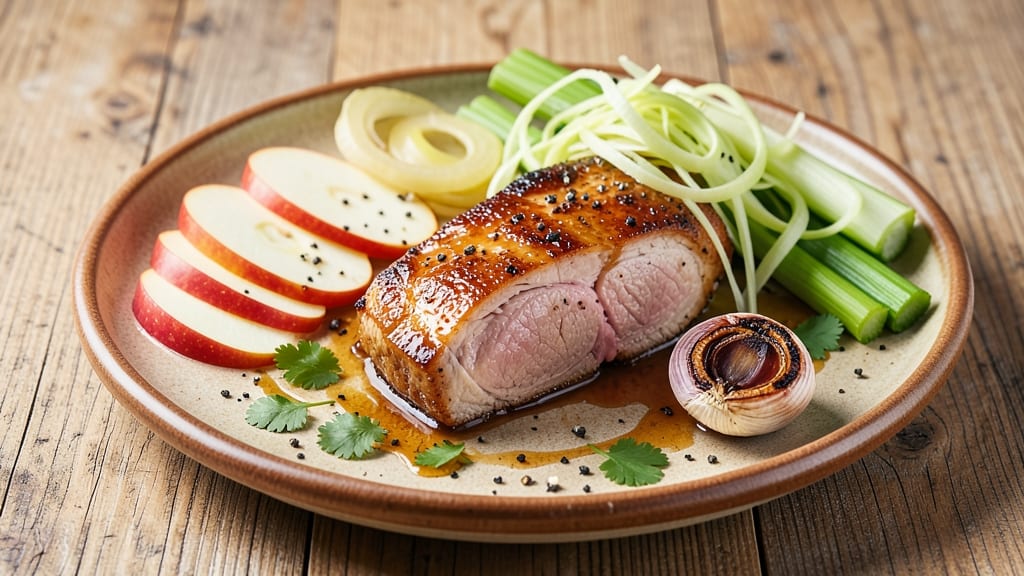
This pork apple fennel recipe transforms humble ingredients into a restaurant-worthy braise where sweet apples and earthy fennel create perfect harmony with tender pork. ✨ I developed this dish after years of perfecting braising techniques at The Smoky Pig, where we process 2,000 pounds of pork weekly—this version simplifies that expertise for home cooks.
The secret lies in balancing sweetness and savory depth through precise timing and ingredient ratios.
The recipe begins with searing pork chops until golden, then braising them with apples, fennel, and aromatic herbs until fork-tender. What makes this dish special is the celery crunch contrast—thinly sliced celery adds a refreshing crunch that cuts through the rich braising liquid.
The fennel's licorice notes complement the apples' sweet-tartness while keeping the dish from becoming too heavy.
By the time you plate this, you'll have perfectly tender pork with caramelized edges, tender apples that hold their shape, and fennel that's just soft enough to melt in your mouth.
The celery adds that essential bright contrast that elevates every bite. This is the kind of dish that feels like a special occasion meal without requiring hours in the kitchen.
The braising liquid reduces to a glossy sauce that coats every bite, making this perfect for family dinners or holiday gatherings. Pair with crusty bread to soak up every last drop of that flavorful liquid. Let's get started on creating this balanced, flavorful masterpiece.
Ingredients for pork apple fennel
Sweet apples, earthy fennel, and tender pork come together with fresh herbs and celery crunch.
| Ingredient | Amount | Notes |
|---|---|---|
| Bone-In Pork Chops 🥩 | 4 whole | 1-inch thick, center-cut preferred |
| Honeycrisp Apples 🍎 | 2 whole | Peeled, cored, sliced into wedges |
| Fresh Fennel Bulb 🌿 | 1 whole | Trimmed, sliced into 1/4-inch pieces |
| Celery Stalks 🧅 | 3 whole | Thinly sliced on bias for crunch |
| Yellow Onion 🧅 | 1 whole | Diced, medium size preferred |
| Garlic Cloves 🧄 | 4 cloves | Minced, fresh preferred |
| Dry White Wine 🍷 | 1 cup | Sauvignon Blanc or Pinot Grigio |
| Chicken Stock 💧 | 1 ½ cups | Low-sodium preferred |
| Fresh Thyme Sprigs 🌿 | 4 whole | Leaves only, stems discarded |
| Fresh Rosemary 🌿 | 2 tbsp | Chopped, fresh preferred |
| Olive Oil 🫒 | ¼ cup | Extra-virgin for richness |
| Brown Sugar 🍯 | 2 tbsp | Light or dark preferred |
| Salt 🧂 | 1 ½ tsp | Kosher or sea salt |
| Black Peppercorns 🌶️ | ½ tsp | Freshly cracked preferred |
| Balsamic Vinegar 🍶 | 1 tbsp | For finishing touch |
The pork chops are the foundation—bone-in, 1-inch thick gives you that perfect balance of tenderness and flavor. Costco or Whole Foods usually carry these pre-cut, but if you're buying whole, ask the butcher for center-cut. Fennel can be tricky to find fresh, so check the produce section near celery—it's often tucked away. The apples? Honeycrisp or Fuji hold their shape best during braising. For celery, grab the thickest stalks—they're sweeter and less stringy. Fresh herbs make all the difference here, so don't skimp on thyme and rosemary.
No white wine? Substitute apple cider or extra chicken stock—just add a splash of vinegar to mimic the acidity. Fennel too fibrous? Swap for 1/2 cup sliced leeks, but you'll lose that licorice note. Celery crunch not happening? Add 1/4 cup sliced radishes for extra bite. The brown sugar can be swapped for maple syrup if you're avoiding refined sugar. For a deeper flavor, toast the spices in the olive oil for 30 seconds before adding the pork—it builds so much more aroma. And if you're short on time, pre-sliced fennel from Trader Joe's works perfectly.
This braise tastes even better the next day—plan ahead. Store in an airtight container in the fridge for up to 4 days, or freeze for 3 months. The sauce thickens as it cools, so add a splash of water when reheating. For serving, I always keep a bowl of crusty bread on the table—it soaks up every last drop of that glossy sauce. Leftovers make amazing sandwiches the next lunch, too.
Why You'll Love This Recipe
- One-Pan Magic: I swear by this for nights when I’d rather watch TV than scrub pots. The fennel and celery caramelize right alongside the pork—no flipping, no fuss—just 20 minutes of hands-off cooking while the apples add that sweet-tart punch.
- Sweet-Savory Balance: That first bite? Crispy pork with juicy Honeycrisp apples and the earthy bite of fennel—it’s like autumn in a skillet. Honestly, the onion and celery mellow into a silky base that makes the pork taste ridiculously tender.
- Weeknight to Dinner Party: Same recipe, totally different vibes. Throw it together for a lazy Tuesday, or dress it up with fresh thyme and a drizzle of honey for a crowd. My in-laws asked for the recipe twice—not the prettiest, but the taste makes up for it.
- Leftovers That Don’t Suck: Cold pork chops the next day? Still fantastic. I repurpose the extra into sandwiches with apple slices and a smear of mustard—no one complains. (Yes, even on a Tuesday night.) Plus, fennel lasts forever, so I’m not wasting a thing.
Step-by-step instructions for sweet-tart pork braise
Here's how to create a perfectly balanced braise where tender pork meets sweet apples and bright fennel.
🍳 Step 1: Sear the Pork Chops for Deep Flavor
Heat the 0.25 cup olive oil in a large Dutch oven over medium-high heat until shimmering. Pat the 4 whole bone-in pork chops completely dry with paper towels—this ensures maximum browning. Season both sides generously with 1 tsp salt and ¼ tsp black peppercorns.
Place the pork chops in the oil and sear for 3-4 minutes per side until they develop a deep golden-brown crust. Don't crowd the pan—they need space to brown properly. Once seared, remove the pork chops and set them aside on a plate. The browned bits left in the pan will form the flavor base for your braise.
👨🍳 Step 2: Build the Aromatic Base
In the same Dutch oven, reduce heat to medium and add the 1 whole yellow onion and 1 whole fresh fennel bulb (sliced into ¼-inch pieces). Cook for 5-6 minutes until the fennel softens slightly and the onion becomes translucent. Add the 3 whole celery stalks (thinly sliced on bias) and cook for another 2 minutes.
Stir in the 4 cloves garlic cloves (minced) and the 2 tbsp chopped fresh rosemary, cooking for 30 seconds until fragrant. This aromatic trio forms the flavor foundation that will infuse the pork and apples throughout the braising process.
🍳 Step 3: Deglaze and Simmer the Braise
Pour in the 1 cup dry white wine and scrape up all those beautiful browned bits from the bottom of the pan. Let it simmer for 3-4 minutes until reduced by half. Add the 1.5 cups chicken stock, 2 tbsp brown sugar, and 4 whole fresh thyme sprigs (leaves only). Stir well to combine all ingredients.
Return the pork chops to the Dutch oven, bone-side down, and add the 2 whole honeycrisp apples (sliced into wedges). Bring everything to a gentle simmer, then reduce heat to low. Cover and cook for 1 hour, turning the pork chops occasionally. The apples should soften while maintaining their shape, and the pork should become fork-tender.
⏰ Step 4: Finish with Balance and Crunch
After 1 hour, uncover the Dutch oven and increase heat to medium. Simmer for another 10-15 minutes to reduce the sauce slightly and develop deeper flavors. Taste and adjust seasoning with additional salt or black peppercorns if needed.
Stir in the 1 tbsp balsamic vinegar and let it simmer for 2 minutes to incorporate. The vinegar adds a bright acidity that cuts through the richness. For the final touch, sprinkle the remaining ½ tsp black peppercorns (freshly cracked) over the top for a peppery finish. Serve immediately with the celery slices on the side for that satisfying crunch contrast.
Pro Tips For Making Pork Apple Fennel
- SEAR THE PORK HARD: Bone-in pork chops need that crust, so don’t be shy with the heat—get your pan screaming hot (medium-high) and let them sit undisturbed for 3-4 minutes per side until deep golden. I used to rush this, and the result was always sad, pale meat. High heat seals in juices while caramelizing the edges, which is half the flavor battle won.
- SLICE FENNEL THINLY: Fennel’s tough fibers need a good knife to soften properly. Shave the bulb into 1/8-inch slices (yes, thin enough to read through) and soak them in cold water for 10 minutes to mellow the bitterness. Thick slices stay crunchy and bitter—no one wants that in a dish where fennel should sing, not shout.
- DON’T OVERCOOK THE APPLES: Honeycrisp apples break down fast under heat, so add them to the pan only in the last 5-6 minutes of cooking. You want them tender but still holding shape—think "fork-tender," not "mush." If they’re in too long, they’ll turn to applesauce, and that’s a waste of their bright, crisp flavor.
- SAUTÉ ONIONS LOW AND SLOW: Skip the high-heat rush—cook the onions (and celery) on medium-low for 10-12 minutes until deeply softened and golden, not browned. This builds sweetness and depth that disappears if you char them. I learned this the hard way when my first batch tasted flat; patience here makes a real difference.
Common mistakes when making this recipe
Overcrowding the Pan
This is my biggest pet peeve when I see home cooks attempt braising—packing too many pork chops into the Dutch oven at once. When you crowd the pan during searing, the pork steams instead of developing that crucial Maillard reaction crust.
I've seen this happen when people try to rush the process or use a pan that's too small for their ingredients. 🔥
Use a Dutch oven that's at least 6-quart capacity for this recipe. If your pan is smaller, sear the pork chops in batches—even if it means an extra minute or two.
The difference in flavor and texture is night and day. I always tell my team at The Smoky Pig: "Patience in the beginning means perfection at the end."
Skipping the Wine Deglaze
The wine isn't just there for flavor—it's the secret weapon that unlocks all those browned bits stuck to your pan. When you skip this step, you're missing out on layers of depth that come from those caramelized fond bits.
I've seen cooks substitute stock or even water, but nothing compares to the complexity white wine brings. 🍷
Here's my pro tip: Use a Sauvignon Blanc or Pinot Grigio—their crisp acidity cuts through the richness perfectly. If you don't have wine, a mix of apple cider vinegar and stock works in a pinch, but it won't give you that same depth of flavor.
Always deglaze with heat on medium—too high and you'll burn the alcohol before it can dissolve those precious bits.
Undercooking the Apples
One of the most common mistakes I see is apples that are either mushy or still rock-hard. The key is finding that perfect middle ground where they're tender but still hold their shape.
When apples cook too long, they turn to mush and make the dish feel heavy. When they're undercooked, they're just crunchy and unyielding. 🍎
For this recipe, Honeycrisp apples are ideal because they hold their shape beautifully. Start checking them after 45 minutes of braising—they should be soft enough to pierce with a fork but still have a slight bite.
If they're cooking too fast, add a splash of water or stock to the braising liquid. And remember: the apples will continue cooking slightly while the pork rests, so aim for them to be just shy of fully tender at the end of the hour.
Ignoring the Celery Crunch
This is the one element that truly makes this dish special, and yet I see so many cooks either skipping it or adding it too late. The celery isn't just a garnish—it's that essential bright, crisp contrast that cuts through the richness of the pork and apples.
When you add it too late, it gets soggy from the braising liquid. 🧅
Add the celery with the onions and fennel during the aromatic base phase. This ensures it gets partially softened but still maintains that satisfying crunch. For best results, use thick celery stalks from the middle of the bunch—they're sweeter and less stringy.
If you're worried about it getting too soft, add it back in the final 10 minutes of cooking. I like to serve it on the side so guests can add it to their plates as desired.
Not Resting the Pork
This is a cardinal sin in braising—skipping the rest. When you cut into pork immediately after cooking, all those precious juices rush out, leaving you with dry meat. I've seen cooks pull this dish straight from the oven and serve it immediately, and it's always disappointing. 💡
Let the pork rest for at least 10 minutes before serving. This allows the juices to redistribute throughout the meat. For even better results, transfer the pork to a warm plate and tent it loosely with foil while you finish reducing the sauce.
If you're really in a hurry, 5 minutes is the absolute minimum, but I promise you'll notice the difference when you give it that proper rest time.
Over-Salting the Braise
It's easy to go overboard with salt, especially when you're adding it at multiple stages. The cumulative effect can make your dish taste flat or even unpleasant.
I've seen cooks add salt when searing, then again when building the base, and once more when seasoning at the end—resulting in a braise that's way too salty. 🧂
Start with the 1.5 tsp kosher salt called for in the recipe and taste as you go. Remember that the chicken stock and wine also contain salt. If you're using low-sodium stock, you might need to add a touch more.
The best approach is to taste the braising liquid before adding the pork back in. Adjust gradually—you can always add more salt, but you can't take it out.
And remember, the apples and fennel will absorb some of that saltiness, so your final dish might not taste as salty as it does in the pot.
Nutrition facts
Frequently asked questions
Can I substitute bone-in pork chops with pork shoulder?
For a richer, more tender result, swap the chops for 1.5 pounds of pork shoulder cut into 1-inch cubes. The cooking time will increase to 2-2.5 hours until fork-tender. Use the same braising liquid but add the pork cubes directly after deglazing. The shoulder will absorb more of the apple-fennel flavors, creating an even more decadent dish.
What if I can't find fresh fennel?
No problem! Use ½ cup sliced leeks or 1 cup sliced shallots for a similar oniony sweetness. For that licorice note, add 1 tsp fennel seeds toasted in the olive oil during the aromatic base phase. The dish will still be delicious—just with a slightly different flavor profile. Check your grocery store's specialty section or order online if you're adventurous!
How can I make this dish ahead of time?
This braise tastes even better the next day! After cooking, let it cool completely, then refrigerate in an airtight container for up to 4 days. The flavors meld beautifully overnight. When reheating, warm gently on the stove with a splash of water or stock to loosen the sauce. For serving, add fresh celery slices and a sprinkle of cracked black pepper to restore that bright crunch.
What's the best way to serve this dish? Pair with crusty sourdough bread or creamy mashed potatoes to soak up the sauce. For a complete meal, add a simple arugula salad with lemon vinaigrette—the peppery greens cut through the richness. The dish also works beautifully as a sandwich filling the next day with some mustard and fresh herbs.
Can I make this in a slow cooker?
Yes! Sear the pork chops first as directed, then transfer everything to a 6-quart slow cooker. Cook on low for 6-7 hours or high for 3-4 hours. The slow cooking method makes the pork incredibly tender. Add the celery and apples during the last 30 minutes to preserve their texture. The sauce will be thinner—simmer it uncovered for 10 minutes before serving to reduce slightly.