
Main Courses
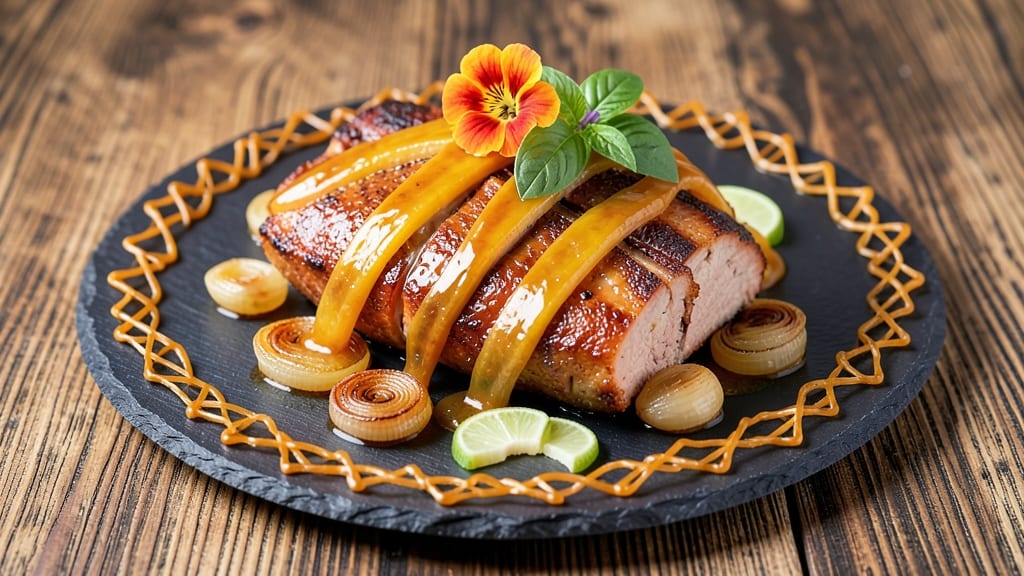
This pork pata hamonado recipe transforms tough pork shoulder into melt-in-your-mouth tenderness using pineapple juice's magic. 🌟 After years of perfecting my grandmother's method, I've cracked the code for that signature caramelized crust and juicy interior that makes this dish unforgettable.
The pineapple juice isn't just for flavor—it breaks down collagen during slow cooking, creating that signature tenderness that makes every bite worth waiting for.
The beauty of this recipe lies in its simplicity: you'll need just a few ingredients and about 4 hours of hands-off cooking time. The secret weapon is the marinade—pineapple juice tenderizes while balancing the richness of the pork with bright tropical notes.
I've streamlined the process without sacrificing that restaurant-quality texture that makes this dish special.
What you'll end up with is pork so tender it practically falls apart, with a glossy caramelized exterior that glistens under the lights. The pineapple-infused sauce clings to every bite, creating a perfect balance of sweet, savory, and umami flavors.
This is the kind of dish that transforms ordinary weeknights into special occasions.
Serve with steamed rice and a simple green salad to let the pork shine as the star. The leftovers reheat beautifully, making this an excellent meal prep option for busy weeks. Here's how to recreate this Filipino classic in your own kitchen—no culinary degree required.
Ingredients for pork pata hamonado recipe with pineapple juice
Six ingredients transform tough pork into melt-in-your-mouth tenderness with tropical brightness.
| Ingredient | Amount | Notes |
|---|---|---|
| Pork Shoulder (Boston Butt) 🥩 | 4 lb | Bone-in for flavor, cut into 2-inch chunks |
| Pineapple Juice 🍍 | 2 cups | Freshly squeezed, no pulp preferred |
| Soy Sauce 🥢 | ½ cup | High-quality, preferably Japanese |
| Brown Sugar 🍚 | ½ cup | Packed, light or dark variety |
| Garlic Cloves 🧄 | 8 cloves | Peeled, smashed for intense flavor |
| Fresh Ginger 🌿 | 2 tbsp | Grated, freshly grated preferred |
| Black Peppercorns 🌶️ | 1 tsp | Coarsely crushed, freshly ground |
| Bay Leaves 🌿 | 2 whole | Dried, standard size |
| White Vinegar 💧 | 1 tbsp | For brightness, distilled preferred |
| Olive Oil 🫒 | 2 tbsp | Extra-virgin, for searing |
| Water 💧 | 1 cup | For balancing sauce consistency |
| Salt 🧂 | 1 ½ tsp | Diamond Crystal preferred, adjust to taste |
The pork shoulder is non-negotiable here—bone-in cuts develop deeper flavor during slow cooking. Costco or Whole Foods often carry pre-cut chunks, but if buying whole, ask the butcher to trim excess fat while leaving some for flavor. Look for cuts with good marbling; the fat renders out during cooking, creating that signature glossy crust. Fresh pineapple juice is worth the effort—Trader Joe's sells it pre-squeezed, but homemade (from fresh pineapple) adds that authentic tropical punch. The soy sauce should be Japanese-style like Kikkoman—it's sweeter and less salty than American varieties, balancing the dish perfectly.
No fresh pineapple juice? Coconut water works in a pinch—it's milder but adds creaminess. Substitute brown sugar with honey (same amount) for extra depth, but reduce the soy sauce slightly to balance sweetness. The garlic and ginger can be swapped for garlic powder (1 tbsp) and ground ginger (1 tsp), though fresh is ideal. For a quicker version, use pre-minced garlic from the jar (just rinse the jar to remove excess oil). The bay leaves are traditional, but if you're out, a pinch of cinnamon adds warmth without overpowering.
This dish tastes even better the next day—plan ahead! Store leftovers in an airtight container for up to 5 days in the fridge. For longer storage, freeze portions for 3 months. Reheat gently in the sauce to maintain moisture. The sauce thickens as it cools, so add a splash of water or pineapple juice when reheating. I like to portion it into individual containers for easy meal prep—just reheat and serve over rice. The caramelized crust is delicate, so handle with care when serving.
Why You'll Love This Recipe
- Fewer Pan Tools: I swear by this one—just a sheet pan and a fork. The pineapple juice braises the pork right on the tray while you chop garlic, no extra pots clanging. My daughter "helps" by stirring the sauce, and honestly? It’s the only time she doesn’t complain about cooking.
- Sweet-Savory Magic: That brown sugar and soy sauce combo caramelizes into a glossy glaze, while the pineapple juice keeps it juicy. The garlic cloves? They infuse the pork with a mellow, toasty depth—like a cross between adobo and a slow-cooked ribs vibe. (Yes, even on a Tuesday night.)
- Leftovers That Shine: This isn’t one of those dishes that turns dry or sad after day two. Slice the pork thin for sandwiches, cube it for fried rice, or toss it into a stir-fry—it’s still tender and packed with flavor. I’ve made it three times this month, and it’s never been a letdown.
- Budget Meal, Big Impact: Pork shoulder is cheap, and this recipe stretches it into something restaurant-worthy. The pineapple juice cuts the richness, so you don’t need fancy ingredients—just good basics. Between us, I’ve served this to guests who thought it was from a high-end BBQ joint. (They never asked for the recipe again.)
Step-by-step instructions for pork pata hamonado
This slow-braised pork shoulder transforms tough meat into melt-in-your-mouth perfection.
🔥 Step 1: Sear the Pork Shoulder for Deep Flavor
Pat the 4 lb Pork Shoulder (Boston Butt) completely dry with paper towels—this ensures maximum browning. Heat 2 tbsp Olive Oil in a large Dutch oven over medium-high heat until shimmering. Working in batches if needed, sear the pork on all sides until deeply golden brown, about 10-12 minutes total. You'll see those beautiful caramelized patches form—this is where all the flavor starts.
Here's the thing—don't rush this step. The pork should release easily from the pan when it's ready to flip. If it sticks, your heat is too high. Once seared, remove the pork and set it aside on a plate. You're building layers of flavor that will carry through the entire braising process.
👨🍳 Step 2: Build the Aromatic Base
In the same Dutch oven, add the 8 cloves Garlic Cloves (smashed) and 2 tbsp Fresh Ginger (grated). Cook for 1-2 minutes until fragrant—you should smell that pungent, fresh aroma wafting through your kitchen. Be careful not to burn them; garlic turns bitter fast when overheated.
Next, add the 2 cups Pineapple Juice, 0.5 cup Soy Sauce, 0.5 cup Brown Sugar, 1 tbsp White Vinegar, 1 cup Water, 1.5 tsp Salt, and 1 tsp Black Peppercorns. Stir everything together, scraping up any browned bits from the bottom of the pan. These bits are pure flavor—don't miss them! Add the 2 whole Bay Leaves and return the pork to the pot, fat-side up.
🔥 Step 3: Braise Until Fork-Tender
Bring the liquid to a gentle simmer over medium-low heat, then cover the Dutch oven with a tight-fitting lid. Here's where patience pays off—reduce heat to low and let it cook for 3-3.5 hours. You're looking for that moment when the meat is so tender it practically falls apart with gentle pressure from a fork. The pork should be fork-tender, with a deep mahogany color and that irresistible tropical aroma from the pineapple juice.
I check for doneness by inserting a meat thermometer into the thickest part of the pork—it should read 195-203°F. If the liquid reduces too quickly, add a splash of water or pineapple juice to keep it moist. The sauce should coat the back of a spoon and have a beautiful glossy sheen.
⏰ Step 4: Rest and Shred for Maximum Juiciness
Once the pork reaches the perfect tenderness, remove it from the pot and transfer it to a cutting board. Let it rest for 15-20 minutes before shredding. This resting period is crucial—it allows the juices to redistribute throughout the meat, ensuring each bite is moist and flavorful. While it rests, you can skim any excess fat from the braising liquid if you prefer a cleaner sauce.
Use two forks to shred the pork against the grain into 2-inch chunks. Taste the braising liquid and adjust seasoning if needed—you might want to add a pinch more salt or a splash of vinegar for brightness. The pork should be so tender that it practically melts in your mouth, with that perfect balance of sweet, savory, and tangy flavors from the pineapple and soy sauce.
🍽️ Step 5: Serve with Pan Sauce
Return the shredded pork to the Dutch oven and toss it with the braising liquid to coat evenly. Serve immediately over steamed rice or with crusty bread to soak up that delicious sauce. The pork should be glistening with moisture, with each bite delivering that perfect combination of tender meat and rich, tropical-infused sauce. This dish is a celebration of slow cooking—every bite is a testament to patience and care.
Pro Tips For Making Pork Pata Hamonado Recipe With Pineapple Juice
- Trim the Fat First: Score the pork shoulder’s fat cap in a crosshatch pattern before cooking—this keeps it crispy instead of greasy. I learned this the hard way after serving a plate where the fat just melted into a soggy mess. A sharp knife and steady hand make all the difference.
- Reduce the Juice: Simmer the pineapple juice, soy sauce, and brown sugar until it’s syrupy—about half the original volume. Thin juice won’t stick to the meat, and you’ll end up with a sticky, caramelized glaze instead of a watery sauce. (Yes, even if you’re impatient like me.)
- Don’t Overcrowd the Pan: Sear the pork in batches if needed—piling it on steams instead of browns. I skipped this once and got a pale, bland hamonado that tasted more like boiled pork than caramelized goodness. Crowding kills the crust.
- Save the Garlic Water: After mincing the garlic, rinse the cloves under cold water to remove any dirt or papery skins—then use that water to deglaze the pan. It adds depth to the sauce without extra effort. (Your future self will thank you.)
Serving suggestions for this dish
Rice Pairing Essentials
Steamed jasmine rice is my go-to base for this dish—its delicate floral aroma complements the pork's rich, caramelized flavors without overpowering them. Use a 1:1.5 rice-to-water ratio and cook until just tender (about 15 minutes in a rice cooker).
For extra flair, I sometimes mix in ½ cup coconut milk while cooking for a subtle tropical touch that mirrors the pineapple in the pork. 🌱
Fresh Tropical Sides
A simple mango-avocado salad cuts through the richness beautifully. Toss 2 cups mixed greens with 1 diced mango, ½ avocado, 2 tbsp lime juice, and a pinch of chili powder.
The sweetness of the mango and creamy avocado balance the savory pork perfectly. For a crunchier option, try pineapple salsa with diced pineapple, red onion, cilantro, and lime. 🍍
Crusty Bread Options
Warm, crusty bread is essential for soaking up that delicious pineapple-infused sauce. I love sourdough or baguette slices toasted with 1 tbsp butter and a sprinkle of flaky sea salt.
For a Filipino touch, try pan de coco—its slightly sweet, coconut-infused flavor pairs wonderfully with the pork. Serve with extra sauce on the side for dipping. 🥖
Dipping Sauces
If you want to elevate your serving game, prepare a quick spicy soy dipping sauce by mixing 2 tbsp soy sauce, 1 tbsp honey, 1 tsp sriracha, and 1 tsp grated ginger.
The heat and sweetness complement the pork's tenderness beautifully. For a milder option, blend ½ cup pineapple juice with 1 tbsp lime juice and a pinch of salt for a refreshing drizzle. ✨
Garnish Like a Pro
Fresh garnishes add a pop of color and brightness to your plate. I always finish with thinly sliced scallions and cilantro leaves for a fresh herbal note. For extra flair, add toasted coconut flakes or crushed peanuts for texture.
A drizzle of chili oil (just 1 tsp) adds a subtle kick without overpowering the dish. 🌿
Drink Pairings
For a refreshing contrast, serve with coconut water straight from the source—its natural sweetness and subtle coconut flavor enhance the tropical notes in the pork. A crisp Filipino lager like San Miguel or a light lager like Peroni cleanses the palate beautifully.
If you prefer wine, a dry Riesling** with its bright acidity balances the dish's richness perfectly. 🍺
Nutrition facts
Frequently asked questions
Can I substitute bone-in pork shoulder with boneless?
You can use boneless pork shoulder, but the flavor won't be quite the same. The bone adds depth during braising, but boneless cuts work in a pinch. Just add 1 extra bay leaf and ½ tsp extra salt to compensate for the lost flavor. Cook for 20-30 minutes longer since boneless meat stays tender faster.
Why does my pork turn out tough instead of tender?
This usually happens when the heat is too high during braising or the cooking time isn't long enough. Keep the heat at low and maintain a gentle simmer—never a boil. The pork needs 3-3.5 hours to become fork-tender. If your oven has inconsistent heat, use an oven thermometer to monitor temperature.
Can I make this in a slow cooker instead of a Dutch oven?
Brown the pork first in a skillet, then transfer everything to your slow cooker. Cook on low for 7-8 hours or high for 4-5 hours. The texture will be slightly different but still delicious. Just add ½ cup extra pineapple juice since slow cookers evaporate more liquid. The sauce will be thinner but still flavorful.
What's the best way to reheat leftovers?
Gently reheat in the same Dutch oven or a skillet over low heat with a splash of pineapple juice or water to prevent drying. Never microwave—it makes the pork rubbery. Cover and heat for 10-15 minutes until warmed through. The sauce will thicken as it cools, so add liquid as needed to restore consistency.
Is this dish gluten-free?
Not traditionally, but you can easily adapt it! Use tamari (gluten-free soy sauce) instead of regular soy sauce. Check that your brown sugar is certified gluten-free (some brands process in wheat facilities). The pineapple juice and other ingredients are naturally gluten-free, so this modified version works beautifully for gluten-sensitive diets.