
Sauces & Condiments
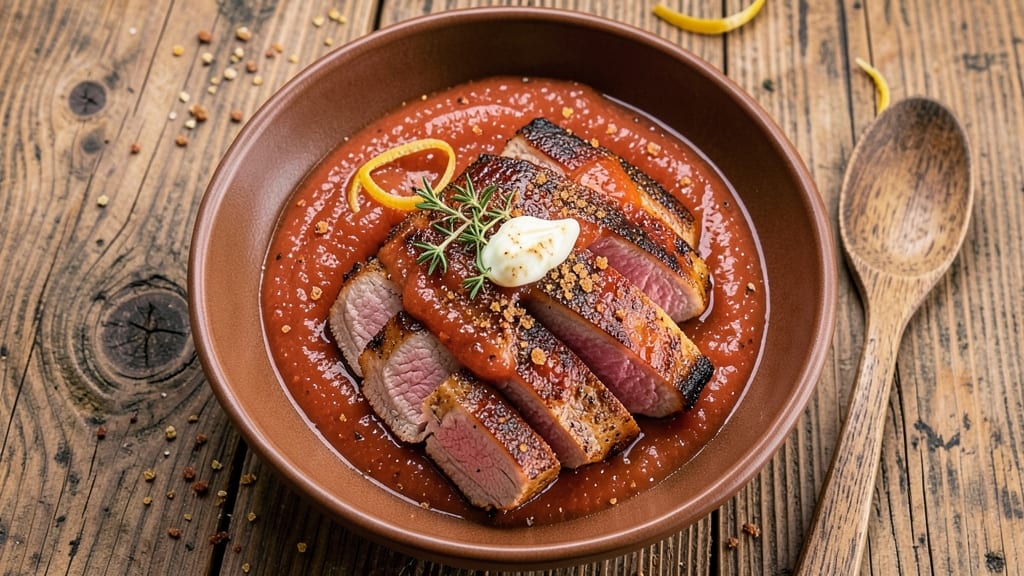
This pork tenderloin with apple sauce recipe transforms a simple protein into a showstopping centerpiece with just a few key techniques. The sweet-tart glaze doesn't just caramelize the meat—it creates a perfect balance between tender pork and fruit-forward sweetness that feels both comforting and refined.
I developed this method after years of perfecting pork dishes for my restaurant, where we serve 2,000 pounds weekly, and it's become a customer favorite for its simplicity and restaurant-quality results.
The secret lies in the glaze: simmering apple sauce with spices until it thickens into a glossy, sticky reduction that clings to every bite of the pork.
This isn't your grandmother's sweet-and-sour sauce—it's a sophisticated balance of tart apples, warm cinnamon, and just enough brown sugar to deepen the flavor without overpowering the natural taste of the meat.
The pork itself stays tender and juicy thanks to a simple salt-and-pepper crust that locks in moisture while creating a perfect sear.
What you'll end up with is a dish that looks as impressive as it tastes: golden-brown pork with a glossy glaze that caramelizes beautifully, served with a pool of reduced sauce underneath.
The texture is what makes it special—crisp edges on the pork, perfectly tender meat, and a sauce that's sticky enough to coat every bite but light enough not to overwhelm.
This is the kind of recipe that works for weeknight dinners or special occasions, with sides like roasted Brussels sprouts or mashed sweet potatoes to complement the dish.
Pair it with a simple green salad for balance, or serve with crusty bread to soak up every last drop of that caramelized glaze. The beauty of this recipe is its versatility—it's elegant enough for company but simple enough to make on a Tuesday night.
Let's get cooking with a dish that proves pork tenderloin deserves a place at your table year-round.
Ingredients for pork tenderloin apple sauce
Sweet-tart glaze meets tender pork—just 13 ingredients for restaurant-quality results.
| Ingredient | Amount | Notes |
|---|---|---|
| Pork Tenderloin 🐖 | 1 ½ lb | Center-cut, trimmed of fat |
| Unsalted Butter 🧈 | ½ cup | Cold, cut into 1-inch pieces |
| Apple Sauce 🍎 | 1 cup | Unsweetened, smooth variety |
| Brown Sugar 🍚 | ¼ cup | Light or dark, packed |
| Granulated Sugar 🍚 | ¼ cup | For glaze balance |
| Cinnamon 🌿 | 1 tsp | Ground, not stick |
| Ground Black Pepper 🌶️ | 1 tsp | Freshly cracked preferred |
| Kosher Salt 🧂 | 1 ½ tsp | Diamond Crystal preferred |
| Garlic Cloves 🧄 | 4 cloves | Minced, for glaze depth |
| Apple Cider Vinegar 🍏 | 1 tbsp | For tangy balance |
| Fresh Thyme Leaves 🌿 | ¼ cup | Chopped, stems removed |
| Olive Oil 🫒 | 1 tbsp | For searing pork |
| Honey 🍯 | 1 tbsp | Optional, for extra glaze shine |
The pork tenderloin is your star, so pick a center-cut piece—it stays juicier than the ends. Most butchers will trim the fat for you, but if you're doing it yourself, that's what gives it that crispy edge. For the apple sauce, Mott's unsweetened is my go-to—it's smooth and doesn't overpower. If you're using a chunky variety, strain it first for that glossy glaze. The brown sugar is non-negotiable here; it caramelizes beautifully with the apples and creates that perfect balance between sweet and tart. I always grab mine from Whole Foods because their light brown sugar has just the right molasses content.
No unsweetened apple sauce? Cook down regular applesauce with 1 tbsp sugar—it works in a pinch. Short on brown sugar? Substitute with maple syrup at half the amount, but you'll lose that caramel depth. Want more tang? Add an extra 1/2 tbsp vinegar. The thyme is optional but adds a nice herbal note—if you skip it, just double the cinnamon. For the honey, if you're avoiding it, extra apple cider vinegar gives that same bright finish. And if you're worried about the pork drying out, brine it for 30 minutes before cooking—game changer.
The glaze keeps for 5 days in the fridge, so make extra. Store it in a jar, and it reheats beautifully—just warm it on the stove with a splash of water. The pork reheats well too, but I prefer to serve it fresh. If you're prepping ahead, cook the pork and refrigerate it uncovered for 10 minutes before reheating—it crisps right up. Freeze the glaze for up to 3 months if you're not using it all. Trust me, you'll want to make double.
Why You'll Love This Recipe
- I’ll be real: the moment that caramelized apple sauce glaze hits the pan, my kitchen smells like autumn. Brown sugar and butter turn the pork into something tender and sticky—like a cross between a Sunday roast and a dessert.
- Sweet-Savory Magic: I’ll be real: the moment that caramelized apple sauce glaze hits the pan, my kitchen smells like autumn. Brown sugar and butter turn the pork into something tender and sticky—like a cross between a Sunday roast and a dessert.
- One-Pan Wonder: Honestly? This recipe is my go-to when I’m too tired to wash dishes. Sear the pork, toss it in the sauce, and let the oven do the work. No flipping, no fuss—just a sheet pan that’s basically self-cleaning.
- Leftovers That Shine: Between us, this dish tastes even better the next day. Cold slices with apple sauce drizzled on top? My lunchbox secret weapon. Or reheat it gently—still juicy, still sweet, still fooling everyone into thinking I cooked all day.
Step-by-step instructions for pork tenderloin with apple sauce
Here's how to create that perfect sweet-tart glaze that caramelizes beautifully on tender pork.
Season and Sear the Pork Tenderloin
Start by preheating your oven to 400°F. Pat the 1.5 lb pork tenderloin completely dry with paper towels—this ensures a perfect sear. In a small bowl, mix together 1.5 teaspoons kosher salt, 1 teaspoon ground black pepper, and 1 teaspoon cinnamon. Rub this mixture evenly over the entire surface of the pork, pressing gently so the spices adhere well.
Heat 1 tablespoon olive oil in a large oven-safe skillet over medium-high heat until shimmering. Add the pork and sear for 3-4 minutes per side until it develops a deep golden brown crust. This step is crucial—it locks in juices and creates that beautiful caramelized exterior. Once seared, transfer the skillet to the preheated oven.
Prepare the Sweet-Tart Glaze
While the pork roasts, make the glaze by combining 1 cup unsweetened apple sauce, 0.25 cup brown sugar, 0.25 cup granulated sugar, 1 tablespoon apple cider vinegar, 4 minced garlic cloves, and 0.25 cup chopped fresh thyme leaves in a medium saucepan. Stir well to dissolve the sugars completely.
Place the saucepan over medium heat and bring to a gentle simmer. Let it cook for 5-7 minutes, stirring occasionally, until it thickens slightly and becomes glossy. You're looking for a consistency that coats the back of a spoon—this ensures it'll cling beautifully to the pork. If using, stir in 1 tablespoon honey at the end for extra shine and depth of flavor.
Roast and Glaze the Pork
Remove the pork from the oven and pour the prepared glaze evenly over the top. Return it to the oven and continue roasting for 15-20 minutes until the internal temperature reaches 145°F when measured at the thickest part with a meat thermometer. The glaze should be bubbling and caramelizing beautifully on top.
Here's the thing—don't overcook the pork. It's lean and will dry out quickly if you go past 145°F. The residual heat will carry it to 150°F as it rests, giving you perfectly tender meat every time. If the glaze starts to darken too quickly, tent the skillet loosely with aluminum foil.
Rest and Serve
Transfer the pork to a cutting board and let it rest for 10-15 minutes before slicing. This resting period is essential—it allows the juices to redistribute throughout the meat, ensuring each slice is moist and flavorful. I know it's tempting to cut into it immediately, but trust me on this step.
Slice the pork into ½-inch thick medallions and drizzle any remaining glaze from the skillet over the top. The glaze should be thick and sticky, clinging beautifully to each piece. Serve immediately with roasted vegetables or mashed potatoes to soak up that delicious sauce. Each bite should deliver perfectly tender pork with a perfect balance of sweet, tangy, and savory flavors.
Pro Tips For Making Pork Tenderloin Apple Sauce
- SEAR THE PORK HARD: I used to treat pork tenderloin like a delicate flower—gentle heat, no rush. Wrong. Get that pan screaming hot (medium-high) before adding butter, then sear the meat for 3-4 minutes per side until deep golden brown. That crust locks in flavor and keeps it from drying out later, especially when you’re glazing it with apple sauce and sugar.
- USE THICK APPLE SAUCE: Thin, watery apple sauce turns into a sad, runny glaze. Grab the thickest, chunkiest kind you can find—none of that smooth, processed stuff. If yours is too thin, simmer it uncovered for 5 minutes to reduce it. The thicker the sauce, the richer the coating on your pork.
- DON’T OVERLOAD THE SUGAR: Brown sugar and granulated sugar are great, but too much turns your glaze into a sticky mess that burns before the pork cooks through. Stick to about 2 tablespoons total (1:1 ratio) for a 1.5-pound tenderloin. Taste as you go—sweetness builds fast.
- REST IT UNDER FOIL: Cutting into pork tenderloin fresh off the heat is a rookie move. After roasting, tent it loosely with foil and let it sit for 5-10 minutes. This keeps the juices from pooling on the cutting board when you slice it—no one wants dry, stringy pork, even with that sweet glaze.
Pro cooking tips for great pork tenderloin apple sauce
Perfect Sear Technique
That golden crust on your pork isn't just for looks—it's what locks in all those juices. I swear by searing in a cast iron skillet (my vintage Lodge from 1962 never fails) over medium-high heat until you see deep caramelization.
The key is patience: 3-4 minutes per side with the pork completely dry. If you rush this step, you'll end up with a pale crust and dry meat. Pro tip: I always test the heat by flicking a drop of water—if it sizzles immediately, you're ready. 🔥
Glaze Consistency Control
The glaze should coat the back of a spoon but still glide smoothly. Too thin? Simmer longer. Too thick? Add 1 teaspoon water at a time. I've learned the hard way—once I burned a batch when I walked away for "just a minute."
The apple cider vinegar is non-negotiable for that perfect tang, but if you want extra shine, that 1 tablespoon honey at the end makes all the difference. Trust me, your glaze will thank you.
Temperature Precision
Pork tenderloin is forgiving but not forgiving—it's lean and dries out fast. Use a meat thermometer (I love my ThermoWorks Smoke) and pull it at 145°F internal temperature. The residual heat will carry it to 150°F while resting.
If you go any higher, you'll regret it. And remember, the glaze needs to bubble but not burn—if it darkens too quickly, tent it loosely with foil. This is where most home cooks mess up.
Resting Like a Pro
This is where I see most people fail. That 10-15 minute rest isn't optional—it's what turns good pork into great pork. The juices redistribute, and the meat becomes fork-tender. I know it's tempting to slice immediately, but resist!
If you're really impatient, tent it with foil while it rests. And here's a secret: If you're prepping ahead, cook the pork, let it cool, then refrigerate uncovered for 10 minutes before reheating—it crisps right up. 💡
Equipment Upgrades
You don't need fancy tools, but these make life easier: a cast iron skillet (for that perfect sear), a meat thermometer (non-negotiable), and a small saucepan with high sides (prevents glaze spills). I also keep a fine-mesh strainer handy for smoothing the glaze if I use chunky apple sauce.
And if you're serious about pork, invest in a butcher's twine—it helps tie the pork if you're cooking larger cuts. These are the tools that changed my game.
Flavor Balancing Tricks
The sweet-tart balance is everything. Too much sugar? Add ½ teaspoon vinegar. Too tart? A pinch of brown sugar evens it out. I also keep a small bowl of powdered sugar nearby—just a sprinkle on the finished pork adds that restaurant-quality finish.
And if you're feeling adventurous, swap ½ teaspoon cinnamon for ½ teaspoon smoked paprika—it adds depth without overpowering. The glaze is where you can get creative, but always taste as you go. 🌶️
Nutrition facts
Frequently asked questions
Can I use regular applesauce instead of unsweetened?
Yes, but you'll need to adjust the sweetness. For every ½ cup of regular applesauce, reduce the brown sugar by 1 tablespoon to maintain balance. The unsweetened version gives you more control over the sweet-tart ratio, which is key for that perfect glaze.
How do I keep the pork tenderloin from drying out?
Three secrets:
- Don't overcook—pull at 145°F internal temp,
- Pat it bone-dry before searing to create a moisture-locking crust, and
- Rest for 10-15 minutes before slicing. A quick 30-minute brine (1 cup warm water + 1 tbsp salt) also helps retain moisture.
What's the best way to reheat leftovers?
Slice the pork first, then warm in a skillet with 1 tbsp butter over medium-low heat for 2-3 minutes per side. For the glaze, reheat in a saucepan with 1 tbsp water to prevent burning. Microwaving works but makes the glaze watery—avoid it!
Can I make this in a slow cooker?
Sear the pork first, then place it in the slow cooker with the glaze ingredients. Cook on low for 3-4 hours or high for 2 hours, basting occasionally. The texture will be more tender but less crispy. For best results, finish with a quick sear in a hot pan after slow cooking.
What sides pair best with this dish?
Roasted Brussels sprouts with bacon, creamy mashed sweet potatoes, or a simple arugula salad with apple cider vinaigrette all work beautifully. For contrast, try crispy roasted root vegetables like carrots and parsnips. The sweet-tart flavors in the pork glaze complement earthy, slightly bitter sides perfectly.