
Main Courses
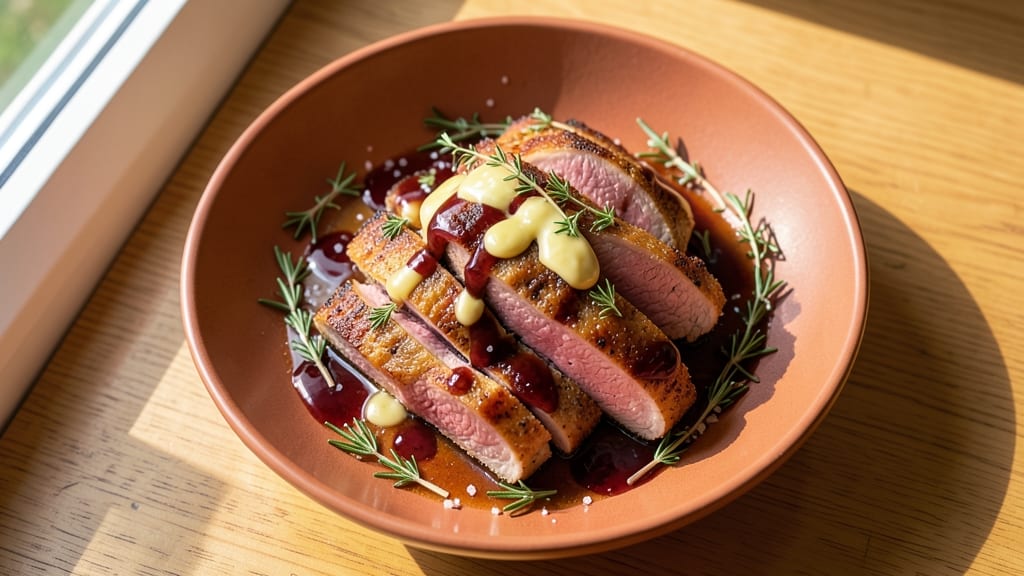
This pork tenderloin recipe with apple juice transforms simple ingredients into a dish that's impossibly tender and caramelized at the edges. The apple juice isn't just a liquid—it's the secret weapon that tenderizes the meat while adding a subtle sweetness that balances the savory spices.
I developed this recipe after years of experimenting with braising techniques, and it never fails to impress. The magic happens when you sear the pork first, creating a flavorful crust that locks in juices, then braise it slowly in apple juice with aromatic spices.
This method ensures the meat stays tender while developing deep, complex flavors. The apple juice reduces slightly, creating a glossy, caramelized sauce that coats every bite. By the end, you'll have perfectly cooked pork tenderloin with a golden-brown exterior and a fork-tender interior.
The sauce is rich, slightly sweet, and packed with flavor—ideal for serving over mashed potatoes, roasted vegetables, or crusty bread. It's a dish that feels special but comes together with simple techniques. This recipe is perfect for weeknight dinners or special occasions, and it reheats beautifully for leftovers.
Let's get started!
Ingredients for pork tenderloin recipe with apple juice
Twelve ingredients transform into a restaurant-worthy pork tenderloin with caramelized edges and tender interior.
| Ingredient | Amount | Notes |
|---|---|---|
| Pork Tenderloin 🥩 | 1 ½ lb | Center-cut, trimmed of silver skin |
| Unsalted Butter 🧈 | 2 tbsp | Cold, cut into pats |
| Apple Juice 🍎 | 1 ½ cups | Unfiltered, preferably organic |
| Garlic Cloves 🧄 | 4 cloves | Smashed, skin-on for deeper flavor |
| Fresh Thyme Leaves 🌿 | 1 tbsp | Stems removed, finely chopped |
| Fresh Rosemary 🌿 | 1 tbsp | Needles finely chopped |
| Diamond Crystal Kosher Salt 🧂 | 1 ½ tsp | For seasoning, not for curing |
| Freshly Ground Black Pepper 🌶️ | ½ tsp | Coarsely cracked |
| Brown Sugar 🍚 | 1 tbsp | Light or dark, packed |
| Apple Cider Vinegar 🍶 | 1 tbsp | For brightness and depth |
| Heavy Cream 🥛 | ¼ cup | Full-fat for richness |
| All-Purpose Flour 🌾 | 1 tbsp | For sauce thickening |
The pork tenderloin should be center-cut—thicker cuts stay more tender during braising. Butcher shops often carry the best quality, but most grocery stores stock it in the meat case. Look for a piece with good marbling and even thickness—about 1.5 inches at its thickest. If you can't find unsalted butter, European-style butter with 82% fat content works perfectly. For the apple juice, unfiltered varieties like those from Mott's or Tree Top add more depth than filtered brands. Fresh herbs are non-negotiable here—their aroma infuses the braising liquid, creating layers of flavor that jarred seasonings simply can't match.
No fresh thyme? Dried thyme at one-third the amount works in a pinch, but the flavor won't be as bright. Substituting apple cider for the apple juice changes the texture slightly—it's more tart and less sweet, so you might want to add an extra teaspoon of brown sugar to balance it. For a dairy-free version, swap the heavy cream for full-fat coconut milk, though the sauce will have a different mouthfeel. If you're short on time, pre-minced garlic from a tube saves steps, though freshly smashed cloves with skins on develop more flavor. The brown sugar can be omitted if you prefer a less sweet profile, but it helps caramelize the edges beautifully during searing.
Pork tenderloin stays fresh for 3-4 days in the fridge when wrapped tightly in butcher paper. The braised sauce, once thickened with cream, keeps for 4-5 days in an airtight container. For longer storage, freeze portions of the sauce separately—it reheats beautifully and adds instant richness to weeknight meals. If you're prepping ahead, sear the pork and store it in the fridge for up to 24 hours before braising, though it's best served fresh from the oven. The herbs can be chopped and stored in an airtight container with a paper towel to absorb moisture, keeping them fresh for up to 5 days in the refrigerator.
Why You'll Love This Recipe
- One-Pan Magic: I swear by this trick—just toss everything on a sheet pan, roast it, and walk away. No fancy searing, no basting, no stress. The apple juice caramelizes into a sticky glaze while the butter bastes the pork, all hands-off.
- Sweet Heat Balance: That first bite? Crispy edges with tender meat, kissed by the tangy-sweet apple juice and garlic. Honestly, the thyme ties it all together—earthy but bright, like a hug in a bite. (Yes, even on a Tuesday night.)
- Leftovers That Shine: Slice the pork thin, toss it in a salad with some greens and toasted nuts, or pile it onto crusty bread with extra pan drippings. I’ve turned this into a sandwich filling, a stir-fry, and even a breakfast hash—it’s that versatile.
- Budget-Friendly Feast: Pork tenderloin is lean but mighty, and this method makes it feel special without breaking the bank. A single roast feeds four, and the apple juice adds depth for pennies. My secret weapon for feeding a crowd without the grocery shock.
Step-by-step instructions for sweet-spiced pork tenderloin braise
Transform simple ingredients into melt-in-your-mouth pork with caramelized edges and aromatic depth.
Season and Sear the Pork Tenderloin
Pat the 1.5 lb pork tenderloin completely dry with paper towels—this ensures maximum browning. In a small bowl, combine the 1.5 tsp Diamond Crystal kosher salt, 0.5 tsp freshly ground black pepper, 1 tbsp brown sugar, 1 tbsp finely chopped fresh thyme leaves, and 1 tbsp finely chopped fresh rosemary. Rub this mixture evenly over the entire surface of the pork, pressing it into the meat so it adheres.
Heat a large oven-safe skillet over medium-high heat and add the 2 tbsp cold unsalted butter. Once the butter foams, add the pork tenderloin and sear for 3-4 minutes per side until golden brown and deeply caramelized. The goal is to develop a rich crust that will later absorb the apple juice and sauce. Remove the pork from the skillet and set it aside on a plate.
Build the Apple Juice Braising Base
Reduce the heat to medium and add the 4 smashed garlic cloves (skin-on) to the same skillet. Cook for 1 minute until fragrant but not browned—this preserves their sweetness. Pour in the 1.5 cups apple juice and scrape up any browned bits from the bottom of the pan with a wooden spoon. These bits are packed with flavor that will deepen your sauce.
Add the 1 tbsp apple cider vinegar and bring the mixture to a gentle simmer. Let it cook uncovered for 5 minutes to allow the liquid to reduce slightly and intensify in flavor. The aroma should be rich and slightly tangy—this is the foundation of your braise. Keep the heat at a steady simmer; you don't want it to boil vigorously.
Braise Until Fork-Tender
Return the pork tenderloin to the skillet, placing it in the reduced apple juice mixture. Bring everything to a gentle simmer, then cover the skillet with a lid and transfer it to a preheated 350°F oven. Braise for 25-30 minutes, or until the internal temperature reaches 145°F and the pork is fork-tender. The pork should be moist and easily pull apart with minimal resistance.
Here's the thing—don't be tempted to check the temperature early. The pork needs time to absorb all those sweet, spiced flavors. If the liquid reduces too much before the pork is done, add 2-3 tablespoons of water to maintain moisture. The goal is tender, flavorful meat with a glossy, caramelized surface.
Finish with Creamy Depth
Once the pork reaches 145°F, remove the skillet from the oven and let it rest for 5 minutes. In a small bowl, whisk together the 0.25 cup heavy cream and 1 tbsp all-purpose flour until smooth. Slowly pour this mixture into the skillet with the pork and apple juice braise. Return the skillet to the stovetop over medium-low heat and simmer for 3-4 minutes until the sauce thickens slightly and coats the back of a spoon.
The sauce should be velvety and cling to the pork, enhancing its natural tenderness. If it's too thick, whisk in 1 tablespoon of hot apple juice to loosen it. Taste and adjust seasoning with additional salt or pepper if needed. The final dish should balance sweet, tangy, and savory notes with a luxurious creaminess.
Rest and Serve
Transfer the pork tenderloin to a cutting board and let it rest for 10 minutes before slicing. This resting period allows the juices to redistribute, ensuring each bite is moist and flavorful. Slice the pork into ½-inch thick medallions and arrange them on a warm serving platter. Spoon the creamy apple juice sauce over the top and serve immediately.
For presentation, garnish with additional chopped fresh thyme and rosemary. The dish pairs beautifully with roasted root vegetables or a simple green salad. The caramelized edges contrast perfectly with the tender interior, creating a harmonious balance of textures and flavors that will impress even the most discerning diners.
Pro Tips For Making Pork Tenderloin Recipe With Apple Juice
- USE A THERMOMETER: The apple juice keeps things moist, but pork tenderloin can dry out fast if you guess at doneness. Hit 145°F internal temp—any lower, it’s rubbery; any higher, and you’re fighting moisture.
- SALT THE PORK FIRST: I used to skip this, thinking the butter and apple juice would add enough flavor. Wrong. Pat the tenderloin dry, then season generously with salt and pepper 30 minutes before cooking—it makes the crust crisp and the meat juicier when braised.
- DEGLAZE WITH APPLE JUICE: After searing the pork, don’t just dump the apple juice in—let those browned bits hit the pan first. Add a splash of juice to scrape up the fond, then pour in the rest. That caramelized layer adds depth the plain juice can’t match.
- SKIP THE CROWDED PAN: Thyme leaves and garlic cloves love space. If your pan’s too small, the herbs will steam instead of infuse. Use a wide skillet, spread the aromatics out, and let them sizzle—this guarantees flavor, not just soggy greens.
Essential equipment for this dish
Oven-Safe Skillet
This is my non-negotiable tool for this recipe—it needs to handle both stovetop searing and oven braising. I use a 12-inch cast iron skillet from Lodge because it distributes heat evenly and retains it beautifully, but any oven-safe skillet with a 3-4 quart capacity will work.
If you don't have cast iron, a heavy stainless steel skillet like All-Clad is a great alternative. Just avoid thin, flimsy pans—they won't hold up to the high heat needed for searing. 🔥
Meat Thermometer
Don't skip this—pork tenderloin cooks quickly, and overcooking turns it dry. I swear by a ThermoWorks Smoke thermometer because it's precise and has a long probe for deep insertion. The instant-read feature lets me check the internal temperature without opening the oven, which is crucial for maintaining consistent heat.
A budget-friendly option is the Taylor Precision Digital Thermometer, which reads accurately for about half the price.
Wooden Spoon
A heat-resistant wooden spoon is essential for deglazing the pan after searing. I use a 12-inch hickory spoon because it's sturdy enough to scrape up those flavorful browned bits without bending. Avoid metal utensils during deglazing—they can scratch your skillet and release harmful chemicals when heated.
For extra durability, I keep mine in the oven while cooking so it stays warm and pliable.
Mixing Bowls
You'll need at least two bowls: one for mixing your spice rub and another for whisking the cream and flour mixture. I prefer stainless steel bowls because they're easy to clean and don't absorb odors, but any non-reactive material works.
For the spice rub, a small ceramic bowl helps keep the spices contained while you're rubbing them onto the pork. Pro tip: Keep a paper towel nearby to wipe your hands clean between steps—apple juice and spices make a messy combo! 🧂
Tongs for Resting
After braising, you'll want to transfer the pork to a cutting board without piercing it. Kitchen twine and tongs make this easy. I use stainless steel tongs to lift the pork gently out of the skillet, then secure it with butcher's twine while it rests.
This keeps the slices neat when you're ready to serve. If you don't have tongs, a spatula with a long handle works in a pinch, but tongs give you better control.
Optional: Immersion Blender
If you want an ultra-smooth sauce, an immersion blender lets you blend the reduced apple juice mixture right in the skillet. I use a Cuisinart SmartStick for its variable speed control—just blend for 10-15 seconds after braising to achieve a velvety texture.
This step isn't necessary, but it elevates the dish to restaurant-quality. For a quick alternative, transfer a ladle of sauce to a regular blender and blend briefly, then return it to the skillet to heat through.
Nutrition facts
Frequently asked questions
Can I substitute apple cider for apple juice in this recipe?
You can use apple cider, but the flavor will be more tart and less sweet. For balance, reduce the apple cider to 1 cup and add ½ teaspoon extra brown sugar to compensate. The texture will be slightly thicker since cider has more pulp.
How do I keep the pork from drying out during braising?
Never let the apple juice mixture boil vigorously—keep it at a gentle simmer to prevent evaporation. If the liquid reduces too much before the pork is done (145°F), add 2-3 tablespoons of water or apple juice to maintain moisture. Covering tightly with a lid also helps trap steam.
Can I make this recipe in a slow cooker instead of an oven?
Sear the pork as directed, then transfer it to a slow cooker with the apple juice mixture. Cook on low for 4-5 hours or high for 2-3 hours until fork-tender. Finish by whisking in the cream mixture on the stovetop for 3-4 minutes to thicken the sauce.
What's the best way to reheat leftovers?
Reheat gently in a skillet with a splash of apple juice or water over low heat for 5-7 minutes until warmed through. Avoid microwaving—it can make the pork dry. For the sauce, warm it separately and stir in a little cream to restore its velvety texture.
Why did my pork turn out dry even though I followed the recipe?
Overcooking is the most common cause. Use a meat thermometer and remove the pork when it hits 145°F—no higher! Also, ensure your pan isn't too hot during searing (medium-high heat), which can cook the exterior too quickly. Pat the pork dry before seasoning to prevent steaming.