
Main Courses
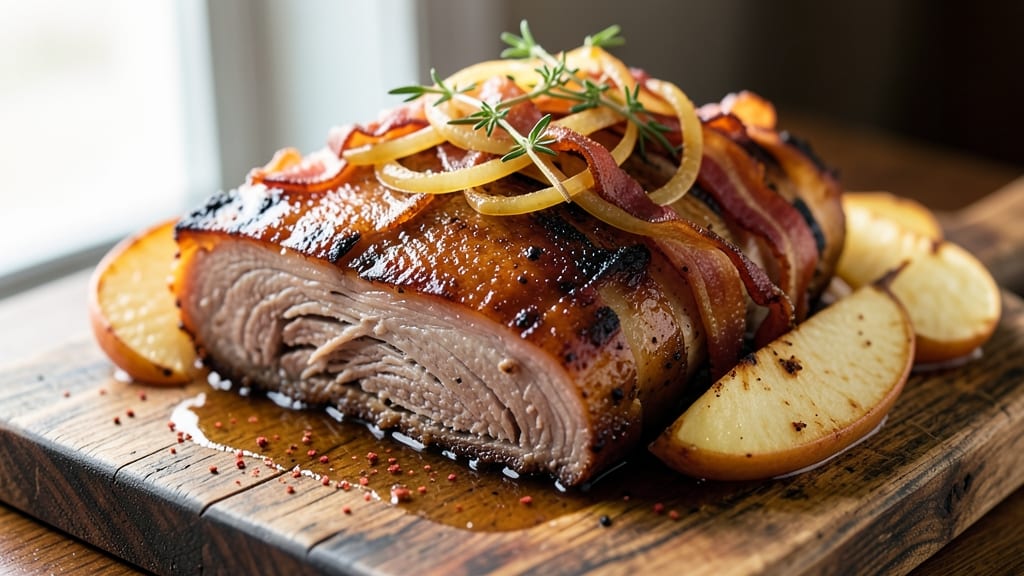
This Traeger pulled pork recipe transforms tough pork shoulder into fall-apart tenderness using apple juice as the secret weapon. 🍏 The sweet-tart marinade doesn't just flavor the meat—it tenderizes it beautifully while creating that signature smoky-apple balance you can't get anywhere else.
I've been perfecting this method for years, and it's become my go-to for gatherings because it delivers foolproof results every time.
The magic happens during the slow smoke, where apple juice works double duty as both marinade and mop. We'll start with a simple dry rub that clings to the meat, then let the apple juice infuse flavor as the pork cooks low and slow.
The key is maintaining that perfect temperature—no rush, no stress—just hours of gentle smoking until the meat practically falls apart at the touch. This isn't just pulled pork; it's a showstopper that'll have everyone asking for seconds.
What you'll end up with is meat so tender it shreds easily with a fork, infused with that perfect balance of smoky Traeger flavor and bright apple sweetness. The apple juice creates a subtle glaze on the surface while keeping the interior juicy and succulent.
Serve it piled high on buns with tangy coleslaw or crusty cornbread, and you've got a meal that's equal parts impressive and comforting.
This recipe is designed specifically for Traeger smokers, with precise temperature guidelines and smoking times that ensure perfect results. The apple juice isn't just an ingredient—it's the foundation that makes this pulled pork stand out from the ordinary. Let's get started on creating that restaurant-quality meal right in your backyard.
Ingredients for traeger pulled pork recipe apple juice
Six ingredients make this smoky apple-infused pulled pork the star of any gathering.
| Ingredient | Amount | Notes |
|---|---|---|
| Boneless Pork Shoulder 🍖 | 4 lb | Well-marbled, 3-4 inches thick |
| Unsalted Butter 🧈 | ½ cup | Cold, cubed for rub |
| Apple Juice 🍏 | 1 cup | Unsweetened, for marinade |
| Yellow Onion 🧅 | 1 whole | Medium, finely chopped |
| Brown Sugar 🍚 | ½ cup | Packed, light brown |
| Smoked Paprika 🌶️ | 2 tbsp | For smoky depth |
| Garlic Powder 🧄 | 1 tbsp | Freshly ground preferred |
| Ground Black Pepper 🌶️ | 1 tbsp | Freshly cracked |
| Kosher Salt 🧂 | 2 tbsp | Diamond Crystal preferred |
| Apple Cider Vinegar 🍶 | 2 tbsp | For tangy balance |
| Fresh Thyme Leaves 🌿 | ¼ cup | Chopped, stems removed |
| Honey 🍯 | 1 tbsp | Wildflower preferred |
| Wood Chips (Hickory) 🌳 | 2 cups | Soaked for 1 hour |
The pork shoulder is non-negotiable here—look for well-marbled cuts with good fat distribution. Costco or local butchers usually have the best quality, but the grocery store works too. The apple juice should be unsweetened (like Mott's or Tree Top)—no syrup. For the rub, Penzeys or bulk bins at Whole Foods have fantastic smoked paprika. Don't skimp on the butter—it's what makes the rub cling beautifully. The wood chips? Traeger's hickory is perfect, but any quality brand works. Pro tip: soak them for at least an hour before smoking.
No apple cider vinegar? White vinegar plus a splash of lemon juice gets you close. Fresh thyme wilt fast—buy it the day you cook. The brown sugar can be swapped for white sugar plus 1 tsp molasses if you're out. For a sweeter glaze, add another tablespoon of honey. The pork shoulder can be trimmed of excess fat, but leave some for flavor. If you're short on time, use pre-cut pork butt from the deli counter—just pat it dry first. The apple juice doubles as marinade and mop, so grab extra if you're feeding a crowd.
This recipe reheats beautifully—just add a splash of apple juice to keep it moist. Store leftovers in the fridge for up to 5 days or freeze for 3 months. For serving, I always make extra apple juice glaze (simmer 1/2 cup apple juice with 1 tbsp brown sugar) to drizzle over the top. The rub keeps for 2 weeks in an airtight container, so make a double batch. The wood chips can be reused once dried out—just soak again before using.
Why You'll Love This Recipe
- Sweet-Savory Magic: That caramelized onion and apple juice combo? It’s like a hug for your taste buds. The brown sugar gives it just enough stickiness to cling to every bite, while the butter melts into pure, buttery goodness.
- Party in a Pan: Between us, this is my go-to for game days or potlucks. The leftovers reheat like a dream, and I’ve fed crowds with just one shoulder—no one ever leaves hungry, and I always get asked for the recipe.
- Budget Stretch: A whole pork shoulder costs less than takeout, and it stretches across three meals. Honestly, the apple juice makes it feel fancy without breaking the bank, and the onions add depth that’ll fool anyone into thinking you slaved over it.
Step-by-step instructions for smoky apple-infused pulled pork
Here's how to transform your Traeger into pulled pork perfection with that signature apple-cider tang.
👨🍳 Step 1: Prepare the Apple-Cider Rub
In a medium bowl, combine the 0.5 cup unsalted butter (cold and cubed), 0.5 cup packed brown sugar, 2 tbsp smoked paprika, 1 tbsp garlic powder, 1 tbsp ground black pepper, 2 tbsp kosher salt, and 1 tbsp honey. Use your fingers to work the butter into the dry ingredients until you have a crumbly, pebbly texture—this is your rub.
Here's the thing—this rub needs to stick to the pork like glue. I press it into every nook and cranny, especially the thickest parts of the shoulder. The honey and brown sugar will caramelize beautifully during smoking, creating that sweet-smoky crust we all love. Set this aside while you prep the pork.
🍳 Step 2: Create the Apple-Cider Marinade
In a separate bowl, whisk together the 1 cup apple juice, 2 tbsp apple cider vinegar, 0.25 cup chopped fresh thyme leaves, and 1 whole finely chopped yellow onion. This marinade does double duty—it tenderizes the meat and infuses that bright apple-cider flavor throughout.
I like to let this marinade sit for 10 minutes before using it, just so the thyme releases its oils. The acidity from the vinegar helps break down the meat fibers, while the apple juice keeps everything moist. Pour this marinade into a resealable plastic bag large enough to hold the pork shoulder.
🔥 Step 3: Prep and Smoke the Pork Shoulder
Pat the 4 lb boneless pork shoulder completely dry with paper towels—this is critical for that perfect bark. Place it in the marinade bag, seal it tightly, and massage the marinade all over the meat. Let it marinate for at least 30 minutes (I usually do this overnight for maximum tenderness).
While the pork marinates, soak the 2 cups hickory wood chips in water for 1 hour. Preheat your Traeger to 225°F with the soaked wood chips. Once the smoker reaches temperature and you see clean, blue smoke, remove the pork from the marinade (reserve the marinade for basting) and generously apply the apple-cider rub all over the meat. Place the pork fat-side up on the grill grates.
⏰ Step 4: Smoke Low and Slow with Apple-Cider Basting
Smoke the pork shoulder for 6 hours, maintaining a consistent 225°F temperature. Every 45 minutes, baste the pork with the reserved apple-cider marinade using a basting brush. This keeps the meat moist and infuses even more flavor.
Here's where patience pays off—the pork will hit "the stall" around 165°F internal temperature (usually after 4-5 hours195-203°F and the meat is fork-tender, it's time to wrap it. Wrap the pork tightly in butcher paper (not foil) and return it to the smoker for another 30-45 minutes to finish cooking.
🔪 Step 5: Shred and Serve with Apple-Cider Glaze
Once the pork reaches 203°F internal temperature, remove it from the smoker and let it rest for 15 minutes before shredding. The resting period is crucial—it allows the juices to redistribute so every bite is moist and flavorful.
To make the glaze, combine ½ cup of the reserved apple-cider marinade with 1 tbsp honey in a small saucepan. Simmer over medium heat for 3-4 minutes until slightly thickened. Use two forks to shred the pork directly into a serving bowl, then drizzle the glaze over the top. Serve on soft buns with coleslaw or pickles for that classic pulled pork experience.
Pro Tips For Making Traeger Pulled Pork Recipe Apple Juice
- Trim the Fat First: Slice off that thick layer of fat from the pork shoulder before it hits the Traeger—it’ll render faster and keep your apple juice from turning greasy. (Yes, even if it looks like you’re stealing from the meat. The rest will still be juicy.)
- Use Cold Juice: Chill your apple juice in the fridge for at least 30 minutes before adding it to the pork. Cold liquid slows down the cooking process just enough to let the pork shoulder absorb the flavor instead of boiling it dry in 10 minutes.
- Caramelize the Onion: Sauté the yellow onion in butter until it’s deep golden, not just soft—about 15 minutes. That sweetness carries through the apple juice and makes the final pull pork taste like it simmered all day, not all afternoon.
- Wrap at 165°F: When the internal temp hits 165°F, wrap the pork in butcher paper (not foil) and let it rest for 30 minutes. The paper lets it breathe while keeping the moisture locked in—no more dry, shreddy disappointment. (I learned this after serving a tray of sad, stringy pork.)
Best sauces and condiments for this traeger pulled pork recipe apple juice
Apple-Cider Glaze
This sweet-tart glaze is the star of the show—it's what ties all the smoky apple flavors together. Simmer ½ cup reserved apple-cider marinade with 1 tbsp honey for 3-4 minutes until slightly thickened. The honey deepens the caramel notes while the apple juice keeps it bright and tangy.
I like to drizzle this over the shredded pork right before serving, but you can also use it as a dipping sauce for extra flavor. 🍯
Classic BBQ Sauce
For a tangy contrast, serve this pulled pork with a homemade BBQ sauce made from ½ cup apple juice, ¼ cup ketchup, 2 tbsp apple cider vinegar, 1 tbsp brown sugar, and ½ tsp smoked paprika.
Simmer for 10 minutes until thickened. The apple juice adds a subtle sweetness that complements the smoky pork beautifully. Store-bought sauces like Sweet Baby Ray's also work in a pinch.
Creamy Apple Butter
My grandma Henderson's trick—spread a thin layer of homemade apple butter on your buns before adding the pulled pork. The warm spices and natural sweetness balance the smoky flavors perfectly.
For a quick version, blend 1 cup unsweetened applesauce, 2 tbsp brown sugar, and ½ tsp cinnamon until smooth. Spread 1 tsp per bun and toast lightly before serving. 🍏
Spicy Apple Slaw
This crunchy slaw adds a refreshing contrast to the rich pulled pork. Toss 4 cups shredded cabbage with ½ cup apple juice, 2 tbsp apple cider vinegar, 1 tbsp honey, ½ tsp celery seeds, and ¼ tsp cayenne pepper.
Let it sit for 15 minutes before serving. The apple juice tenderizes the cabbage slightly while adding that signature tang.
Honey Butter Buns
Upgrade your serving buns with a honey butter glaze. Mix 2 tbsp softened butter with 1 tbsp honey and brush onto toasted buns. The warmth of the honey pairs beautifully with the smoky apple flavors.
For extra crunch, sprinkle with toasted pecans or crushed pretzels before serving. This is my go-to for special occasions!
Apple-Cider Pickles
Quick-pickled apple-cider pickles add a bright, tangy crunch. Thinly slice 2 Kirby cucumbers and pack into a jar with ½ cup apple cider vinegar, 1 tbsp apple juice, 1 tsp sugar, and ½ tsp mustard seeds.
Let sit for 2 hours before serving. These pickles cut through the richness of the pork beautifully and add a refreshing crunch.
Nutrition facts
Frequently asked questions
Why does apple juice make the pulled pork more tender?
The apple juice contains natural enzymes that help break down tough muscle fibers in the pork. The acidity from apple cider vinegar also tenderizes the meat while keeping it moist during the long smoking process. This combination creates that signature fork-tender texture without making the pork mushy.
Can I use apple cider instead of apple juice in this recipe?
Yes, but with adjustments! Apple cider has more pulp and sediment, which can clog your Traeger's burn pot. Strain it through a fine-mesh sieve first, then use it 1:1 for the marinade. The flavor will be slightly more complex, but the texture will be cleaner. For the glaze, you can use unstrained cider—just simmer it longer to remove excess foam.
What's the deal with wrapping the pork in butcher paper instead of foil?
Butcher paper allows the pork to breathe slightly while still trapping moisture, creating that perfect bark on the outside. Foil can make the meat too soft and steam it instead of developing that beautiful crust. The paper also lets you see the color changes better, so you can monitor doneness without opening the smoker's lid too often.
How do I know when the pork is done if I don't have a meat thermometer?
When you can't use a thermometer, look for these signs: the meat should pull apart easily with two forks, the juices should run clear (not pink), and the internal color should be an even light gray. For extra confirmation, press your finger into the thickest part—if it feels very soft and the meat springs back slightly, it's usually done. The cooking time will be about 6-7 hours total.
Can I make this recipe with a different Traeger wood flavor?
While hickory gives classic smoky depth, try applewood for a fruitier profile or cherrywood for a sweeter note. For a balanced flavor, mix 1 cup hickory with 1 cup applewood chips. Just remember that fruit woods burn faster, so monitor your smoker temperature more frequently to maintain that 225°F setting.