
Sauces & Condiments
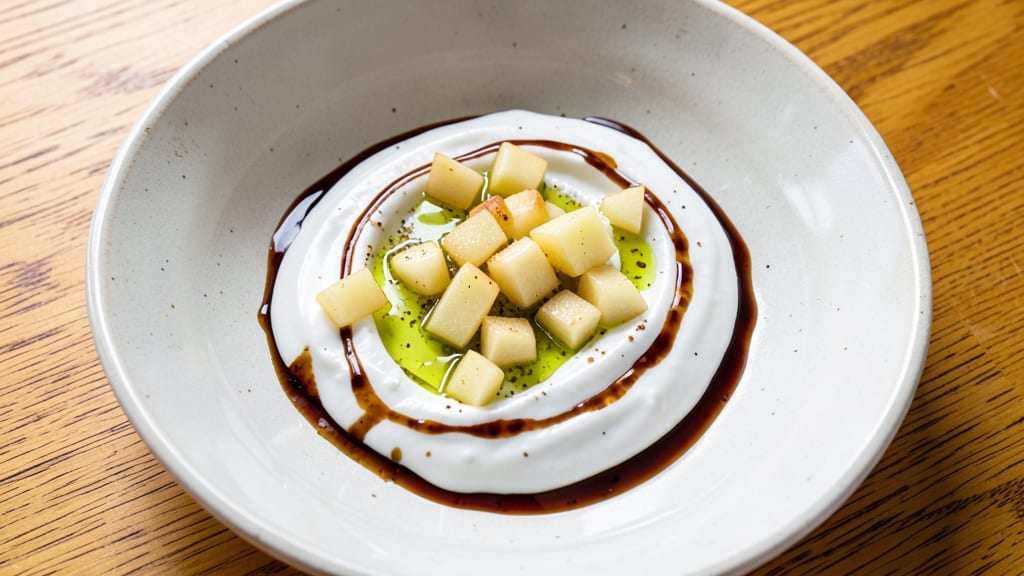
This white balsamic apple vinaigrette dressing recipe transforms ordinary salads into vibrant, flavor-packed meals with just a few simple ingredients. The secret lies in balancing sweet apple cider vinegar with tangy white balsamic, creating a dressing that's bright, complex, and impossible to resist.
It's the kind of sauce that elevates everything from simple greens to hearty grain bowls. What makes this recipe special is its versatility and ease—no fancy equipment required, just a whisk or blender to combine the ingredients seamlessly.
The apple adds natural sweetness while the white balsamic brings depth, making this dressing perfect for fall harvests or any time you crave a flavor boost. It's also vegan-friendly and keeps well in the fridge for up to a week.
The result is a silky, well-emulsified dressing with a perfect balance of sweet, tart, and tangy notes. Drizzle it over mixed greens, roasted vegetables, or even grilled chicken for an instant flavor upgrade.
The texture is smooth and clings beautifully, ensuring every bite is packed with flavor without overpowering your dish. Whether you're prepping for meal prep or adding a finishing touch to a last-minute salad, this dressing delivers restaurant-quality results in minutes. Let's make it—your taste buds will thank you.
Ingredients for white balsamic apple vinaigrette dressing
Nine simple ingredients. One vibrant dressing. Perfect for fall harvests or quick salads.
| Ingredient | Amount | Notes |
|---|---|---|
| Apple Cider Vinegar 🍎 | ½ cup | Raw, unfiltered preferred |
| White Balsamic Vinegar 🍷 | ¼ cup | High-quality, aged variety |
| Extra-Virgin Olive Oil 🫒 | ½ cup | Light, fruity flavor preferred |
| Granulated Sugar 🍚 | 2 tbsp | Or maple syrup for depth |
| Dijon Mustard 🌶️ | 1 tbsp | Mild or classic variety |
| Fresh Lemon Juice 🍋 | 1 tbsp | Freshly squeezed |
| Salt 🧂 | ½ tsp | Sea salt preferred |
| Black Pepper 🌶️ | ¼ tsp | Freshly ground preferred |
| Fresh Apple 🍏 | ½ cup | Diced, sweet variety |
The white balsamic is the star here—look for aged varieties at Trader Joe's or Whole Foods for that rich, caramel-like depth. Apple cider vinegar? Raw, unfiltered brands like Braggs add complexity. Fresh apple is non-negotiable for that natural sweetness—Honeycrisp or Fuji work best. I always grab extra apple because it doubles as a snack. The olive oil matters too—light, fruity varieties won't overpower the apple's brightness. Skip the cheap stuff, trust me on this.
No white balsamic? Substitute with extra apple cider vinegar plus 1 tsp maple syrup. Dijon mustard can be swapped for regular yellow mustard, but you'll lose some depth. Running low on fresh apple? Unsweetened applesauce at half the amount works in a pinch. The sugar can be swapped for maple syrup or agave—just reduce to 1.5 tbsp since it's sweeter. Lemon juice? Bottled works, but fresh is always better. For a tangier dressing, add an extra splash of vinegar.
This keeps beautifully in the fridge for up to 1 week—just give it a quick shake before using. For meal prep, divide into small jars so you're not dealing with one big bottle. The dressing thickens slightly when chilled, so thin with a splash of water or vinegar if needed. Freezes for up to 3 months if you want to make a big batch. I always make double—it disappears fast.
Why You'll Love This Recipe
- Five-Ingredient Magic: I swear by this—just vinegar, oil, sugar, mustard, and a splash of balsamic. No fancy gadgets, no second-guessing. The white balsamic mellows out the sharpness of the apple cider while the Dijon mustard adds that little kick that makes you go, "Wait, that’s it?"
- Sweet-Tart Balance: That touch of granulated sugar isn’t just for sweetness—it rounds out the tangy vinegars so the dressing doesn’t hit like a wall. The olive oil ties it all together, giving it this silky richness that makes it way more than just a side. Honestly, it’s the kind of flavor that sneaks up on you.
- Works Everywhere: Drizzle it over greens for a lunch upgrade, toss it with roasted veggies, or use it as a marinade for chicken. I’ve even poured it over buttered corn—yes, really. It’s the kind of dressing that doesn’t demand a spotlight but makes everything it touches better.
- Leftovers? Better Than New: This dressing actually improves after a day or two in the fridge. The flavors meld, and the acidity mellows just enough to make it even more approachable. Plus, it’s cheap to make—you’ll have enough for at least four meals, and your wallet won’t flinch.
Step-by-step instructions for white balsamic apple vinaigrette dressing
Here's how to make this bright, balanced dressing that's perfect for salads and bowls.
Dice the Fresh Apple
Start with the ½ cup fresh apple, choosing a sweet variety like Fuji or Gala. Cut it into small, even dice—about ¼-inch pieces. You want the texture to add a pleasant crunch without overpowering the dressing. I like to work quickly here so the apple doesn't oxidize and turn brown.
Place the diced apple in a small bowl and immediately sprinkle with ½ teaspoon salt. This helps draw out moisture and prevents the apple from becoming mushy. Let it sit for 5 minutes while you prepare the other ingredients. This step is crucial for balancing the flavors and ensuring the apple contributes just the right amount of sweetness and texture.
Whisk Together the Vinegars and Sugar
In a medium bowl, combine the ½ cup apple cider vinegar and ¼ cup white balsamic vinegar. These two vinegars work together to create a bright, tangy base that's less harsh than apple cider alone. Add the 2 tablespoons granulated sugar and whisk until it dissolves completely—you should see a smooth, pale liquid with no graininess.
Here's the thing—this mixture should taste perfectly balanced on its own. If it's too sweet, you'll need to adjust later with more vinegar. If it's too tart, add a pinch more sugar. The goal is to create a foundation that's already harmonious before adding the other ingredients. Taste it now and make any necessary adjustments.
Incorporate the Dijon Mustard and Lemon Juice
Add the 1 tablespoon Dijon mustard and 1 tablespoon fresh lemon juice to the vinegar mixture. The Dijon mustard adds a subtle depth of flavor and helps emulsify the dressing, while the lemon juice brightens everything up. Whisk vigorously for 30 seconds until fully combined and smooth.
This is where the magic happens—the mustard and lemon juice work together to create a complex flavor profile that's both tangy and slightly complex. You'll notice the mixture thicken slightly as you whisk. If it starts to look too thick, you can add 1-2 teaspoons of water to loosen it up, but usually, it's just right at this stage.
Slowly Add the Olive Oil
With the whisk still in the bowl, begin adding the ½ cup extra-virgin olive oil very slowly—about 1 tablespoon at a time. This gradual approach is key to creating a stable emulsion. Whisk continuously until the oil is fully incorporated after each addition. You're looking for a smooth, creamy texture that coats the back of a spoon.
I know it seems tedious, but rushing this step often leads to a dressing that separates. The olive oil should blend seamlessly with the vinegar mixture, creating a silky texture. If you're patient and whisk steadily, you'll end up with a dressing that stays beautifully emulsified for days in the fridge.
Combine and Rest Before Serving
Drain any excess liquid from the salted apple dice and add them to the dressing. Gently fold them in with a spoon to distribute them evenly throughout. Finish by adding the ¼ teaspoon black pepper and giving everything one final stir. The apple pieces should be evenly distributed but still visible, adding both texture and a touch of natural sweetness.
Let the dressing rest for 10 minutes at room temperature. This allows all the flavors to meld together perfectly. The apple will soften slightly, releasing its juices and enhancing the overall taste. Once rested, give it one final taste and adjust the seasoning if needed—perhaps a touch more salt or a splash of vinegar to balance the flavors exactly to your liking.
Pro Tips For Making White Balsamic Apple Vinaigrette Dressing
- Whisk in Stages: Start by mixing the vinegars and sugar first—this helps dissolve the sugar completely before adding the oil. I used to dump everything in at once and ended up with grainy bits that ruined the texture. Let the sugar sit for 30 seconds while you whisk the vinegars together, then add the mustard and oil slowly.
- Use Cold Oil: Chill your extra-virgin olive oil in the fridge for 10 minutes before measuring—it thickens slightly and emulsifies better. I learned this the hard way after making dressing that split into oily layers. Cold oil also highlights the bright acidity of the vinegars instead of muting it.
- Balance the Mustard: Taste after adding the Dijon and adjust—if it’s too sharp, add a pinch more sugar; if too sweet, a splash of apple cider vinegar cuts through it. Most recipes call for 1 teaspoon, but I often need ½ teaspoon less. Trust your palate, not the recipe.
- Infuse the Vinegars: Warm the white balsamic vinegar gently (just until steaming) before mixing—this softens its harshness and deepens its flavor. Skip this, and the dressing will taste one-note. Use a small saucepan and remove it from heat the second it starts to shimmer.
Regional styles of this white balsamic apple vinaigrette dressing
French Fall Harvest
In France, this dressing shines as a vinaigrette d'automne—perfect for rustic salads with butternut squash and walnuts. The French often use white balsamic from Modena for depth, paired with sparkling water to lighten the texture.
I love adding thinly sliced pear instead of apple for a more elegant touch. Serve with roasted duck confit for a true bistro experience. 🍷
Italian Rustic Twist
Italy transforms this into a salsa verde by swapping white balsamic for aged balsamic glaze and adding fresh basil. The Italians drizzle it over crostini with prosciutto or grilled eggplant.
I've seen it used as a marinade for chicken cutlets—just let the meat soak for 30 minutes before cooking. For extra authenticity, finish with flaky sea salt from Sicily.
American Farmhouse
In the US, this dressing became a harvest staple at farm-to-table restaurants. Chefs often add local honey instead of sugar and crispy fried shallots for texture. I've seen it paired with smoked gouda and apple slices on charcuterie boards.
For a Southern twist, add hot honey and serve over collard greens with crispy bacon. The contrast of sweet and smoky is unbeatable. 🍎
Scandinavian Lightness
Nordic countries prefer a lighter version using cloudberry jam instead of sugar and dill for freshness. They drizzle it over cold beetroot salads or smoked salmon. I once made it with lingonberry jam—the tartness balanced the apple perfectly.
For a Scandinavian touch, add fresh dill and serve with pickled herring on rye bread. The acidity cuts through the richness beautifully.
Japanese Fusion
In Japan, this dressing gets a umami boost with mirin and sesame oil. They call it ringo vinaigrette and serve it with warm miso-glazed tofu or grilled shiitake mushrooms. I've experimented with adding grated daikon for crunch and a dash of soy sauce—it adds a surprising depth.
For a fusion twist, top with toasted sesame seeds and thinly sliced scallions.
Nutrition facts
Frequently asked questions
Can I make this dressing without fresh apple?
Yes! For convenience, substitute ½ cup unsweetened applesauce or ¼ cup apple cider reduction (simmer apple cider until thickened). If using applesauce, reduce the sugar to 1 tablespoon since it's already sweet. The texture will be smoother but still delicious—just expect slightly less crunch.
How do I prevent the dressing from separating?
Emulsification is key! Always add the olive oil slowly while whisking vigorously. If it starts separating, whisk again or add 1 teaspoon Dijon mustard to help bind it. Store in an airtight container and shake before each use. For extra stability, blend all ingredients until completely smooth.
What's the best way to store leftovers?
Keep in an airtight container in the fridge for up to 1 week. The flavors actually improve overnight! If it thickens, thin with 1 teaspoon water or vinegar. For longer storage, freeze for up to 3 months—thaw in the fridge and shake well before using.
Can I use this dressing on cooked proteins?
It works beautifully as a marinade for chicken, pork, or tofu—let it sit for 30-60 minutes before cooking. Try it as a finishing sauce for grilled salmon or roasted vegetables. The sweet-tart balance enhances savory dishes perfectly. Just reduce the marinating time to 15 minutes for delicate fish.
Why does my dressing taste too sweet?
This usually means the vinegar balance is off. Add 1-2 teaspoons more apple cider vinegar and whisk well. If using sweet apples, reduce sugar to 1.5 tablespoons next time. Taste as you go—this dressing should have a bright, tangy finish, not cloying sweetness.