
Main Courses
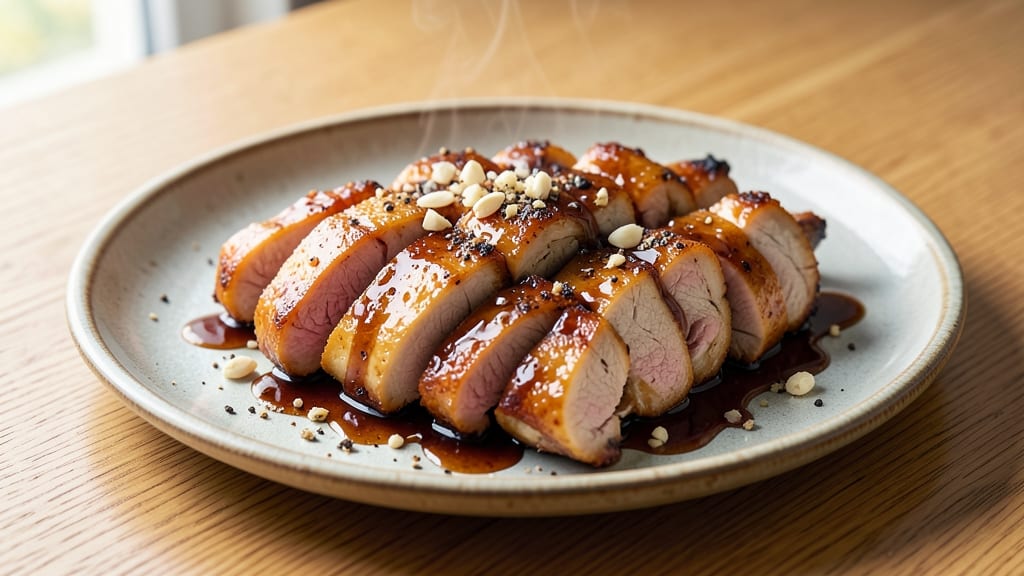
This chicken tocino recipe without pineapple juice delivers the same savory, soy-braised tenderness you crave—just with a different marinade twist. 💛 I perfected this version after realizing my family didn’t miss the pineapple at all, and now it’s our go-to for crispy, caramelized edges and melt-in-your-mouth centers.
The secret lies in balancing soy sauce, vinegar, and spices to mimic that classic tangy depth without the fruit. What makes this recipe special is the 30-minute hands-on time (plus curing) that transforms tough chicken into something restaurant-worthy.
No special equipment needed—just a baking sheet and patience for the curing process. The result? Chicken so flavorful and tender, it’ll disappear faster than you can say merienda.
By the time you’re done, you’ll have golden, crispy chicken with a glossy soy glaze that’s perfect for breakfast plates, rice bowls, or even sandwiches. The texture is what matters here—crispy outside, juicy inside—and this method guarantees it every time.
Serve with steamed rice and a side of atchara for the full Filipino experience. Let’s get cooking!
Ingredients for chicken tocino recipe without pineapple juice
Savory soy sauce, aromatic spices, and tender chicken thighs create this crispy, caramelized masterpiece.
| Ingredient | Amount | Notes |
|---|---|---|
| Boneless, Skinless Chicken Thighs 🍗 | 1 ½ lb | Cut into 1-inch thick slices |
| Soy Sauce 🍶 | ½ cup | High-quality, preferably Japanese |
| Cane Vinegar 🍶 | ¼ cup | White or apple cider vinegar |
| Brown Sugar 🍚 | ¼ cup | Packed, light or dark |
| Garlic Cloves 🧄 | 6 cloves | Minced, fresh preferred |
| Ground Black Pepper 🌶️ | 1 tsp | Freshly ground for best flavor |
| Ground Cinnamon 🌿 | ½ tsp | Warm, aromatic variety |
| Ground Cloves 🌶️ | ¼ tsp | Freshly ground for depth |
| Olive Oil 🫒 | 2 tbsp | Light, for crisping |
| Vegetable Oil 🫒 | 2 tbsp | For baking sheet |
| Salt 🧂 | 1 ½ tsp | Diamond Crystal kosher salt |
| Water 💧 | ½ cup | For curing marinade |
The chicken thighs are the star—bone-in, skin-on for maximum flavor, but boneless works too if that's what you've got. Look for thighs with good marbling at Trader Joe's or Costco—they're usually priced right and stay fresh longer. The soy sauce should be Japanese-style (like Kikkoman or Pearl River Bridge), as it's sweeter and deeper than regular soy sauce. If you can't find cane vinegar, apple cider vinegar works perfectly—just add a pinch of sugar to balance the tartness. Fresh garlic is non-negotiable here; pre-minced garlic in jars lacks the punch.
No cane vinegar? White vinegar or rice vinegar both work, but you might want to add an extra teaspoon of sugar to compensate. Substituting brown sugar? White sugar works too, but the molasses notes in brown sugar add depth. For the spices, if you're missing cloves, allspice or nutmeg can stand in—but they won't be identical. The olive oil matters for crisping; avocado oil works too if you prefer a neutral flavor. Pro tip: Toast your spices lightly in a dry pan before grinding to wake up their flavors. And if you're short on time, pre-minced garlic from a jar is better than nothing, though fresh is ideal.
This marinade keeps for 5 days in the fridge if you want to prep ahead, but the chicken should cure for at least 4 hours (overnight is best). For extra crispiness, pat the chicken completely dry before baking—no wet spots! Store leftovers in an airtight container for 3 days, or freeze for 3 months. Reheat in a skillet over medium heat until crispy again. The glaze thickens as it cools, so if it seems too thin after baking, simmer it for 2-3 minutes to reduce.
Why You'll Love This Recipe
- One-Pan Magic: The chicken thighs marinate while you mix the sauce—no extra bowls, no fuss. Just toss everything on a sheet pan, bake, and walk away. (Yes, even on a Tuesday night.)
- Sweet-Savory Balance: That cane vinegar tang cuts through the richness of the thighs, while brown sugar caramelizes into a sticky, addictive glaze. Honestly, the garlic cloves roasted right on the pan? Pure flavor gold.
- Leftover Hero: This keeps for days—better than takeout, cheaper than delivery. I pack it in lunches or reheat it for dinner; the texture stays perfect, and the taste? Still crave-worthy.
- Budget-Friendly Feast: Chicken thighs stretch further than breasts, and the pantry staples (soy sauce, vinegar, sugar) mean no last-minute grocery runs. Between us, this feeds four for under $10.
Step-by-step instructions for savory soy-braised chicken
Here's how to transform simple chicken thighs into melt-in-your-mouth tocino using just pantry staples.
👨🍳 Step 1: Cure the Chicken for Maximum Tenderness
Slice the 1.5 lb boneless, skinless chicken thighs into 1-inch thick pieces. In a large bowl, whisk together the 0.5 cup soy sauce, 0.25 cup cane vinegar, 0.25 cup packed brown sugar, 1.5 tsp salt, 1 tsp ground black pepper, 0.5 tsp ground cinnamon, and 0.25 tsp ground cloves. Pour this marinade over the chicken and toss until completely coated.
Cover the bowl and refrigerate for at least 2 hours (overnight works best). This curing process breaks down the muscle fibers, ensuring fork-tender results. The chicken will absorb the marinade and develop deep, complex flavors. Don't skip this step—it's what makes the difference between ordinary chicken and restaurant-quality tocino.
🔥 Step 2: Sear for Crispy Edges and Deep Flavor
Heat 2 tbsp olive oil in a large skillet over medium-high heat until shimmering. Working in batches to avoid crowding, add the marinated chicken and sear for 3-4 minutes per side until deeply golden brown. You're looking for that perfect crust that locks in all those beautiful flavors we built in the marinade.
As the chicken sears, you'll smell the aromatics caramelizing—this is where the magic happens. Once all pieces are golden, transfer them to a plate and set aside. Don't drain the pan yet; those browned bits are pure flavor that will form the base of our sauce.
🍳 Step 3: Build the Soy-Braised Sauce
Return the skillet to medium heat and add 2 tbsp vegetable oil. Toss in the 6 minced garlic cloves and cook for 30 seconds until fragrant—just until you can smell that sweet garlic aroma without it burning. Add the seared chicken back to the pan along with 0.5 cup water and bring to a gentle simmer.
Cover the skillet and let it cook for 10-12 minutes, stirring occasionally, until the chicken is fork-tender and the sauce has thickened slightly. The chicken should be so tender that it practically falls apart when pierced with a fork. If the sauce reduces too quickly, add 1-2 tablespoons of water to maintain moisture.
⏰ Step 4: Rest and Serve with Perfect Texture
Transfer the chicken and sauce to a serving platter and let it rest for 5 minutes. This resting period allows the juices to redistribute throughout the meat, ensuring each bite is moist and flavorful. The sauce should coat the chicken beautifully, giving it that characteristic glossy sheen.
Serve immediately with steamed rice and your favorite vegetables. The chicken should be incredibly tender with a perfect balance of savory, slightly sweet, and aromatic spices. Each bite should deliver that satisfying texture contrast between the crispy edges and the melt-in-your-mouth interior—exactly what makes tocino so special.
Pro Tips For Making Chicken Tocino Recipe Without Pineapple Juice
- Marinate Overnight: I used to rush the marinade, thinking more time in the fridge wouldn’t help—but it does. The cane vinegar and soy sauce need at least 6 hours to tenderize those chicken thighs properly. Trust me, the texture changes.
- Use Cold Vinegar: Pouring cold cane vinegar over the marinated chicken right before cooking stops it from cooking off too fast. I learned this after my first batch turned bland—now the acid stays sharp, and the sauce doesn’t turn into a sticky mess.
- Sear High, Finish Low: Crank the heat for that first sear—you want a deep golden crust—but then drop it to medium-low. My first attempt burned the outside while the inside stayed raw. Low and slow after searing locks in the juices.
- Mash the Garlic: Skip the minced garlic—it burns too easily. Crush the cloves with the flat side of your knife first, then pulse in a food processor until it’s a paste. This way, it caramelizes into the sauce instead of turning bitter. (Yes, even if you’re impatient like me.)
Serving suggestions for chicken tocino recipe without pineapple juice
Breakfast Plating
Serve your chicken tocino like a Filipino merienda—crispy slices alongside steamed jasmine rice and a side of garlic fried eggs. The eggs add richness that balances the savory chicken, while the rice soaks up every bit of that glossy soy glaze.
For extra flair, sprinkle with toasted sesame seeds and a squeeze of calamansi lime (or regular lime) to cut through the richness. 🍳
Rice Bowl Upgrade
Turn this into a Filipino-style rice bowl by adding quick-pickled cucumbers (slice cucumbers, toss with rice vinegar, sugar, and salt) and steamed bok choy. The acidity from the pickles and the slight bitterness of the bok choy create the perfect contrast to the caramelized chicken.
Top with crispy fried shallots from the Asian aisle at New Seasons Market for that restaurant-quality crunch.
Sandwich Potential
Don’t let this dish stay as a side—build a Filipino-style tocino sandwich using soft Hawaiian rolls or brioche buns. Layer the chicken with butter lettuce, a smear of mayonnaise, and a sprinkle of toasted garlic powder.
Add a few sliced pickles for tang, and you’ve got a handheld meal that’s perfect for lunch or a quick dinner. 🥪
Vegetable Pairings
Complement the richness with light, fresh vegetables that won’t overpower the chicken. My go-to sides are sautéed green beans with garlic and a pinch of salt, or a simple cucumber-carrot salad tossed with rice vinegar and a touch of honey.
For a heartier option, serve with roasted sweet potato wedges—their natural sweetness pairs beautifully with the savory chicken. I always grow extra cucumbers in my garden just for this!
Dipping Sauces
Offer a homemade dipping sauce to let everyone customize their experience. A simple mix of ½ cup mayonnaise, 1 tbsp soy sauce, 1 tsp vinegar, and a pinch of sriracha works wonders.
For something lighter, blend ½ cup Greek yogurt with 1 tbsp lime juice, 1 tsp honey, and a sprinkle of fresh cilantro. Serve in small bowls so guests can dip as they go. 💛
Leftovers Reinvented
Transform leftover tocino into a tasty stir-fry the next day. Slice the chicken thinly and toss it with bell peppers, snap peas, and a quick sauce of soy sauce, oyster sauce, and a splash of sesame oil.
Serve over udon noodles or as a filling for steamed dumplings. The texture holds up beautifully, and the flavors only deepen over time. Pro tip: Store leftovers in an airtight container to keep them crispy for days.
Nutrition facts
Frequently asked questions
Why does this recipe skip pineapple juice?
Traditional tocino uses pineapple juice for its acidity and sweetness, but this version relies on cane vinegar and brown sugar to create the same tangy-sweet balance. The vinegar adds brightness while the sugar caramelizes beautifully during cooking, mimicking the pineapple's natural sweetness without its fruitiness.
Can I use chicken breast instead of thighs?
While possible, thighs are ideal because they stay juicier during the curing process. Chicken breast would dry out more easily—if you must use it, cut it ½-inch thick and reduce marinating time to 1 hour max. For best results, stick with thighs for that signature tender texture.
How do I make it extra crispy?
Pat the chicken completely dry before baking, and use a mix of olive oil and vegetable oil for frying. For maximum crispiness, broil for 2-3 minutes at the end, watching closely to avoid burning. Another trick: Double-fry by first pan-searing, then baking at 400°F for 5 minutes to crisp the edges.
What's the best way to store leftovers?
Store in an airtight container for 3 days in the fridge or 3 months in the freezer. To reheat, use a skillet over medium heat until crispy again—microwaving makes it soggy. For extra crispiness, broil for 1 minute after reheating. The sauce will thicken when cold, so add a splash of water if needed.
Can I make this spicier?
Add ½ teaspoon of chili flakes or 1 teaspoon of sriracha to the marinade, or sprinkle crushed red pepper on top before serving. For heat lovers, serve with a side of spicy atchara (pickled chili) or a dash of calamansi chili sauce. Adjust to taste—this dish handles heat beautifully!