
Sauces & Condiments
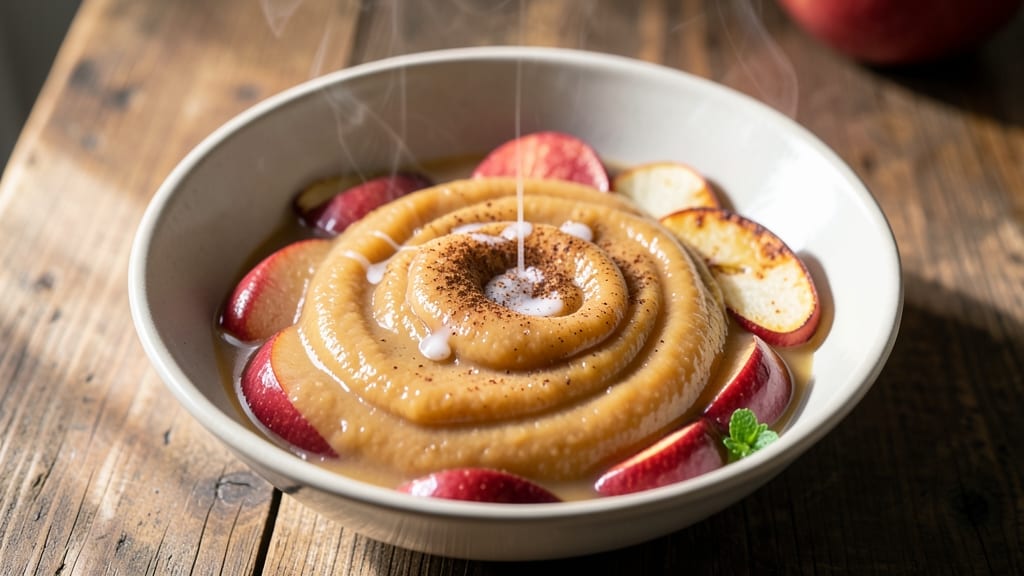
This Macintosh apples sauce recipe transforms tart apples into a velvety, spiced simmer that elevates everything from toast to roasted meats. The secret lies in balancing natural sweetness with warm cinnamon and a touch of lemon, creating a sauce that’s both comforting and versatile.
Macintosh apples hold their shape beautifully during cooking, allowing you to control texture—whether you prefer smooth perfection or rustic chunks.
The process is straightforward: peel, core, and simmer the apples with just enough water to soften them, then mash or blend to your preferred consistency. A pinch of salt and a splash of vanilla deepen the flavor profile, while optional spices like nutmeg or cardamom add complexity.
This isn’t just apple sauce—it’s a foolproof way to turn simple ingredients into a pantry staple that tastes homemade.
What makes this sauce special is its adaptability. Use it as a topping for oatmeal, a glaze for pork tenderloin, or a filling for pies. The spices mellow during storage, so the flavor actually improves over time—ideal for meal prep.
With just five ingredients and 20 minutes of active time, you’ll have a batch ready to transform ordinary meals into something extraordinary.
For extra depth, try adding a splash of apple cider or a sprinkle of sea salt at the end. Store in the fridge for up to a week or freeze for months—perfect for when you crave that cozy, spiced comfort without the fuss. Let’s get started!
Ingredients for macintosh apple sauce
Five simple ingredients transform tart Macintosh apples into velvety spiced sauce perfect for toast, pies, or roasted meats.
| Ingredient | Amount | Notes |
|---|---|---|
| Macintosh Apples 🍎 | 4 medium | Peeled, cored, sliced |
| Water 💧 | ½ cup | For simmering apples |
| Granulated Sugar 🍚 | ¼ cup | Adjust to taste |
| Ground Cinnamon 🌿 | 1 tsp | For warm spice |
| Vanilla Extract 🍯 | ½ tsp | Pure vanilla preferred |
| Salt 🧂 | ¼ tsp | Sea salt preferred |
| Lemon Juice 🍋 | 1 tbsp | Freshly squeezed |
| Apple Cider 🍏 | ¼ cup | Optional for depth |
Macintosh apples are the star here—firm and tart, they hold their shape beautifully during cooking. Grab a 3-4 lb bag from Trader Joe's or your local grocery store's produce section, where they're often labeled for baking. Look for apples that are firm to the touch with a vibrant red blush—those are the sweetest. The peeling and coring take about 10 minutes, but it's worth it for that silky texture. If you're short on time, you can leave the skin on for a rustic look, though it'll make the sauce slightly darker.
No vanilla extract? Vanilla sugar or a splash of bourbon adds depth too. Running low on cinnamon? Nutmeg or cardamom work beautifully—just use half the amount. The sugar is your flavor anchor, so adjust to taste if your apples are extra tart. For a smoother sauce, blend after cooking; for rustic chunks, mash with a fork. Apple cider vinegar can replace lemon juice if that's what you've got, though it'll add a tangier note. The salt might seem small, but it balances all the sweetness—trust me on this.
This sauce keeps beautifully—1 week in the fridge or 6 months in the freezer. Portion it into ice cube trays for easy single servings, or freeze in small jars for quick use. The flavors actually deepen over time, so it's perfect for meal prep. For extra cozy vibes, warm it gently on the stove with a splash of water to thin it out. It's the kind of sauce that makes everything feel special—whether you're serving it with oatmeal or drizzling it over roasted pork.
Why You'll Love This Recipe
- No-Peel Required: I swear by Macintosh apples for this—peel or don’t, they’re forgiving either way. The skin softens into that velvety texture, and honestly? I skip the peeling half the time. Just core, chop, and simmer.
- Warm Spice Hug: That first whiff of cinnamon and vanilla steaming off the pot? Pure autumn in a jar. The sugar caramelizes just enough to balance the tartness, and a splash of vanilla ties it all together like a cozy blanket.
- Pantry Staple Magic: This sauce plays nice with everything—drizzled over oatmeal, stirred into yogurt, or even slathered on toast with peanut butter. (Yes, I’ve done it.) It’s the kind of thing that makes you realize how often you’ve been missing out.
- Budget-Friendly Leftovers: A single batch stretches for days—breakfast, snacks, or dessert. Freeze half for when you’re too tired to cook, and trust me, you’ll still reach for it. Cheap, versatile, and always welcome.
Step-by-step instructions for Macintosh apples sauce
Here's how to make this cozy, spiced apple sauce that's perfect for topping pancakes or pairing with pork.
Prepare the Apples for Cooking
Start by peeling the 4 medium Macintosh apples using a vegetable peeler or sharp knife. I like to work over a bowl to catch any apple peels for composting. Cut each apple in half through the core, then slice the halves into ¼-inch thick pieces. You should end up with about 4 cups of sliced apples.
As you slice, I recommend keeping the apple pieces similar in size so they cook evenly. If you have any particularly thick slices, cut them once more to ensure uniform cooking. The apples should be bright white with no brown spots—if you notice any browning, give the cut surfaces a quick rinse with cold water before proceeding.
Simmer the Apples Until Tender
In a medium saucepan, combine the sliced apples with the 0.5 cup water. Bring to a gentle boil over medium-high heat, then immediately reduce to medium-low heat and let it simmer uncovered for 10-12 minutes. You'll know it's ready when a fork slides in easily and the apples are soft but still hold their shape slightly.
I stir occasionally during this time, but not constantly—just enough to prevent sticking. The apples should release their natural juices, creating a light syrup in the pan. If you notice the water evaporating too quickly and the apples sticking, add a splash of water as needed, but try to keep it minimal to maintain the right consistency.
Season and Sweeten the Sauce
Once the apples are tender, stir in the 0.25 cup granulated sugar, 1 tsp ground cinnamon, 0.25 tsp salt, and 1 tbsp lemon juice. The sugar will dissolve quickly as the mixture heats up. Taste the sauce at this point—you might want to adjust the sugar to your preference, especially if you're using particularly tart Macintosh apples.
Add the 0.5 tsp vanilla extract and the 0.25 cup apple cider (if using) and stir well. The apple cider adds a subtle depth of flavor that complements the sweetness. Let the sauce simmer for another 5 minutes to allow all the flavors to meld together. You'll notice the aroma becomes warm and inviting—this is when the sauce starts to smell like comfort.
Blend or Mash to Desired Texture
For a smooth sauce, use an immersion blender to puree the mixture right in the saucepan. If you prefer a chunkier texture, simply mash the apples with a potato masher or fork until you reach your desired consistency. I like to leave mine slightly textured—it gives a nice contrast when served with desserts or meats.
If the sauce is too thick after blending or mashing, stir in a little more of the cooking liquid (about 1-2 tablespoons) to reach a spreadable consistency. For a smoother finish, strain the sauce through a fine-mesh sieve if you have any remaining apple skins or large chunks. Taste again and adjust seasoning if needed—sometimes a pinch more cinnamon or a splash of lemon juice can elevate the flavor.
Cool and Store for Maximum Freshness
Let the apple sauce cool to room temperature, then transfer it to an airtight container. I like to press plastic wrap directly onto the surface to prevent a skin from forming. This sauce keeps well in the refrigerator for up to 5 days or can be frozen for up to 3 months—just thaw overnight in the refrigerator before using.
The sauce will thicken slightly as it cools, which is perfect for serving over ice cream or pancakes. If you're using it as a topping, you can reheat gently in a saucepan over low heat with a splash of water or apple juice to loosen it up. The warm spices will make your kitchen smell amazing, and the versatility of this sauce makes it a must-have in your recipe rotation.
Pro Tips For Making Macintosh Apple Sauce
- PEEL AND CORE UNIFORMLY: Macintosh apples have thick skins that resist peeling if you rush—use a sharp paring knife to slice off the peel in one continuous strip, then cut out the core in a single wedge. I learned this the hard way after spending 10 minutes fighting a half-peeled apple that kept slipping.
- BOIL ON MEDIUM-HIGH FIRST: Start the apples in water over medium-high heat until it reaches a rolling boil, then drop to low. This cuts the cooking time by 10 minutes—Macintosh apples soften unevenly if you simmer too gently from the start.
- SKIP THE STARCHY WATER: Drain the apples immediately after cooking and discard the cloudy water—it’s full of released starch that makes the sauce gummy. Rinse the pot with a splash of cold water if you’re worried about sticking, but don’t reuse that water either.
- SWEETEN GRADUALLY: Add half the sugar upfront, then taste and adjust after simmering. Macintosh apples release natural sweetness as they cook, so you’ll likely need less sugar than the recipe calls for—especially if your apples are fresh. (I’ve ruined three batches by dumping all the sugar at once.)
Regional styles of this macintosh apple sauce
New England Classic
In New England, apple sauce often gets a rustic twist with maple syrup instead of sugar—about 2 tablespoons replaces the granulated sugar. Locals also add ½ tsp allspice for warmth, creating a sauce that pairs perfectly with roasted pork or turkey.
The texture tends to be chunkier here, reflecting the region's love for hearty, textured dishes. 🍁
Southern Comfort Style
Southern cooks elevate this sauce by adding ¼ cup pecans and a pinch of cloves, transforming it into a dessert-worthy topping. The pecans are toasted lightly in butter first, then stirred into the warm sauce.
This version is especially popular during Thanksgiving and Christmas, often served over biscuits or sweet potato casserole.
Pacific Northwest Twist
Up in the Pacific Northwest, you'll find apple sauce infused with local honey and a splash of blackberry liqueur (like Chambord). The honey replaces sugar entirely, while the liqueur adds a sophisticated depth.
This version works beautifully with wild game or as a glaze for roasted vegetables. The tartness of Macintosh apples shines through, balancing the sweetness perfectly. 🌲
Midwest Homestyle
The Midwest keeps it simple but adds ½ cup applesauce to the cooking liquid for extra thickness. A dash of ginger (about ¼ tsp) gives it a subtle kick, making it a favorite for meatloaf or mashed potatoes.
This version is often made in large batches and canned for winter meals. The applesauce addition creates a smoother texture that families love. 🏡
Urban Fusion Version
In cities like New York and Chicago, apple sauce gets a modern upgrade with chili flakes or smoked paprika for heat. Some chefs blend in roasted garlic or caramelized onions for depth.
This version pairs well with charcuterie boards or as a sauce for grilled chicken. The spices add complexity without overpowering the natural apple flavor. 🌆
Appalachian Tradition
Deep in the Appalachian Mountains, apple sauce often includes wild blackberries or huckleberries for a tart contrast. The berries are cooked down with the apples, creating a deep purple swirl in the sauce.
This rustic version is typically served with cornbread or fried chicken, reflecting the region's love for bold, natural flavors. 🏔️
Nutrition facts
Frequently asked questions
Can I use Macintosh apples with skins on for this sauce?
Yes, you can! For a rustic texture, simply skip peeling and wash the apples thoroughly first. The skins will add a subtle earthy flavor and deeper color to your sauce. Just be aware the texture will be slightly grainier, and cooking time may increase by 2-3 minutes since skins take longer to soften.
How do I fix apple sauce that's too watery?
Simmer the sauce uncovered for an additional 5-10 minutes to reduce the liquid. For a quicker fix, mash the apples more thoroughly or stir in 1-2 tablespoons of cornstarch mixed with water until thickened. If storing, the sauce will naturally thicken as it cools—just reheat with a splash of water if needed.
What's the best way to reheat stored apple sauce?
Gently reheat in a saucepan over low heat with 1-2 tablespoons of water or apple juice to prevent burning. Stir constantly and keep the temperature below 160°F to preserve texture. For microwave reheating, use 30-second intervals on medium power, stirring between each interval to prevent hot spots.
Can I substitute Macintosh apples with other varieties?
Tart apples like Granny Smith or Braeburn work well, but you may need 1-2 extra tablespoons of sugar to balance tartness. Avoid overly soft varieties like Red Delicious as they break down too quickly. Macintosh apples are ideal because their firm texture holds up beautifully during cooking while maintaining a pleasant balance of sweetness and acidity.
How can I make this sauce spicier for savory dishes?
Add ¼ teaspoon of cayenne pepper or ½ teaspoon of smoked paprika when simmering. For depth, stir in 1 teaspoon of apple cider vinegar instead of lemon juice. This version pairs beautifully with pork tenderloin or roasted chicken, adding warmth without overpowering the apple flavor.