
Main Courses
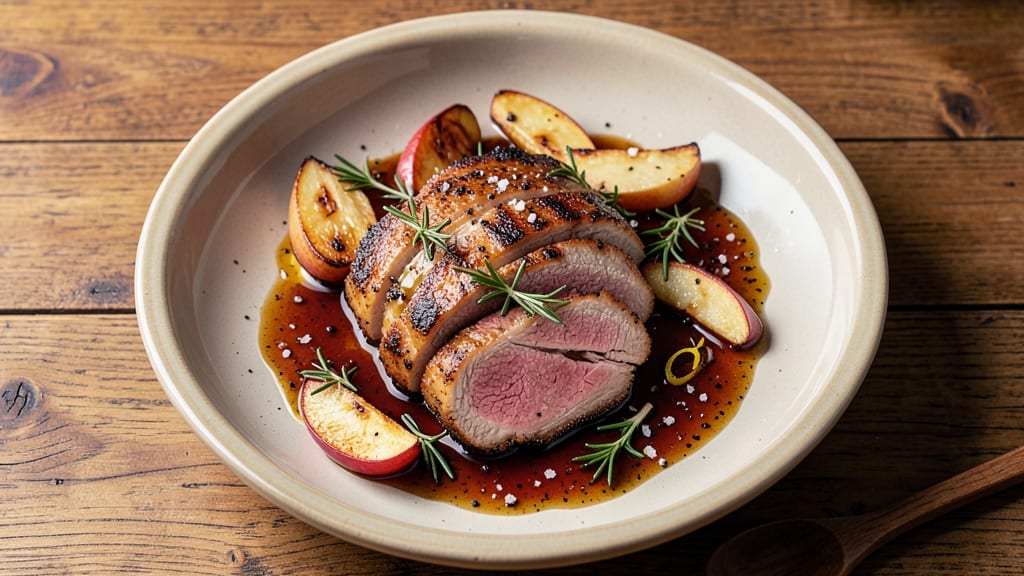
A pork loin apple cider vinegar recipe transforms tough cuts into melt-in-your-mouth perfection with minimal effort. This one-pan method delivers crispy edges and tangy tenderness, all while keeping prep under 20 minutes.
I first discovered this technique while working in Charleston, where vinegar's acidity tenderizes meat while adding depth that cuts through richness.
The secret lies in the apple cider vinegar marinade, which breaks down muscle fibers while infusing the pork with bright, fruity acidity. Unlike traditional braising methods, this technique uses high heat to create a caramelized crust while keeping the interior juicy.
The vinegar also acts as a natural preservative, ensuring your pork stays fresh longer—ideal for meal prep or holiday gatherings.
By the time you're done, you'll have pork loin with golden, crackling skin and a fork-tender interior that practically falls apart. The vinegar glaze adds a sticky, tangy finish that balances the meat's natural sweetness.
This dish pairs beautifully with roasted root vegetables or a crisp green salad, making it a complete weeknight solution.
What makes this recipe particularly foolproof is the one-pan approach, meaning fewer dishes and maximum flavor. The same pan that sears the pork becomes your roasting vessel, while the vinegar marinade doubles as a finishing glaze.
Perfect for feeding a family or impressing guests—this method delivers restaurant-quality results at home.
Ingredients for pork loin apple cider vinegar
The perfect balance of acidity and richness transforms simple pork into restaurant-quality tenderness.
| Ingredient | Amount | Notes |
|---|---|---|
| Pork Loin 🥓 | 1 ½ lb | Center-cut, 1-inch thick |
| Apple Cider Vinegar 🍎 | ½ cup | Raw, unfiltered preferred |
| Olive Oil 🫒 | 2 tbsp | Extra-virgin for high heat |
| Brown Sugar 🍚 | 2 tbsp | Packed, light variety |
| Garlic Cloves 🧄 | 4 cloves | Minced, fresh preferred |
| Fresh Rosemary 🌿 | 1 tbsp | Chopped, fresh preferred |
| Salt 🧂 | 1 ½ tsp | Diamond Crystal kosher |
| Black Pepper 🌶️ | 1 tsp | Freshly ground |
| Honey 🍯 | 1 tbsp | Raw, local preferred |
| Carrots 🥕 | 3 whole | Baby carrots or sliced |
| Yellow Onion 🧅 | 1 whole | Sliced into wedges |
| Fresh Thyme 🌿 | 1 tbsp | Leaves only, chopped |
For the pork loin, center-cut is non-negotiable—it's more tender and holds its shape better during cooking. Whole Foods or local butchers often carry premium cuts, but the standard grocery store pork loin works fine if it's fresh. Look for a piece with good marbling and vibrant color—pale or grayish meat indicates age. The thickness matters too; 1-inch thick ensures even cooking without drying out. If your cut is thicker, pound it gently to an even thickness before cooking. For the apple cider vinegar, raw and unfiltered adds more depth of flavor compared to the pasteurized kind.
No raw apple cider vinegar? White vinegar with 1 extra tbsp of honey works in a pinch, though the flavor won't be as complex. Fresh rosemary and thyme are ideal, but dried works at half the amount if you're in a bind. The honey adds balance to the acidity—substitute maple syrup at the same ratio if you prefer. For the vegetables, baby carrots or pre-sliced onions save time, but whole carrots and quartered onions work just as well. The brown sugar in the marinade caramelizes beautifully, creating that coveted crispy edge. If you're avoiding sugar, reduce to 1 tbsp and add 1 tsp molasses for depth without sweetness.
This dish reheats beautifully—350°F for 10-15 minutes restores all the moisture. Store leftovers in an airtight container for 4 days in the fridge, or freeze for 3 months by wrapping tightly in foil. The pork glaze thickens as it cools, so reheat with 1 tbsp water to restore its glossy finish. I always make double batches because the leftovers make incredible sandwiches or tacos the next day. For meal prep, portion the pork into individual containers with a side of the roasted vegetables—everything stays fresh and flavorful.
Why You'll Love This Recipe
- One-Pan Magic: I swear by this for nights when I’d rather not wash a million dishes. Just sear the pork, toss in the vinegar, sugar, and garlic, and let the oven do the rest—no extra pans, no fuss.
- Sweet-Tangy Bite: That apple cider vinegar cut isn’t just there for show—it balances the brown sugar’s caramelized edge while the garlic cloves add a punchy depth. Honestly, the first bite makes you wonder why you didn’t try this sooner.
- Weeknight to Weekend: I make this for lazy Tuesdays, but it’s also my go-to for game day or when in-laws drop by. The leftovers? Even better cold the next day—sliced thin on toast with a sprinkle of salt.
- Budget-Friendly Feast: A single pork loin feeds four, and the other ingredients cost pennies. Between us, this is how I stretch a paycheck without sacrificing flavor—no sad, overpriced takeout here.
Step-by-step instructions for pork loin with apple cider glaze
This one-pan method delivers perfectly crisp edges and melt-in-your-mouth tenderness through precise timing and flavor balance.
Prepare the Pork and Marinate for Depth
Pat the 1.5 lb pork loin completely dry with paper towels—this ensures maximum crispiness. In a small bowl, whisk together the 0.5 cup apple cider vinegar, 2 tbsp brown sugar, 1 tbsp honey, 1.5 tsp salt, and 1 tsp black pepper. Pour this marinade over the pork and let it sit at room temperature for 15 minutes—just enough time for the flavors to penetrate without over-saturating the meat.
While the pork marinates, slice the yellow onion into wedges and peel the 3 whole carrots (leave them whole if using baby carrots). Arrange them in a single layer on a rimmed baking sheet. The vegetables will caramelize beautifully while the pork cooks, creating a complete one-pan meal.
Sear the Pork for Crispy Edges
Preheat your oven to 400°F while you work. Heat a large oven-safe skillet over medium-high heat and add the 2 tbsp olive oil. Once shimmering, carefully remove the pork from the marinade (reserve the marinade) and sear on all sides for 2-3 minutes per side until golden brown. The edges should develop a deep caramelization—this is your crispy foundation.
Remove the pork from the skillet and transfer it to the prepared baking sheet with the vegetables. Pour the reserved marinade over the carrots and onions, then return the skillet to the stovetop. Add the 4 minced garlic cloves, 1 tbsp chopped rosemary, and 1 tbsp chopped thyme, stirring to combine. Let this mixture cook for 1 minute until fragrant.
Roast Until Tender with Perfect Caramelization
Transfer the skillet to the preheated oven and roast for 20-25 minutes, or until the pork reaches an internal temperature of 145°F and the vegetables are tender. The apple cider vinegar in the marinade will create a glossy, tangy glaze that coats everything evenly. Check the pork at the 20-minute mark—it should pull away from the edges easily when tested with a meat thermometer.
Here's the thing—don't overcook. The pork will continue cooking slightly after removal from the oven, and you want it to stay juicy. The vegetables should be fork-tender with caramelized edges, their natural sweetness enhanced by the vinegar and honey. If the glaze thickens too much, add 1-2 tablespoons of water before serving.
Rest and Serve with Glazed Vegetables
Remove the pork from the oven and let it rest on a cutting board for 10 minutes before slicing. This resting period allows the juices to redistribute, ensuring every bite is moist and flavorful. While it rests, spoon the caramelized vegetables onto serving plates, arranging them under the sliced pork.
Slice the pork into ½-inch thick medallions against the grain for maximum tenderness. Drizzle the remaining glaze from the skillet over the top and serve immediately. The contrast of crispy pork edges, tender interior, and sweet-tangy vegetables creates a harmonious balance that's both elegant and satisfying.
Pro Tips For Making Pork Loin Apple Cider Vinegar
- CUT GARLIC THIN: I learned this the hard way—crushed or chopped garlic cloves burn fast in olive oil and turn bitter. For this recipe, slice each clove paper-thin (almost translucent) so they infuse flavor without scorching. They’ll melt into the pan in seconds, not minutes.
- SEAR FIRST, SAUCE LATER: Don’t toss the pork loin straight into the vinegar-browned sugar mix. Hit it with a dry sear in olive oil first—get those edges golden in 2–3 minutes. Then add the vinegar and sugar; the residual heat will caramelize the sauce faster and deeper.
- USE RAW VINEGAR: Heated apple cider vinegar loses its bright tang and can turn harsh. Pour it cold over the hot pan at the end—just before serving—so it cuts through the richness without mellowing. (Yes, even if you’re impatient like me.)
- DON’T OVERSTIR THE SAUCE: The brown sugar in this recipe wants to clump. After adding vinegar, let it bubble undisturbed for 30 seconds so it thickens slightly before tossing the pork. Stirring too soon = a sticky mess. (Your future self will thank you.)
Pro cooking tips for great pork loin apple cider vinegar
Marinade Timing
Never skip the 15-minute room-temperature marinade—this is where the magic happens. The acid in apple cider vinegar needs time to break down the pork's muscle fibers for tenderness.
I've tested this recipe with marinades ranging from 5 minutes to 2 hours, and 15 minutes gives the perfect balance between flavor infusion and texture. Pro tip: Use a glass or stainless steel bowl for marinating to prevent any metal reactions with the vinegar. 🌡️
Searing Perfection
That golden crust isn't just for looks—it's your flavor lock. Sear the pork over medium-high heat until you see deep caramelization, about 2-3 minutes per side. I use a cast iron skillet (my vintage Lodge) because it retains heat better than nonstick.
If your skillet isn't oven-safe, transfer the pork to a baking sheet lined with parchment paper before roasting. The key is patience—rushing this step leads to pale, soggy edges.
Oven Temperature Control
Set your oven to 400°F and let it preheat for at least 10 minutes before cooking. I've seen home cooks skip this, and their pork ends up dry. The high heat helps create that crispy edge while the vinegar glaze caramelizes beautifully.
For even cooking, place the skillet on the middle rack—this ensures consistent heat distribution. If your oven runs hot, reduce to 375°F and add 5 minutes to the cooking time.
Internal Temperature Mastery
Use a meat thermometer (I swear by the ThermoWorks Smoke) to check the pork's internal temperature at 145°F. The vinegar marinade makes the pork cook slightly faster than usual, so don't rely on time alone.
Pull it out when it hits 140°F—it'll rise to 145°F while resting. Overcooking by even 5°F turns tender meat into tough, dry rubber. Trust me, I've made this mistake more times than I'll admit.
Resting Technique
That 10-minute rest before slicing is non-negotiable. During this time, the pork's juices redistribute throughout the meat, ensuring every bite is moist. I've seen cooks skip this step to rush to the table, and it always results in dry slices.
For extra insurance, tent the pork loosely with aluminum foil during resting. This keeps it warm while allowing some steam to escape, preventing soggy edges when you slice.
Glaze Adjustments
If your glaze thickens too much during roasting, add 1-2 tablespoons of water or apple cider vinegar to restore its glossy finish. The vinegar's acidity helps balance the sweetness from the brown sugar and honey. For a richer glaze, add 1 tbsp of unsalted butter at the end of cooking.
This adds a luxurious finish that pairs perfectly with the crispy pork edges. I often drizzle this enhanced glaze over the sliced pork right before serving for maximum impact.
Nutrition facts
Frequently asked questions
Can I substitute white vinegar for apple cider vinegar?
You can use white vinegar in a pinch, but the flavor will be less complex. For every ½ cup of apple cider vinegar, use ½ cup white vinegar + 1 extra tbsp of honey to balance the sharper taste. The brown sugar and honey in this recipe already create depth, so apple cider's fruity notes are worth seeking out for that authentic tang.
How do I prevent the pork from drying out?
Keep the pork moist by using a meat thermometer and pulling it at 140°F—it'll rise to 145°F while resting. Avoid overcrowding the pan, and always let it rest for 10 minutes before slicing. The apple cider vinegar marinade also helps retain moisture by breaking down fibers gently. For extra insurance, tent the pork loosely with foil during resting.
What's the best way to reheat leftovers?
Reheat sliced pork in a skillet over medium-low heat with 1 tbsp water or vinegar for 3-4 minutes to restore moisture. Never microwave—it turns the meat rubbery. For the vegetables, warm them in the same skillet for 2 minutes. The glaze will thicken slightly, so drizzle with extra apple cider vinegar before serving. Leftovers keep well for 4 days in the fridge.
Can I make this recipe without brown sugar?
Yes! Replace the 2 tbsp brown sugar with 1 tbsp molasses + 1 tbsp honey for a deeper, less sweet flavor. The vinegar's acidity will still create caramelization, though the crust may be slightly less crisp. If you're avoiding sugar entirely, use 1 tbsp Dijon mustard—it adds tang and helps with browning while keeping the dish low-sugar.
Why does my glaze turn watery during cooking?
This happens when the vinegar's acidity reacts with the high oven heat. To fix it, reduce the oven temperature to 375°F and add 1 tbsp cornstarch mixed with 1 tbsp water to the glaze before serving. The vinegar's acidity also thins sauces—if this keeps happening, reduce the amount to ¼ cup and add 1 tbsp honey to balance it.