
Main Courses
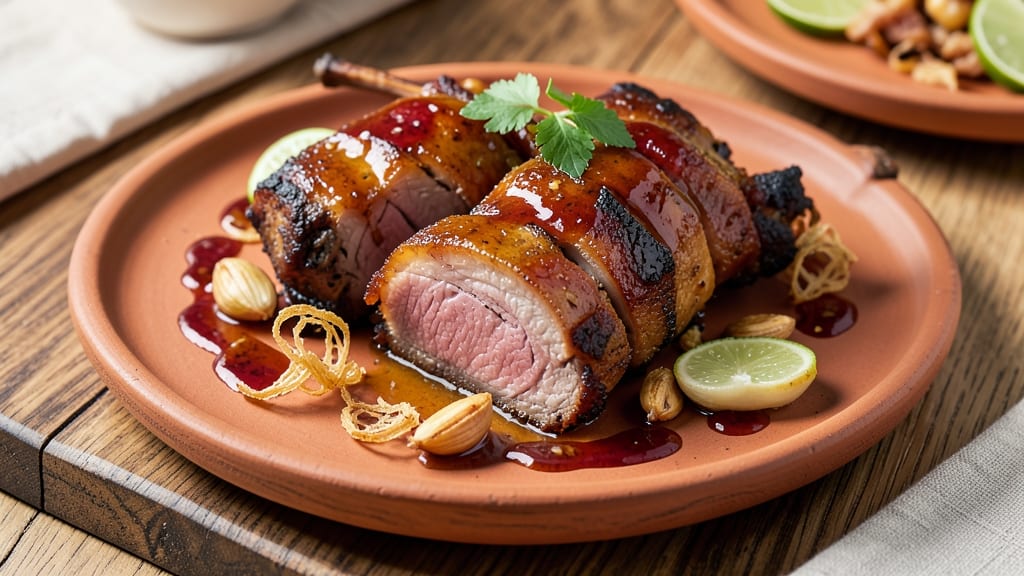
This Pork Pata Humba with pineapple juice transforms tough pork into melt-in-your-mouth perfection through slow braising and a sweet-tart glaze. The Filipino classic combines rich, caramelized flavors with the bright acidity of pineapple, creating a dish that's both comforting and vibrant.
I first tasted this at a family gathering in Manila, where the aroma alone had everyone gathering around the table—it's that kind of dish.
The secret lies in the braising process, where pork knuckles simmer until tender, absorbing the deep flavors of garlic, ginger, and soy sauce. The pineapple juice adds a bright, tangy contrast that cuts through the richness, while the sauce thickens into a glossy glaze that clings to every bite.
This isn't just a recipe—it's a celebration of Filipino home cooking that brings warmth and nostalgia to your table.
By the time you serve this dish, you'll have succulent pork with crispy edges, a sauce that's perfectly balanced between sweet and tangy, and a presentation that's as inviting as it is delicious.
The aroma alone will have your guests anticipating every bite, while the tender meat practically falls apart at the touch of a fork. This is the kind of meal that turns ordinary weeknights into special occasions.
Pair it with steamed rice and a simple green salad to let the pork shine, or serve with garlic fried rice for a more substantial meal.
The leftovers reheat beautifully, making it perfect for meal prep or feeding a crowd. Let's get cooking—this dish is worth every minute of the slow braise.
Ingredients for pork pata humba recipe with pineapple juice
Pineapple juice, pork knuckles, and slow braising create melt-in-your-mouth perfection with vibrant Filipino flavors.
| Ingredient | Amount | Notes |
|---|---|---|
| Pork Knuckles 🐷 | 3 lb | Raw, skin-on for crispy edges |
| Fresh Pineapple Juice 🍍 | 1 ½ cups | Freshly squeezed, no pulp |
| Garlic Cloves 🧄 | 8 cloves | Minced for aromatic base |
| Fresh Ginger 🌿 | ½ cup | Grated, peeled, fresh preferred |
| Soy Sauce 🍶 | ½ cup | Dark soy for rich color |
| Brown Sugar 🍚 | ½ cup | Packed, light brown preferred |
| White Vinegar 🍶 | ¼ cup | For tangy balance |
| Onion 🧅 | 1 whole | Yellow, sliced into half-moons |
| Bay Leaves 🌿 | 2 whole | Dried, for deep flavor |
| Black Peppercorns 🌶️ | 1 tsp | Whole, lightly crushed |
| Salt 🧂 | 1 ½ tsp | Kosher or sea salt |
| Water 💧 | 2 cups | For braising liquid |
| Vegetable Oil 🫒 | 2 tbsp | For searing pork |
| Fresh Cilantro 🌿 | ¼ cup | Chopped, for garnish |
The pork knuckles are the star here—look for plump, meaty ones with good marbling at your local butcher or Asian market. Filipino markets often have pre-cut knuckles, but if you're buying whole, ask for the largest, fattest ones you can find. The skin should be intact and the meat firm to the touch. If you can't find knuckles, pork shoulder cut into chunks works in a pinch, though the texture won't be quite the same. Fresh pineapple is a must—canned juice lacks the bright acidity that cuts through the richness. Grab a small pineapple, juice it, and strain out the pulp for the best results.
No pineapple juice? Orange juice with a splash of lime gets you close, though it won't have that same signature sweet-tart balance. Running short on soy sauce? Coconut aminos or tamari work in a bind, but add a pinch of sugar to mimic the depth. The brown sugar here is crucial—light brown has more moisture, which helps the glaze thicken properly. If you're using white sugar, reduce by 1 tbsp. For extra depth, toast the garlic and ginger before mincing—30 seconds in a dry pan until fragrant makes all the difference. The bay leaves add a subtle earthiness that rounds out the dish perfectly.
This dish tastes even better the next day as the flavors meld together. Store leftovers in an airtight container in the fridge for up to 5 days, or freeze for 3 months. The sauce thickens as it cools, so add a splash of water when reheating. For serving, I like to arrange the pork on a platter with the sauce spooned over the top and garnished with fresh cilantro. The aroma alone will have everyone gathering around the table—just like that first family gathering in Manila.
Why You'll Love This Recipe
- Here’s what sold me: the pineapple juice cuts through the richness of the pork, while the ginger and garlic add depth without overpowering. It’s like a hug in a bowl—familiar but exciting, with that crispy knuckle edge you can’t resist.
- One-Pot Magic: I swear by this—just toss the pork knuckles, ginger, and garlic into a pot, cover with pineapple juice, and let it simmer. No chopping, no fussing, no extra pans. That tangy-sweet sauce practically cooks itself while you handle the rest of dinner.
- Sweet-Savory Balance: Here’s what sold me: the pineapple juice cuts through the richness of the pork, while the ginger and garlic add depth without overpowering. It’s like a hug in a bowl—familiar but exciting, with that crispy knuckle edge you can’t resist.
- Weeknight & Weekend Star: Between us, this feeds a crowd but costs less than takeout. Serve it with rice for a lazy Sunday or pack leftovers for lunch—it reheats like a dream. Honestly, my kids ask for it more than any other meal, and they’re not picky.
Step-by-step instructions for pork pata humba with pineapple glaze
Here's the method that transforms tough pork knuckles into tender, caramelized perfection.
Sear the Pork Knuckles for Deep Flavor
Heat a large Dutch oven over medium-high heat and add the 2 tablespoons vegetable oil. Place the 3 lb pork knuckles skin-side down in the pot and let them sear undisturbed for 8-10 minutes until the skin is deeply golden brown and crispy. This step develops the rich, meaty flavor that will carry through the entire dish.
Flip the knuckles and sear the other sides for another 5-6 minutes. You'll notice the fat beginning to render out—this is good. Remove the knuckles from the pot and set them aside on a plate. The seared knuckles will cook slowly in the braising liquid, absorbing all those wonderful caramelized flavors.
Build the Sweet-Tart Braising Liquid
In the same Dutch oven, add 1 whole onion sliced into half-moons and cook for 3-4 minutes until softened. Add 8 cloves minced garlic cloves and 0.5 cup fresh ginger and cook for another 1 minute until fragrant. Here's where the magic happens: pour in the 1.5 cups fresh pineapple juice, 0.5 cup soy sauce, 0.5 cup brown sugar, and 0.25 cup white vinegar.
Stir well to combine, then add the 2 cups water, 2 whole bay leaves, 1 teaspoon black peppercorns, and 1.5 teaspoons salt. Bring the mixture to a boil, scraping up any browned bits from the bottom of the pot. This braising liquid should be sweet, tangy, and deeply aromatic—just like your grandma's secret recipe.
Braise Until Fork-Tender
Return the seared pork knuckles to the Dutch oven, skin-side up. The liquid should come about halfway up the knuckles. Bring everything to a gentle simmer, then reduce the heat to low. Cover the pot and let it cook for 2 hours on the stovetop or transfer to a 325°F oven for the same time.
After 2 hours, check for doneness by inserting a fork into the thickest part of the meat. It should slide in easily with just slight resistance. If it's not fork-tender, continue cooking for another 30-60 minutes. The pork should be falling off the bone, and the braising liquid should have thickened into a glossy, caramelized glaze that clings beautifully to the meat.
Rest and Garnish
Once the pork is fork-tender, remove it from the braising liquid and transfer it to a serving platter. Let it rest for 10 minutes before serving. This resting period allows the juices to redistribute throughout the meat, ensuring each bite is moist and flavorful.
While the pork rests, skim any excess fat from the braising liquid and return it to a simmer. Taste and adjust seasoning if needed, then stir in the 0.25 cup chopped fresh cilantro. Spoon this fragrant glaze over the pork before serving. The combination of sweet pineapple, tangy vinegar, and savory soy sauce creates a perfect balance that makes every bite unforgettable.
Pro Tips For Making Pork Pata Humba Recipe With Pineapple Juice
- Boil Knuckles Twice: Start with a rolling boil for 15 minutes to render fat, then drain and rinse the pork. This removes excess blood and grease that’ll cloud your pineapple broth later—trust me, the difference in clarity and flavor is noticeable.
- Grate Ginger Fine: Skip the pre-grated jar; use a microplane or knife to shred fresh ginger into a paste. It dissolves better into the pineapple juice and adds a brighter, less fibrous bite—no gritty surprises in your sauce.
- Simmer Low After Browning: Once the pork turns golden in the pan, drop the heat to a gentle simmer. High heat after browning turns the pineapple juice into glue, and you’ll end up with a sticky mess instead of a glossy, balanced sauce.
- Strain the Juice: Blend pineapple chunks with a splash of water, then strain through cheesecloth. This removes pulp that’ll turn your broth murky and gummy—your sauce will stay clean and let the pork shine. (Yes, even if you’re lazy, do this.)
Flavor customization for this recipe
Sweet-Tart Balance
Adjust the pineapple juice to vinegar ratio to control the tanginess. For a sweeter glaze, add 1 extra tablespoon brown sugar and reduce vinegar by 1 tablespoon. If you prefer more acidity, swap ½ cup orange juice for ½ cup pineapple juice—the citrus brightens the flavor without overpowering.
My first attempt with too much vinegar taught me to taste as you go! 🍍
Spicy Kick Options
Add 1-2 tablespoons sriracha or ½ teaspoon chili flakes to the braising liquid for heat. For smoky depth, include 1 teaspoon smoked paprika with the garlic and ginger.
I love a subtle kick—just enough to wake up the palate without overpowering the sweet-tart sauce. Start with less and adjust to taste.
Umami Boost
Enhance the savory depth with 1 tablespoon fish sauce or 1 teaspoon oyster sauce in the braising liquid. For extra richness, add 2 tablespoons soy sauce and reduce water by ¼ cup.
The umami from these ingredients makes the pork even more irresistible. My Nonna always added a splash of fish sauce—it’s the secret to that restaurant-quality flavor.
Herb Variations
Swap cilantro for ½ cup chopped Thai basil or ¼ cup minced mint in the garnish. For a more earthy note, include 1 sprig fresh thyme with the bay leaves during braising.
Fresh herbs add brightness and balance the sweetness. I’ve found Thai basil pairs beautifully with the pineapple’s tropical notes.
Slow Cooker Adaptation
For hands-off cooking, transfer the seared knuckles and braising liquid to a 6-quart slow cooker and cook on low for 8 hours or high for 5 hours.
The slow cooker’s gentle heat ensures tender pork without drying it out. I’ve made this version on busy weeknights—it’s a game-changer for meal prep! 💫
Nutrition facts
Frequently asked questions
Can I use pork shoulder instead of knuckles for this recipe?
You can substitute pork shoulder, but the texture will differ. Cut the meat into 2-inch chunks and braise for 1.5 hours instead of 2. The result will be more tender but less crispy than knuckles. For best results, trim excess fat to prevent greasiness in the sauce.
How do I prevent the pineapple juice from making the pork mushy?
The acidity in pineapple juice breaks down meat quickly, so keep the cooking time precise. After 2 hours of braising, check for doneness immediately. If using pork shoulder, reduce cooking time by 30 minutes. The key is patience—don't overcook, or the meat will become tender but lose structure.
What's the best way to store leftovers?
Store in an airtight container for up to 5 days in the fridge. The sauce thickens as it cools, so reheat with 1-2 tablespoons water to loosen it. For freezing, portion into meal-sized containers and freeze for up to 3 months. Thaw overnight in the fridge before reheating.
Can I make this dish in an Instant Pot?
Yes! Sear the knuckles first, then add all ingredients except water. Use the high-pressure setting for 45 minutes, then natural release. Add 1 cup water to prevent burning. The Instant Pot version cooks faster but requires close monitoring to avoid overcooking.
What sides pair best with pork pata humba?
Steamed jasmine rice is classic, but also try garlic fried rice or sautéed green beans. For a tropical touch, serve with mango salsa or coconut rice. The sweet-tart pork balances well with mild, starchy sides that let the flavors shine.