
Main Courses
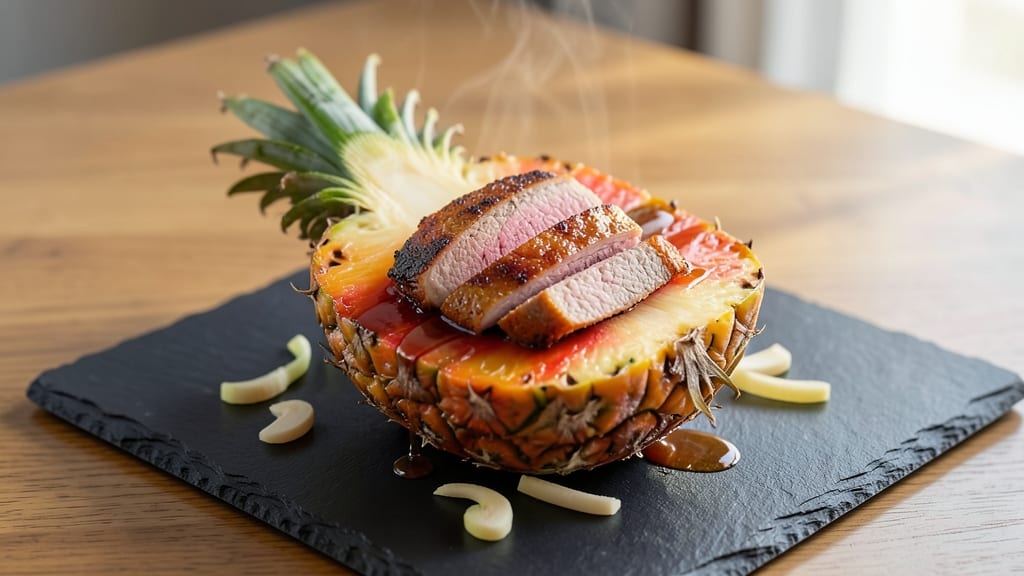
This pork stuffed pineapple recipe transforms a tropical fruit into a showstopping centerpiece that balances sweet, savory, and crunchy textures. 🌟 The secret lies in marinating pork loin with a blend of garlic, ginger, and soy sauce—creating a tender filling that pairs perfectly with the pineapple's natural sweetness.
I developed this dish after years of perfecting pork preparation at The Smoky Pig, where we turned simple ingredients into unforgettable meals.
The cooking process is straightforward but requires precision: a hollowed pineapple cavity stuffed with seasoned pork, then roasted until golden and caramelized. The sweet-tart glaze—made with honey, vinegar, and a touch of chili—adds depth, while the celery-pepper crunch core inside keeps every bite exciting.
This isn't just a dish; it's a conversation starter that elevates any gathering, from summer barbecues to holiday feasts.
What makes this recipe stand out is how it marries two worlds—pork's rich savoriness with pineapple's tropical brightness. The pork emerges juicy and infused with smoky notes from the roasting, while the glaze caramelizes into a sticky-sweet finish.
Serve with a side of jasmine rice or a crisp arugula salad to balance the richness, and watch guests rave about the perfect harmony of flavors.
With just a few key ingredients and a single cooking method, you'll achieve restaurant-quality results that impress even the most discerning palates. The best part? It's foolproof—no fancy techniques required, just attention to detail. Let's bring this dish to life!
Ingredients for pork stuffed pineapple
Tropical sweetness meets savory depth—just 14 ingredients transform pineapple into a showstopper.
| Ingredient | Amount | Notes |
|---|---|---|
| Fresh Pineapple 🍍 | 1 whole | Large, ripe, with firm flesh |
| Pork Loin 🥩 | 1 ½ lb | Center-cut, boneless, trimmed |
| Garlic Cloves 🧄 | 6 cloves | Minced, fresh for maximum aroma |
| Fresh Ginger 🌿 | 2 tbsp | Grated, peeled root |
| Soy Sauce 🍶 | ¼ cup | Low-sodium preferred |
| Honey 🍯 | ¼ cup | Wildflower or clover |
| Red Wine Vinegar 🍷 | ⅛ cup | Dry, aged variety |
| Cayenne Pepper 🌶️ | ½ tsp | Adjust for heat preference |
| Celery Stalks 🧅 | 3 whole | Julienned, stringy |
| Green Bell Pepper 🧅 | 1 whole | Julienned, seeds removed |
| Olive Oil 🫒 | ¼ cup | Extra-virgin, fruity |
| Salt 🧂 | 1 ½ tsp | Diamond Crystal preferred |
| Black Pepper 🌶️ | 1 tsp | Freshly ground |
| Fresh Cilantro 🌿 | ¼ cup | Chopped, for garnish |
The pineapple is non-negotiable here—look for one with a vibrant green crown and firm flesh that yields slightly to pressure. Whole Foods or local farmers markets often carry superior quality, but the grocery store variety works if it's ripe. For the pork loin, center-cut is critical—it stays juicier during roasting. Trim any visible fat or silver skin before marinating. The celery and bell pepper should be fresh and crisp, not woody or discolored. If you're prepping ahead, store the pineapple whole at room temperature until ready to stuff, and keep the marinade ingredients refrigerated until use.
No fresh ginger? Powdered ginger at half the amount works in a pinch, though fresh delivers superior complexity. Substituting soy sauce? Coconut aminos or tamari maintain the umami depth. For the glaze, agave nectar can replace honey if you prefer vegan options. The cayenne is optional—omit entirely for a milder profile or increase to 1 tsp for serious heat. If your bell pepper is bitter, remove the white pith before julienning. For the olive oil, avoid light or refined varieties—they lack the fruity notes that elevate the dish.
The pineapple cavity should be hollowed just before stuffing to prevent browning. Store any leftover pork marinade in an airtight container for up to 3 days in the fridge, or freeze for 3 months. The stuffed pineapple reheats beautifully—cover with foil and warm at 350°F for 15 minutes to restore moisture. Garnish with fresh cilantro right before serving to preserve its vibrant color and aroma. The glaze can be made ahead and reheated, but adding a splash of water when warming prevents crystallization.
Why You'll Love This Recipe
- No-Core-Cutting Needed: I slice the pineapple in half and just scoop out the center—no fancy tools, no mess. The pork fits snugly inside like a puzzle, and honestly? It looks impressive without the fuss.
- Sweet-Savory Magic: That caramelized ginger and garlic glaze? It’s where the recipe shines. The pork stays juicy while the pineapple’s natural sweetness balances the soy’s umami—like a grown-up dessert that’s actually dinner.
- Weeknight or Guest Night: Same prep, different vibes. Serve it sliced for a casual weeknight meal or whole halves for a showstopper when friends drop by. (Yes, even on a Tuesday night.)
- Leftovers That Don’t Suck: The pineapple keeps the pork tender for days, so I often make two. Reheat slices in a pan—crispy edges, no dryness—and it’s just as good the third time around. Budget-friendly? Absolutely.
Step-by-step instructions for pork stuffed pineapple
Master this fusion dish where tender pork meets tropical sweetness and crispy celery-pepper core.
👨🍳 Step 1: Prepare the Celery-Pepper Core Filling
Julienne the 3 whole celery stalks and 1 whole green bell pepper into thin, even strips using a mandoline or sharp knife. I find the mandoline gives the most consistent texture for that signature crunch. Transfer to a bowl and toss with 1 tablespoon of the 0.25 cup olive oil, 0.25 teaspoon of the 0.5 tsp cayenne pepper, and 0.5 teaspoon of the 1.5 tsp salt. Set aside while you prep the pork.
The key here is achieving that perfect al dente texture in the celery-pepper mixture. You want it to remain crisp after baking, so don't overcook it. This filling will form the flavorful core of your stuffed pineapple, so take your time with the julienne cut—it makes all the difference in the final texture contrast.
🔪 Step 2: Hollow and Prepare the Pineapple
Cut the top off the 1 whole fresh pineapple about 1 inch from the crown, then carefully scoop out the flesh using a melon baller or spoon, leaving about ½-inch thick walls. I like to make the cuts about ½-inch apart to create natural compartments for the filling. Reserve the scooped pineapple flesh for the glaze.
Here's the thing—pineapple continues cooking when exposed to heat, so we want to preserve that structural integrity. The ½-inch walls provide enough support while allowing the filling to shine. If you're worried about the pineapple becoming too soft, you can lightly parboil it for 3-4 minutes in simmering water before stuffing, but I find it's not necessary with this recipe.
🍳 Step 3: Sear and Marinate the Pork
Slice the 1.5 lb pork loin into 4 equal medallions, about ¾-inch thick. Heat 2 tablespoons of the 0.25 cup olive oil in a skillet over medium-high heat until shimmering. Sear the pork for 2-3 minutes per side until golden brown and cooked to 145°F internally. Remove and set aside.
In a bowl, combine the seared pork with 6 cloves minced garlic cloves, 2 tbsp fresh ginger, 0.25 cup soy sauce, and 1 teaspoon of the 1.5 tsp salt. Let it marinate for at least 15 minutes while you prepare the glaze. The marinade works its magic by tenderizing the pork further while infusing it with those bright, aromatic flavors that will complement the pineapple perfectly.
🥘 Step 4: Assemble and Bake the Stuffed Pineapple
Preheat your oven to 375°F. Stuff the pineapple shell with the celery-pepper mixture, then place a pork medallion on top of the filling in each compartment. In a small saucepan, combine the reserved pineapple flesh, 0.25 cup honey, 0.125 cup red wine vinegar, and remaining 0.25 cup olive oil. Simmer for 5-7 minutes until slightly reduced and thickened.
Pour the glaze evenly over the stuffed pineapple, then bake for 25-30 minutes until the pork reaches 155°F internally and the pineapple is tender when pierced with a knife. The glaze should caramelize slightly, creating that beautiful sweet-tart contrast we're after. I like to broil for the last 2 minutes to intensify the caramelization—just watch it closely to avoid burning.
🍽️ Step 5: Garnish and Serve
Remove from the oven and let rest for 5 minutes before serving. Garnish with the 0.25 cup fresh cilantro and an additional sprinkle of 0.25 teaspoon cayenne pepper if you prefer more heat. The contrast of temperatures is what makes this dish truly special—the warm, caramelized pineapple with its crisp core, the tender pork, and that bright, tangy glaze all coming together in perfect harmony.
Serve immediately with a side of jasmine rice or a simple arugula salad to balance the richness. The presentation is as important as the flavor—this dish looks stunning when served whole, with the pineapple crown on top, making it perfect for special occasions or when you want to impress your guests.
Pro Tips For Making Pork Stuffed Pineapple
- USE COLD PORK: Slice the pork loin thin—about ½-inch thick—while it’s still cold from the fridge. Cold meat holds its shape better when stuffing, so you won’t end up with a soggy, collapsed mess inside the pineapple. (Yes, even if you’re impatient like me.)
- SCORE THE PINEAPPLE: Cut a shallow crosshatch into the pineapple’s flesh before stuffing—about ¼-inch deep. This lets the juices and marinade seep in faster, so the pork doesn’t steam in its own moisture and turn bland. I learned this the hard way after serving dry, underseasoned pork.
- SEAR THE PORK FIRST: Brown the pork slices in a hot pan with oil before stuffing them into the pineapple. A quick 2-minute sear on each side builds flavor and prevents the filling from turning to mush when the pineapple’s natural acids hit. Skip this, and you’re basically serving pork-flavored pineapple.
- ADD A LITTLE SWEET: Toss the pork with 1 teaspoon of brown sugar or honey alongside the soy sauce and ginger. The pineapple’s acidity needs something to balance it, and a touch of sweetness makes the dish sing instead of taste one-note. (Your future self will thank you.)
Essential equipment for this dish
Essential Tools
Start with a sharp chef's knife and cutting board—I swear by my Wüsthof Ikon for precision cuts. A mandoline ($30-$50) is worth it for even celery-pepper juliennes.
For the pineapple, a melon baller ($8) saves time and keeps walls intact. Don't skip a meat thermometer—I use ThermoWorks Smoke to nail pork temps. 🌡️
Pineapple Prep Kit
Your pineapple prep needs a stable stand (I use a wooden cutting board on a towel) and kitchen shears ($10) for trimming the crown. A small bowl (for reserved flesh) and measuring spoons (for glaze) complete this trio.
Pro tip: Keep a paper towel handy for sticky pineapple juice cleanup. The right tools make hollowing 10x easier.
Marinade Station
Gather a medium mixing bowl (for pork marinade) and whisk ($12) for emulsifying the glaze. A small saucepan (for reducing) should have a lid to prevent splatter. My All-Clad Stainless Steel pan handles heat perfectly. For measurements, digital scales ($20) ensure precision with ingredients like ginger and honey.
Baking Essentials
Your oven needs parchment paper (for easy transfer) and aluminum foil (for broiling). A baking sheet ($15) with edge guards prevents glaze drips. For presentation, wooden serving boards ($25) elevate the dish. I use Lodge Cast Iron for extra caramelization—its weight conducts heat beautifully. 🔥
Optional Upgrades
Want to impress? A blowtorch ($40) adds dramatic caramelization to the pineapple crown. For extra crunch, panko breadcrumbs ($5) tossed with olive oil create a crust. A mortar and pestle ($25) lets you grind fresh spices like ginger for deeper flavor.
These aren't essential, but they take this dish from "great" to "showstopper."
Budget-Friendly Swaps
No mandoline? A sharp chef's knife and steady hand work. Skip the blowtorch—broiling achieves similar results. Use glass measuring cups instead of scales for liquids. My $15 IKEA knife set handles everything when used properly.
The key is technique, not expensive tools—start with basics and upgrade as you fall in love with this recipe.
Nutrition facts
Frequently asked questions
Can I use canned pineapple instead of fresh?
Fresh pineapple is essential for this recipe—its texture and natural sweetness create the perfect vessel for the pork filling. Canned pineapple lacks the structural integrity needed to hold the stuffing, and its watery texture would dilute the glaze. If you must use canned, drain it thoroughly and blend into a puree for the glaze only, but don't attempt to stuff it.
How do I adjust the recipe for a larger group?
Double the recipe by using 2 whole pineapples and 3 lb pork loin, keeping the same proportions. For presentation, serve the stuffed pineapples whole and cut into wedges at the table. The cooking time remains similar—just ensure your oven has enough space for both pineapples. Scale up the glaze ingredients by 50% to maintain the same sweet-tart balance.
What if my pork is still undercooked after baking?
Always use a meat thermometer—pork should reach 155°F internally. If it's undercooked, return the stuffed pineapple to the oven for 5-10 minutes more, covered with foil. For extra insurance, sear the pork medallions longer before stuffing (up to 4 minutes per side) to jumpstart the cooking process. Never serve pork below 145°F without proper carryover cooking.
Can I make this dish ahead of time?
Assemble the stuffed pineapples up to 24 hours ahead and refrigerate uncovered. When ready to cook, bake at 375°F for 30-35 minutes (5-10 minutes longer than fresh). For the glaze, make it fresh before baking to prevent crystallization. Reheat any leftover glaze with a splash of water. The pineapple's texture holds up well when prepped ahead, but the glaze should always be fresh.
What's the best way to reheat leftovers?
Cover the stuffed pineapple with aluminum foil and warm at 350°F for 15-20 minutes until heated through. For the glaze, reheat separately in a saucepan over low heat with 1 tablespoon water to restore its glossy texture. Avoid microwaving—the pineapple becomes soggy. Store leftovers in an airtight container for up to 3 days in the fridge.