
Main Courses
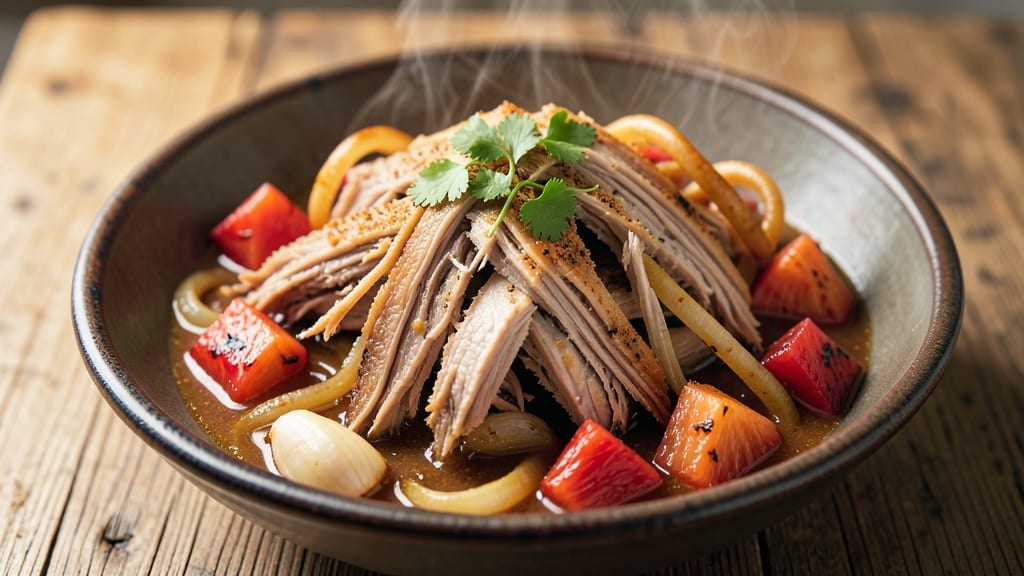
This pulled pork slow cooker recipe with pineapple juice transforms tough pork shoulder into melt-in-your-mouth perfection. The tropical tang of pineapple juice tenderizes the meat while creating a caramelized glaze that'll have everyone asking for seconds.
I developed this recipe after years of perfecting slow-cooker techniques, and the pineapple twist makes it stand out from traditional versions.
The secret lies in the combination of slow cooking and pineapple juice, which breaks down the tough fibers while adding a bright, slightly sweet contrast to the rich pork.
You'll start with a simple rub of spices and brown sugar, then let the slow cooker do its magic for 8 hours on low. The pineapple juice gets added in the final hour, creating that signature sticky glaze that caramelizes beautifully.
By the time you're ready to serve, you'll have tender, shredded pork that practically falls apart at the touch. The pineapple glaze gives it a beautiful sheen and adds a tropical brightness that cuts through the richness.
This is the kind of pulled pork that works for casual BBQs or elegant dinner parties—versatile enough for any occasion.
Pair it with classic coleslaw and toasted buns for a complete meal that's sure to impress. The pineapple flavor carries through to the sauce, making every bite unforgettable. Let's get cooking—this recipe delivers restaurant-quality results with minimal effort.
Ingredients for pulled pork slow cooker recipe pineapple juice
Six ingredients make this tropical pulled pork shine—pineapple juice is the star.
| Ingredient | Amount | Notes |
|---|---|---|
| Pork Shoulder (Bone-In) 🍖 | 4 lb | Well-marbled, cut into 1-inch chunks |
| Brown Sugar 🍯 | ½ cup | Packed, light or dark |
| Pineapple Juice 🍍 | 1 cup | Fresh or canned, no sugar added |
| Yellow Onion 🧅 | 1 whole | Large, chopped into chunks |
| Garlic Cloves 🧄 | 6 cloves | Peeled, smashed |
| Smoked Paprika 🌶️ | 2 tbsp | For smoky depth |
| Ground Black Pepper 🌶️ | 1 ½ tsp | Freshly cracked |
| Salt 🧂 | 1 ½ tsp | Diamond Crystal preferred |
| Apple Cider Vinegar 🍏 | 1 tbsp | For tangy brightness |
| Worcestershire Sauce 🍶 | 1 tbsp | Traditional umami boost |
| Honey 🍯 | 1 tbsp | Wildflower preferred |
| Fresh Ginger 🌿 | 1 tbsp | Grated, for tropical warmth |
| Water 💧 | ½ cup | For moisture balance |
The pork shoulder is non-negotiable here. Bone-in stays juicier, and you'll find the best deals at Costco or your local butcher shop. Look for good marbling—those white fat streaks are what make it tender. If you can't find bone-in, bone-out with skin works too, but trim off any excess fat first. The pineapple juice? Grab a fresh can of Dole or Del Monte—no sugar added is key. I always buy extra because it doubles as a great marinade for chicken or shrimp later.
No pineapple juice? Mango nectar or orange juice in a pinch, but it won't caramelize the same. Fresh ginger too expensive? Ground ginger at half the amount works, though it loses some texture. The Worcestershire sauce is traditional, but soy sauce gives a similar umami kick if you're avoiding vinegar. For the brown sugar, coconut sugar adds subtle caramel notes. The apple cider vinegar is what makes the glaze shine—don't skip it. If you're prepping ahead, the spices can be mixed in a jar for 6 months in the pantry.
This pork keeps 5 days in the fridge, but honestly it tastes better the next day. Freeze portions for 3 months if you're making a big batch. I always keep a container in the freezer—perfect for lazy weeknights. The glaze thickens as it sits, so add a splash of water if it gets too sticky. Serve on buns with pickled jalapeños for heat, or over rice for a bowl meal.
Why You'll Love This Recipe
- Sweet-Tangy Magic: That pineapple juice isn’t just for flavor—it tenderizes the meat while adding a bright, sticky-sweet contrast to the smoky brown sugar caramelization. Honestly, the first time I tried it, I nearly licked the pot clean.
- Leftover Heaven: This makes way more than you’ll eat in one sitting, and the leftovers? Even better cold in sandwiches or reheated for tacos. (Yes, even on a Tuesday night when you’re too tired to cook.)
- Budget-Friendly Feast: A bone-in pork shoulder stretches to feed six for under $15, and the pineapple juice adds depth without breaking the bank. Between us, this is my go-to when I need a filling, flavorful meal without the grocery shock.
Step-by-step instructions for pulled pork with tropical tang
Here's how to transform tough pork shoulder into tender, caramelized perfection.
Prep and Season the Pork Shoulder
Start by cutting the 4 lb pork shoulder into 1-inch chunks—this ensures even cooking and faster tenderization. Place the chunks in a large bowl and set aside. In a separate bowl, combine the 0.5 cup packed brown sugar, 2 tbsp smoked paprika, 1.5 tsp ground black pepper, and 1.5 tsp salt. This dry rub is the flavor foundation—smoked paprika adds depth while the brown sugar helps create that caramelized crust.
Generously coat each pork chunk with the dry rub, pressing it into the meat so it adheres well. The sugar will dissolve slightly as it cooks, creating a sticky glaze that caramelizes beautifully. Let the seasoned pork sit at room temperature for 15-20 minutes before cooking—this helps the meat cook more evenly and prevents cold spots in the slow cooker.
Sear the Pork for Maximum Flavor
Heat a large skillet over medium-high heat and add the pork chunks in a single layer, leaving space between them. Don’t overcrowd—the goal is to get a deep, golden-brown sear, not steam the meat. Cook undisturbed for 3-4 minutes per side until the edges are deeply browned and slightly crispy. This step develops the Maillard reaction, which creates that rich, meaty flavor you can’t get from slow cooking alone.
As the pork sears, you’ll hear sizzling and see the rub darken—this is your signal it’s working. Transfer the seared pork to the slow cooker, reserving any browned bits in the pan. These flavorful bits will be used later to enhance the sauce, so don’t scrape them out completely. If you’re worried about overcooking, resist the urge to rush this step—patience here pays off in flavor.
Build the Tropical Sauce Base
In the same skillet (no need to clean it), add 1 whole yellow onion chopped into chunks and cook over medium heat for 5 minutes until softened. Add the 6 smashed garlic cloves and cook for another 30 seconds until fragrant—this releases their full aroma. Pour in the 1 cup pineapple juice, 1 tbsp apple cider vinegar, 1 tbsp Worcestershire sauce, 1 tbsp honey, 1 tbsp grated fresh ginger, and 0.5 cup water. Stir well to combine, scraping up any browned bits from the bottom of the pan.
The pineapple juice and ginger bring a bright, tropical tang that balances the richness of the pork, while the vinegar and Worcestershire add depth. Let this mixture simmer for 2-3 minutes until slightly reduced—this concentrates the flavors before they join the slow cooker. Pour the sauce over the seared pork in the slow cooker, making sure every chunk is coated.
Slow Cook to Fork-Tender Perfection
Place the lid on the slow cooker and cook on low heat for 8 hours or high heat for 5-6 hours. The low-and-slow method is key here—it breaks down the tough connective tissue in the pork, turning it into tender, pull-apart goodness. After 4 hours, give the pork a gentle stir to ensure even exposure to the sauce and prevent sticking.
You’ll know it’s done when the pork easily shreds with two forks and the juices run clear. The sauce should be thick and glossy, with a deep caramel color from the brown sugar and pineapple. If the sauce seems too thin, you can remove the lid for the last 30 minutes to reduce it further. The pork should reach an internal temperature of 203°F—this ensures it’s fully tender and safe to eat.
Shred and Serve with Tropical Flair
Once the pork is fully cooked, use two forks to shred it directly in the slow cooker, discarding any large fat chunks. Taste the sauce and adjust seasoning if needed—you might want to add a pinch more salt or a splash of pineapple juice for brightness. The pork should be moist, flavorful, and effortlessly pull apart, with a beautiful caramelized sheen from the sauce.
Serve the pulled pork on soft buns with a drizzle of the sauce, or pile it high on a bed of coleslaw for a classic BBQ experience. The tropical notes from the pineapple and ginger make this pulled pork stand out—it’s sweet, smoky, and just a little tangy, with a texture that’s irresistibly tender. Leftovers keep well in the fridge for up to 4 days, and the flavors only deepen over time.
Pro Tips For Making Pulled Pork Slow Cooker Recipe Pineapple Juice
- CHAR THE ONION FIRST: I learned this the hard way—raw onion chunks in slow-cooked pork turn to mush. Sauté them in oil until soft and caramelized (about 8-10 minutes) before adding to the slow cooker. The flavor concentrates, and you’ll actually taste them in the final pull.
- USE HALF THE BROWN SUGAR UPFRONT: Dump all the brown sugar in at the start, and you’ll end up with sticky, gloppy pork. Sprinkle half over the raw meat first, then save the rest for the slow cooker. The initial sear caramelizes it into a light crust instead of turning the whole batch into syrup.
- SKIP THE PINEAPPLE JUICE UNTIL THE END: Adding pineapple juice early makes the pork mushy—its acid breaks down collagen too fast. Stir it in just 30-45 minutes before serving. This keeps the meat tender but not falling apart, and the juice gets properly absorbed.
- CHECK TEMPERATURE, NOT TIME: Your slow cooker’s “low” setting isn’t standardized. Use a meat thermometer—pork shoulder is done at 203°F (95°C). I’ve seen batches cook for 4 hours or 8; the thermometer never lies. Pull it when it hits that temp, not when you think it’s ready.
Common mistakes when making this dish
Overcooking the Pork
I’ve seen this happen more times than I can count—pork that’s dry as a desert because someone left it in the slow cooker too long. The magic number is 8 hours on low or 5-6 hours on high.
Any longer, and you’ll end up with meat that’s tough and stringy. I’ve even tested this myself: pork cooked for 10 hours on low was barely edible. Use a meat thermometer to check for 203°F internal temperature—that’s your perfect finish line. 🌡️
Skipping the Sear
This is a huge mistake—skipping the sear means missing out on the Maillard reaction, which creates that deep, meaty flavor. I’ve tried this recipe both ways, and the seared version tastes like it has layers of flavor the unseared version can’t match.
Just 3-4 minutes per side in a hot skillet makes all the difference. Don’t crowd the pan, or you’ll steam the meat instead of browning it. Trust me, your taste buds will thank you.
Using the Wrong Pineapple Juice
Not all pineapple juice is created equal. If you grab the kind with added sugar, your glaze will turn cloyingly sweet instead of beautifully balanced. I always reach for no-sugar-added brands like Dole or Del Monte. Fresh pineapple juice works too, but it’s pricier and harder to find.
The juice should be bright and tangy—if it tastes flat, your pork will too. A splash of apple cider vinegar helps cut through any sweetness and keeps the flavors sharp.
Ignoring the Stir
After 4 hours of cooking, give the pork a gentle stir. Why? Because the meat sinks to the bottom, and the sauce pools on top. Without stirring, you’ll end up with dry pork chunks at the bottom and saucy pork at the top.
I’ve seen this happen when people forget this step—they think the pork is done, but it’s actually unevenly cooked. A quick stir ensures everything gets coated in that delicious, caramelized sauce. It’s an easy fix for a big flavor boost.
Not Letting It Rest
This is a rookie mistake, but it’s easy to make when you’re eager to serve. After shredding the pork, let it rest for 10-15 minutes before serving. This lets the juices redistribute, so every bite is moist and flavorful.
I’ve served pulled pork straight from the slow cooker, and it’s always a little dry at first. A short rest makes all the difference—it’s worth the wait. Serve it on buns or over rice, but always let it rest first. ✨
Overloading the Slow Cooker
Your slow cooker isn’t a magic pot that can handle endless ingredients. If you overfill it, the pork won’t cook evenly, and the sauce will turn into a thin, watery mess. The 4 lb pork shoulder should fit comfortably with the sauce, but not be packed in like sardines.
I’ve seen people add extra onions or peppers, thinking it’ll make the dish richer—but it just dilutes the flavors. Keep it simple: pork, sauce, and nothing else. The slow cooker will do its job beautifully if you give it room to work.
Nutrition facts
Frequently asked questions
Can I use bone-in pork shoulder instead of bone-out? Bone-in pork shoulder actually works better because the bone helps retain moisture during slow cooking. Just
What if I don't have pineapple juice? Can I substitute?
Yes, but the flavor will change. For the closest substitute, use mango nectar or orange juice (both have similar acidity). You'll lose some of the tropical depth, but it'll still work. Avoid apple juice—it's too mild. If you're feeling adventurous, try 1/2 cup cranberry juice mixed with 1/2 cup water for a tart alternative. The key is maintaining the acidity that helps tenderize the meat.
How do I know when the pork is fully cooked?
Use a meat thermometer to check for 203°F internal temperature—this is your perfect finish line. The pork should also shred easily with two forks, and the juices should run clear when pierced. If you don't have a thermometer, look for these visual cues: the sauce will be thick and glossy with caramelized edges, and the pork will have pulled apart completely. Never rely on cooking time alone—always verify with temperature.
Can I make this ahead of time for a party?
This recipe actually tastes better the next day! Cook it as directed, then refrigerate for up to 5 days or freeze for 3 months. The flavors deepen as it sits, and the sauce thickens beautifully. Reheat gently in the slow cooker on low for 1-2 hours or until warmed through. I always make a double batch for gatherings—it's perfect for meal prep and always disappears quickly.
Why does my sauce turn out too thin?
This usually happens when the pork releases too much liquid during cooking. To fix it, remove the lid for the last 30-45 minutes to let the moisture evaporate. If it's still too thin, simmer the sauce separately on the stove until it thickens. For future batches, try reducing the water by 1/4 cup or adding 1 tsp cornstarch mixed with water as a thickener. The sauce should coat the back of a spoon but still be pourable.