
Main Courses
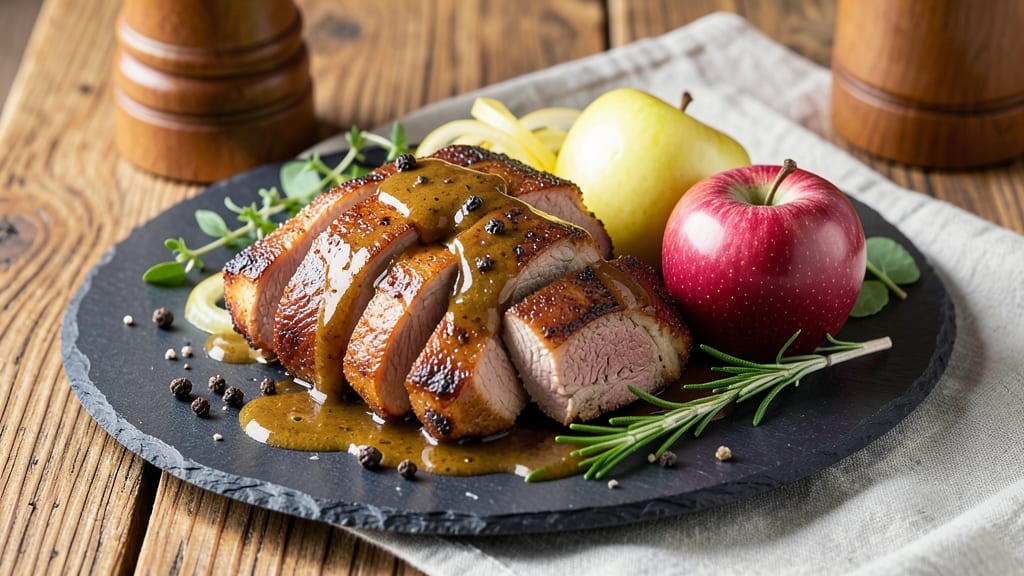
This pork apple mustard recipe transforms simple ingredients into a restaurant-worthy braise that balances sweet, tangy, and savory flavors perfectly. 💛 As someone who's cooked 2,000 pounds of pork weekly, I know the secret lies in slow-braising tender pork shoulder with caramelized apples and sharp mustard—creating a sauce that's rich yet bright.
The crisp celery bites add refreshing crunch to cut through the richness, making this dish feel both elegant and approachable.
The beauty of this recipe is its versatility—it works for weeknight dinners or holiday feasts, and the flavors only deepen as it sits. We start by searing pork shoulder to build depth, then braise it with apples, onions, and mustard until fork-tender.
The apples caramelize beautifully, while the mustard adds that signature tang that makes this dish unforgettable. What you'll end up with is melt-in-your-mouth pork, glossy with a sauce that's perfectly balanced between sweet and sharp.
This braise pairs wonderfully with roasted potatoes or crusty bread to soak up every last bit of that flavorful sauce. The crisp celery bites add a refreshing contrast that keeps the dish from feeling too heavy, while the aromatic herbs tie everything together.
It's the kind of meal that feels special without requiring hours in the kitchen—just patience and a little attention to balancing those flavors.
Whether you're feeding a family or hosting guests, this pork apple mustard braise delivers comfort food at its finest. The technique is straightforward, but the results are anything but basic. Let's get cooking—your taste buds will thank you.
Ingredients for pork apple mustard
Sweet, tangy, and rich—this braise brings restaurant flavor to your dinner table with just 13 ingredients.
| Ingredient | Amount | Notes |
|---|---|---|
| Pork Shoulder 🍖 | 3 lb | Bone-in for maximum flavor |
| Apples 🍎 | 2 lb | Honeycrisp or Fuji, peeled/cored |
| Yellow Onion 🧅 | 1 whole | Large, sliced into wedges |
| Celery 🥬 | 4 stems | Cut into 1-inch pieces |
| Dijon Mustard 🍯 | ½ cup | Sharp, not mild |
| Dry White Wine 🍷 | 1 cup | Sauvignon Blanc preferred |
| Chicken Broth 💧 | 2 cups | Low-sodium preferred |
| Fresh Thyme 🌿 | 2 sprigs | Or 1 tbsp dried thyme |
| Fresh Rosemary 🌿 | 1 sprig | For aroma, remove before serving |
| Olive Oil 🫒 | 2 tbsp | Extra-virgin for richness |
| Brown Sugar 🍚 | 2 tbsp | Light or dark preferred |
| Salt 🧂 | 1 ½ tsp | Kosher or sea salt |
| Ground Black Pepper 🌶️ | 1 tsp | Freshly ground preferred |
The pork shoulder is the star here—bone-in cuts from the butcher section give you that deep, meaty flavor you can't get with pre-trimmed packages. Costco or local butchers usually have the best prices for larger cuts, but any grocery store with a meat counter will work. Look for good marbling—those little white fat streaks mean juicier meat. Apples are non-negotiable for that caramelized sweetness; Honeycrisp or Fuji hold up best during braising. If you can't find them, Granny Smith adds tartness that balances the mustard beautifully. The celery? Organic celery from the produce section stays crisp longer—avoid the wilted stuff.
No Dijon mustard? Substitute with 3 tbsp yellow mustard plus 1 tbsp apple cider vinegar for that same sharp tang. Running low on white wine? Apple juice works in a pinch, though it'll be slightly sweeter. Fresh herbs are ideal, but dried thyme at half the amount gets you close. The brown sugar helps caramelize the apples—don't skip it, even if you're watching sugar. For the celery, cut it into even 1-inch pieces so it cooks uniformly. If you're prepping ahead, peel and core the apples and store them in cold water in the fridge until ready to use—they'll stay crisp longer.
This braise tastes even better the next day—plan ahead. The pork stays tender for 4-5 days in the fridge, and the sauce thickens beautifully. For leftovers, skimming the fat from the top makes reheating cleaner. Freezes well for up to 3 months—portion into containers with sauce so you can reheat just what you need. The celery bites can be roasted separately and stored for 3 days in the fridge, though they're best fresh. If you make a double batch, freeze extra sauce in ice cube trays for quick flavor boosts later.
Why You'll Love This Recipe
- One-Pan Magic: I swear by this for lazy nights—just toss the pork, chopped apples, and onions into a single pot with the mustard glaze, and let it slow-cook while I scroll through my phone. No flipping pans, no stress.
- Sweet-Savory Balance: That Dijon mustard cuts through the pork’s richness while the apples add a caramelized sweetness—like a hug in sauce form. Honestly, the first time I tasted it, I immediately made a second batch.
- Leftovers That Shine: This recipe actually improves the next day. The flavors meld into something even richer, and I love reheating thin slices for sandwiches or tossing chunks into salads. (Yes, even on a Tuesday night.)
- Budget-Friendly Crowd-Pleaser: Pork shoulder stretches far, and the apples and celery bulk it up without breaking the bank. Between us, this is the dish I make when friends drop by unexpectedly—no one leaves hungry, and no one asks what’s in it.
Step-by-step instructions for sweet-tart pork apple mustard braise
This braise delivers melt-in-your-mouth pork with a perfect balance of sweet apples and tangy mustard—here's exactly how to make it shine.
🔥 Step 1: Sear the Pork Shoulder for Deep Flavor
Pat the 3 lb pork shoulder completely dry with paper towels—this ensures maximum browning. Heat 2 tbsp olive oil in a heavy Dutch oven over medium-high heat until shimmering. Place the pork in the pan, fat-side down, and sear undisturbed for 8-10 minutes until deeply golden brown on one side.
Flip the pork and sear the other side for another 6-8 minutes. You want that crust—it's the flavor foundation. While it sears, sprinkle with 1 tsp salt and 1 tsp ground black pepper, pressing gently to adhere. Remove the pork and set it aside on a plate.
🍳 Step 2: Build the Sweet-Tart Braising Base
In the same Dutch oven, reduce heat to medium and add the sliced 1 whole yellow onion and 4 stems celery. Cook for 5 minutes, stirring occasionally, until softened. Add the 2 lb peeled/cored apples (cut into chunks) and cook for another 3 minutes until they begin to caramelize slightly.
Stir in the 0.5 cup Dijon mustard, 2 tbsp brown sugar, and the 2 sprigs fresh thyme. Cook for 1 minute until fragrant. Pour in the 1 cup dry white wine and scrape up any browned bits from the bottom—this releases all the flavor. Let it simmer for 3 minutes until reduced by half.
🥘 Step 3: Braise Until Fork-Tender
Return the pork to the Dutch oven, fat-side up. Pour in the 2 cups chicken broth and add the 1 sprig fresh rosemary. Bring to a gentle simmer, then reduce heat to low. Cover and braise for 2.5 hours, turning the pork occasionally, until it's fork-tender and nearly falling apart.
Here's the thing—don't peek! Every time you lift the lid, you lose heat and moisture. The pork is done when it reaches 203°F internally (use a meat thermometer) and the juices run clear when pierced. If the liquid reduces too much before then, add a splash of water or broth to keep it moist.
⏰ Step 4: Finish and Rest for Maximum Juiciness
Once the pork reaches 203°F, remove it from the Dutch oven and let it rest on a cutting board for 15-20 minutes, tented loosely with foil. This resting period is CRITICAL—it allows the juices to redistribute so every bite stays moist and flavorful.
While the pork rests, skim any excess fat from the braising liquid and adjust seasoning if needed. The apples should be tender but still holding their shape, and the sauce should coat the back of a spoon. Serve the pork sliced thickly, spooning the apple-mustard sauce generously over each portion.
Pro Tips For Making Pork Apple Mustard
- Brown the Pork First: High heat for 5 minutes on each side—don’t skip this. The crust from searing locks in flavor and keeps the meat from turning into mushy shreds later, especially when those apples start releasing juice.
- Use Tart Apples Only: Granny Smiths or Braeburns—none of that sweet, mealy stuff. The acidity cuts through the richness of the pork and mustard, balancing the dish without making it taste like dessert.
- Don’t Overmix the Mustard Sauce: Stir just until the mustard is mostly incorporated, then let the residual heat emulsify it. Overworking it turns it into glue, and you’ll end up with a clumpy mess instead of a glossy coating.
- Deglaze with Apple Juice: After browning the pork, scrape up those fond bits with ½ cup apple juice (or cider) instead of just water. It adds depth and keeps the sauce from tasting flat—like the difference between drinking water and sipping something that actually pairs with the dish.
Wine and beer pairings for pork apple mustard
Crisp White Wine
For this dish, I always reach for a dry Sauvignon Blanc—its bright acidity and citrus notes cut through the richness of the pork and apples beautifully. Look for a New Zealand Sauvignon Blanc like Kim Crawford or Oyster Bay for that signature zesty punch.
The crispness helps balance the sweetness of the apples and the sharpness of the Dijon mustard, creating harmony in every bite. 🍷
Rich Red Wine
If you prefer red, a Pinot Noir from Oregon or Burgundy works wonders. The light body and red fruit notes complement the pork without overpowering the apple-mustard sauce.
I love Domaine Drouhin Oregon or La Crema Sonoma Coast—both have enough acidity to stand up to the dish. Serve slightly chilled to enhance its refreshing qualities.
Hoppy Beer Pairings
A Belgian witbier like Hoegaarden or Stella Artois adds a crisp, citrusy contrast that pairs perfectly with the dish’s sweet-tart profile. The light effervescence cleanses your palate between bites, while the coriander and orange peel notes echo the apple’s brightness.
For a bolder option, try a German Helles—its malty sweetness complements the caramelized apples without competing.
Craft Beer Options
If you’re a craft beer lover, a light American lager or Kolsch works beautifully. Brands like Allagash White or Deschutes Mirror Pond Pale Ale offer a clean, slightly sweet profile that enhances the dish’s flavors.
Avoid heavy IPAs or stouts—they’ll overpower the delicate balance of this braise. A well-chilled beer keeps the meal feeling fresh and approachable.
Non-Alcoholic Choices
For a non-alcoholic option, I recommend a sparkling apple cider like Martinelli’s or a ginger beer such as Feather’s. The effervescence and fruit notes mirror the dish’s sweet-tart profile, while the ginger adds a subtle kick.
Serve chilled to keep the flavors vibrant and refreshing, especially if you’re serving this as a holiday centerpiece.
Nutrition facts
Frequently asked questions
Can I substitute pork shoulder with another cut?
You can use pork butt (which is essentially the same as pork shoulder) or bone-in pork loin for a leaner option. For best results, choose a cut with some fat—it keeps the meat juicy during braising. Avoid tenderloin or chops, as they'll dry out. If using loin, reduce braising time to 1.5-2 hours since it cooks faster.
How do I adjust the sweetness if I don't like it too sugary?
Start by reducing the brown sugar to 1 tbsp instead of 2 tbsp. For extra tang, increase the Dijon mustard to 0.75 cup and add 1 tbsp apple cider vinegar to the braising liquid. Taste as you go—the apples will caramelize naturally without extra sugar.
Can I make this in a slow cooker?
Sear the pork first, then transfer everything (including the sear juices) to a 6-quart slow cooker. Cook on low for 8 hours or high for 5-6 hours. The slow cooker makes this even more hands-off—just add the apples and mustard at the start and let it work its magic. The sauce will be thicker, so add a splash of broth if needed.
What's the best way to reheat leftovers?
Slice the pork and reheat in the same Dutch oven over medium-low heat with 2 tbsp water or broth until warmed through (165°F). For crispy celery bites, toast them separately in a dry pan for 2-3 minutes. Never microwave—it turns the pork rubbery. The sauce reheats beautifully on its own if you prefer it thinner.
Can I use dried apples instead of fresh?
Dried apples will work, but they'll be much softer and sweeter. Soak 1 cup dried apples in warm water for 30 minutes to rehydrate, then drain well. Use 1 tbsp lemon juice in the braising liquid to balance the sweetness. For texture, add 2 tbsp chopped dried apple pieces at the end of cooking instead of all at once.