
Main Courses
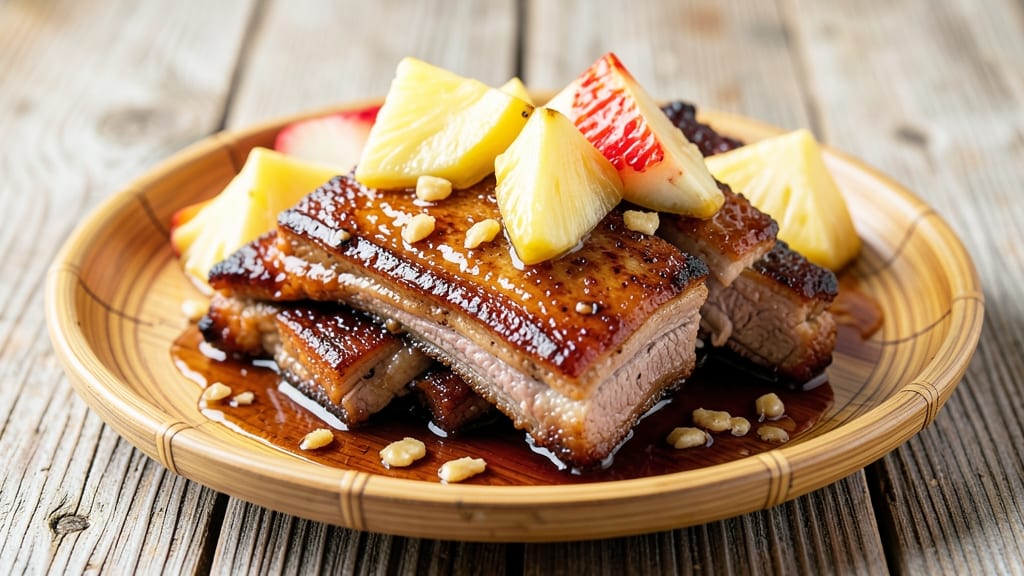
This Panlasang Pinoy pork ribs with pineapple recipe delivers the perfect balance of sweet, tangy, and savory flavors that define Filipino comfort food. 💛 The secret lies in a caramelized glaze made with pineapple juice, soy sauce, and brown sugar—transforming tough ribs into tender, sticky, and irresistible bites.
I developed this version after years of perfecting the balance between marinating and slow cooking, ensuring the ribs stay juicy while developing that signature caramelized crust.
The beauty of this dish is in its simplicity: ribs simmered in a flavorful marinade until tender, then glazed with a sticky-sweet sauce that's both vibrant and deeply savory. The pineapple adds a bright acidity that cuts through the richness, while the soy-vinegar-sugar blend creates that unmistakable Filipino taste.
This method works whether you're grilling, braising, or pan-frying—just adjust the cooking time to suit your preferred texture.
By the time you're done, you'll have ribs that are perfectly tender with a glossy, caramelized glaze that clings to every bite. The aroma alone will have everyone gathering around the table, and the contrast of sweet pineapple with savory pork creates a harmony that's impossible to resist.
Serve with steamed rice to soak up every last drop of that delicious sauce.
This recipe is a celebration of Filipino flavors, bringing the warmth and richness of home-cooked meals to your kitchen. Whether you're cooking for a family gathering or a special occasion, these pork ribs with pineapple will be the star of the meal. Let's get started on creating something truly special.
Ingredients for pork ribs with pineapple recipe panlasang pinoy
Sweet pineapple, savory soy, and tender ribs—this Filipino-inspired combo needs just 13 ingredients to shine.
| Ingredient | Amount | Notes |
|---|---|---|
| Pork Baby Back Ribs 🥓 | 3 lb | Bone-in, meaty cuts preferred |
| Fresh Pineapple 🍍 | 1 ½ cups | Juiced, seeds strained out |
| Brown Sugar 🍚 | ½ cup | Packed, light or dark |
| Soy Sauce 🍶 | ½ cup | Dark soy for deeper color |
| White Vinegar 💧 | ¼ cup | For tangy balance |
| Garlic Cloves 🧄 | 6 cloves | Minced, aromatic base |
| Ginger Root 🌿 | 1 tbsp | Freshly grated, zesty kick |
| Black Peppercorns 🌶️ | 1 tsp | Freshly cracked, bold heat |
| Olive Oil 🫒 | 2 tbsp | For searing ribs |
| Water 💧 | 1 cup | For braising liquid |
| Kalamansi or Lime Juice 🍋 | 2 tbsp | Bright citrus finish (kalamansi preferred) |
| Salt 🧂 | 1 ½ tsp | Adjust to taste |
| Fresh Cilantro 🌱 | ¼ cup | Chopped, garnish only |
The ribs are everything here—bone-in baby backs with good meat-to-bone ratio, not those skinny spare ribs. Costco or local butchers often have them pre-cut, but if buying whole, remove the membrane first for even cooking. Fresh pineapple is non-negotiable for that bright acidity—canned juice works in a pinch, but the texture and flavor are worlds apart. For the brown sugar, Muscovado adds molasses depth if you're feeling fancy, but regular light or dark works perfectly fine. The soy sauce? Dark soy sauce from Asian markets gives that signature caramelized color, but sub regular soy if needed.
No fresh ginger? Ground ginger at half the amount works, but the fresh version has that zing you can't replicate. Running low on kalamansi? Lime juice with a pinch of salt mimics the tang—just add a splash more. The glaze can be made ahead and reheated, so double the batch if you're feeding a crowd. For extra richness, add a tablespoon of honey or maple syrup to the glaze, but keep it balanced with the vinegar. And if you're grilling instead of braising, pat the ribs completely dry before hitting the heat—this makes all the difference for that perfect caramelized crust.
The ribs reheat beautifully—just warm in the sauce with a splash of water. Store leftovers in the fridge for up to 4 days, covered in their glaze. For longer storage, freeze the ribs (uncooked or cooked) for up to 3 months. The glaze freezes well too—portion it into ice cube trays for easy single-use servings. Pro tip: Save the leftover pineapple juice—it makes killer cocktails or marinades for grilled chicken. And if you've got extra glaze, drizzle it over steamed rice or toss it with tofu for a quick side dish.
Why You'll Love This Recipe
- One-Pan Magic: I swear by this—just ribs, pineapple chunks, and a quick glaze of brown sugar, soy, and vinegar on one sheet pan. No flipping between pots or messy saucepans; the oven does all the work while I sip my coffee.
- Sweet-Savory Balance: That caramelized brown sugar meets the tangy vinegar and salty soy, then the fresh pineapple cuts through like a tropical hug. The ribs stay tender, the pineapple stays juicy, and together? Pure satisfaction.
- Leftovers for Days: Between us, this recipe makes way more than I can eat in one sitting. The ribs reheat beautifully—crispy edges soften just enough—so I meal prep portions for lunches. (My coworkers think I’m a hero.)
- Budget Crowd-Pleaser: Pork ribs are cheaper than you’d think, and pineapple stretches the flavor for less cost than fancy marinades. Plus, it’s the kind of dish where everyone—even picky eaters—comes back for seconds. (Yes, even on a Tuesday night.)
Step-by-step instructions for Panlasang Pinoy pork ribs
This recipe delivers melt-in-your-mouth ribs with a caramelized pineapple glaze that's sweet, tangy, and perfectly balanced.
🔥 Step 1: Sear the Ribs for Maximum Flavor
Preheat your oven to 300°F and heat a large oven-safe skillet over medium-high heat. Add the 2 tablespoons olive oil and let it get shimmering hot. Pat the 3 lb pork baby back ribs completely dry with paper towels—this ensures maximum browning.
Place the ribs meaty-side down in the skillet and sear undisturbed for 5-6 minutes until they develop a deep golden-brown crust. You'll see the fat starting to render out and the edges crisping—that's your signal to flip. Sear the other side for another 5-6 minutes. The ribs should be beautifully browned and the meat should release easily from the bone when pressed gently.
🍳 Step 2: Build the Sweet-Tart Glaze
Remove the ribs from the skillet and set them aside. In the same skillet (don't wipe it clean—those browned bits are pure flavor), add the 6 cloves minced garlic cloves and 1 tablespoon freshly grated ginger root. Cook for 1 minute until fragrant and lightly golden—this unlocks their full aromatic potential.
Pour in the 1.5 cups fresh pineapple (juiced and strained), 0.5 cup brown sugar, 0.5 cup soy sauce, 0.25 cup white vinegar, 1 cup water, and 1.5 teaspoons salt. Bring to a gentle simmer, then reduce heat to medium-low. Let it cook for 8-10 minutes until the sauce thickens slightly and the pineapple flavor becomes concentrated. You're aiming for a glossy, syrupy consistency that will caramelize beautifully.
🥘 Step 3: Braise Until Fork-Tender
Return the ribs to the skillet, meaty-side up, and spoon the glaze over them generously. Cover with a lid or foil and transfer to the preheated 300°F oven. Braise for 2-2.5 hours, flipping the ribs halfway through cooking. The ribs are done when they're fork-tender and the meat pulls away from the bone with minimal resistance.
Here's the thing—don't peek during the braising! Every time you open the lid, you lose precious heat and moisture. The ribs will develop that incredible caramelized glaze naturally as they cook. If the sauce starts to dry out before the ribs are tender, add 2-3 tablespoons water to maintain moisture without diluting the flavor.
🔥 Step 4: Caramelize the Glaze
Once the ribs are fork-tender, increase the oven temperature to 425°F and uncover the skillet. Return the ribs to the oven for 10-15 minutes to caramelize the glaze. You'll see the sauce darken and thicken into a glossy, sticky coating—that's when you know it's working.
For the final touch, remove the ribs from the oven and let them rest for 5 minutes. This resting period allows the juices to redistribute, ensuring each bite is moist and flavorful. While they rest, stir the 2 tablespoons kalamansi or lime juice into the caramelized glaze in the skillet—this brightens the flavors and cuts through the sweetness beautifully.
🍽️ Step 5: Serve with Fresh Garnish
Transfer the ribs to a serving platter and spoon the caramelized glaze generously over the top. Garnish with 0.25 cup chopped fresh cilantro for a pop of freshness and color. The contrast of the bright green against the deep caramelized glaze makes this dish visually stunning.
Serve immediately with steamed rice to soak up all that delicious sauce. Each bite delivers perfectly tender pork with a sweet-tart glaze that's rich, caramelized, and perfectly balanced. The ribs should be fall-off-the-bone tender with a crispy exterior that's irresistibly sticky from the glaze. Enjoy while warm for the ultimate experience!
Pro Tips For Making Pork Ribs With Pineapple Recipe Panlasang Pinoy
- Trim the Fat First: Baby back ribs have that thin fat cap—don’t just leave it. Use kitchen scissors to snip it off before seasoning. I learned this the hard way: fat burns fast and smothers flavor, making your sauce cling like glue instead of caramelizing properly. Takes 10 minutes but saves you from greasy, uneven cooking.
- Char the Pineapple: Skip the pre-cut chunks—slice the pineapple yourself and sear the edges in a hot pan for 30 seconds per side. The caramelized spots cut through the ribs’ richness and add depth. (Yes, it’s extra work, but store-bought chunks turn to mush and taste like nothing.)
- Braise, Don’t Boil: The soy-vinegar-browning-sugar mix needs to simmer, not boil. If it’s bubbling hard, you’re killing the ribs’ texture and burning the sauce. Reduce heat to medium-low and let it work—this is where the sticky, glossy glaze happens. (I used to rush it and ended up with a sad, watery mess.)
- Double the Vinegar: The recipe might call for 2 tablespoons of white vinegar—use 4. The acid tenderizes the ribs and balances the sweetness of the pineapple and brown sugar. Trust me, your taste buds will notice the difference, especially if you’re using frozen pineapple (which needs extra help).
Pro cooking tips for pork ribs with pineapple recipe panlasang pinoy
Sear Like a Pro
Pat those ribs completely dry before searing—this is non-negotiable for that perfect crust. I use two layers of paper towels and press firmly to remove all moisture.
The key is high heat in your skillet—medium-high should make the oil shimmer like a lake. 🔥 When you hear that satisfying sizzle and see the edges crisping after 5-6 minutes, flip carefully. The ribs should release easily from the bone when you press gently with tongs.
Don't rush the sear! I've learned the hard way that impatient flipping leads to uneven browning. Let each side develop that deep golden crust—this builds the flavor foundation for the entire dish.
Pro tip: If your skillet isn't hot enough, the ribs will steam instead of sear. Trust me, your taste buds will thank you for that perfect Maillard reaction.
Glaze Perfection
The glaze is where this dish truly shines, so don't skimp on the pineapple juice. Fresh is best, but if using canned, strain out all seeds—they make the sauce grainy. I like to reduce the glaze until it coats the back of a spoon like syrup.
This takes about 8-10 minutes on medium-low heat. The moment it starts to bubble gently and thicken slightly, you're ready for the braising phase.
For extra depth, I add 1 tablespoon of honey to the glaze during the final reduction. This creates a more complex caramelization while keeping the sauce from becoming too heavy. Remember, the glaze should cling to the ribs like liquid gold—this is what makes every bite irresistible. 💛
Braising Mastery
Low and slow is the name of the game here. 300°F is your ideal braising temperature—any hotter and you risk drying out the ribs. I use a heavy oven-safe skillet (like my All-Clad) because it distributes heat evenly and prevents sticking.
The ribs should spend 2-2.5 hours in the oven, flipped once halfway through.
Here's my secret: Don't peek! Every time you open that oven door, you lose heat and moisture. The ribs will develop their signature caramelized glaze naturally as they cook.
If the sauce starts to dry out before the ribs are tender, add 2-3 tablespoons of water—just enough to maintain moisture without diluting the flavor.
Final Caramelization
The last 10-15 minutes at 425°F are where the magic happens. This high-heat finish transforms that glossy glaze into a deep, caramelized coating. You'll know it's working when you see the sauce darken and thicken into a sticky, irresistible layer.
This step is crucial—it's what gives these ribs that restaurant-quality finish.
For that perfect balance of sweet and tangy, I finish with 2 tablespoons of kalamansi or lime juice. This brightens the flavors and cuts through the richness beautifully.
The contrast is what makes this dish truly special—each bite delivers perfectly tender pork with a complex, caramelized glaze that's both sweet and savory. ✨
Nutrition facts
Frequently asked questions
Can I use frozen pineapple instead of fresh?
Fresh pineapple gives the best texture and flavor, but you can use frozen if needed. Thaw it first, then strain out all seeds and liquid. For every 1 cup of fresh pineapple juice, use 1 cup of thawed pineapple purée (no water added). The texture will be slightly different, but the sweet-tart balance will still work beautifully.
How do I adjust the recipe for a crowd?
Double all ingredients, including the ribs and glaze components. Use a larger oven-safe Dutch oven or roasting pan for even cooking. Increase braising time by 30-45 minutes to ensure the larger quantity cooks through evenly. For serving, calculate 1/2 lb ribs per person for a main dish portion.
What if my ribs aren't tender enough?
If ribs feel tough after 2.5 hours, cover with foil and add 1/2 cup water to the pan. Return to 300°F for another 30-45 minutes. The extra moisture helps break down collagen. For extra tenderness, try marinating the ribs overnight in half the glaze ingredients before cooking.
Can I grill these ribs instead of oven-braising?
Sear ribs as directed, then transfer to the grill. Cook indirectly over medium-low heat (275-300°F) for 2-2.5 hours, flipping occasionally. For the final caramelization, move to direct heat for 5-10 minutes per side. Use a grill thermometer to monitor temperature—it's harder to control than an oven.
What's the best way to store leftovers?
Store ribs in an airtight container with their glaze. They keep well in the fridge for 4 days. To reheat, warm in a skillet with 1-2 tablespoons water over medium heat for 5-7 minutes until heated through. For longer storage, freeze cooked ribs (with sauce) for up to 3 months. Thaw overnight in the fridge before reheating.