
Main Courses
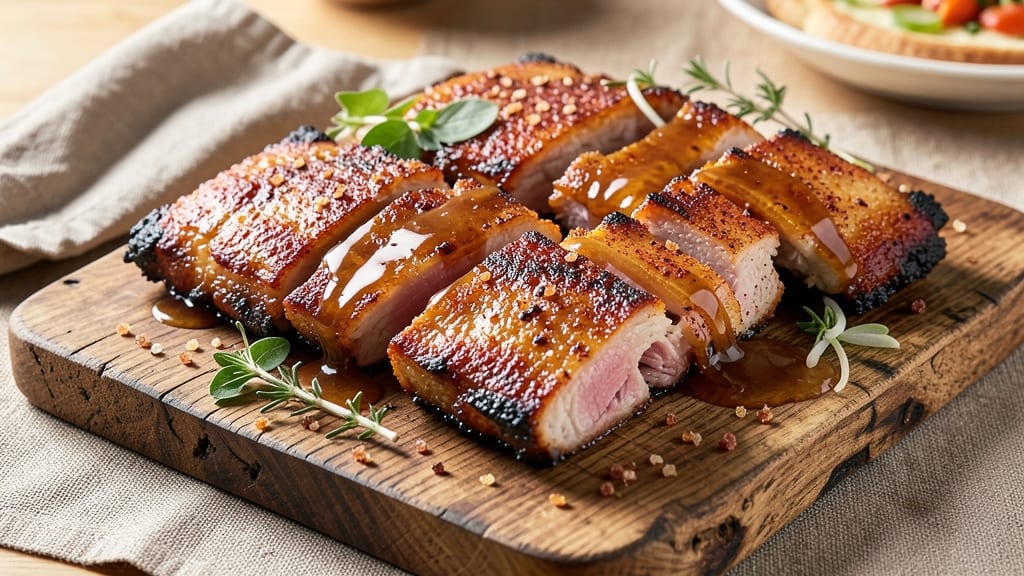
This apple cider vinegar ribs recipe delivers fall-off-the-bone tenderness in just 3 hours, transforming tough cuts into melt-in-your-mouth perfection. The secret lies in apple cider vinegar's magic—it tenderizes the meat while infusing a bright, tangy depth that cuts through the richness.
I've perfected this method over countless backyard cookouts, and it never fails to impress even the most skeptical eaters.
The process is straightforward yet foolproof: you'll start with a simple dry rub, then let the ribs marinate in apple cider vinegar overnight (or at least 4 hours) to break down collagen and enhance flavor.
From there, it's all about low-and-slow cooking—whether you're smoking, baking, or grilling—until the meat practically disintegrates at the touch of a fork. The vinegar's acidity works its magic during this time, ensuring every bite is juicy and packed with flavor.
What you'll end up with is ribs so tender they don't need a fork, with a glossy bark and a sauce that's sticky, sweet, and tangy all at once. The vinegar's bright acidity balances the smoky, caramelized notes, creating a harmony that's impossible to resist.
This isn't just another ribs recipe—it's a game-changer that turns a simple weeknight meal into a showstopper.
Serve these ribs with classic sides like coleslaw, cornbread, or baked beans to soak up every last drop of that delicious vinegar-infused sauce. The beauty of this recipe is its versatility—it works equally well for family dinners, game day gatherings, or when you're craving a restaurant-quality meal at home.
Let's get cooking!
Ingredients for apple cider vinegar ribs
The secret to melt-in-your-mouth ribs starts with these 13 game-changing ingredients.
| Ingredient | Amount | Notes |
|---|---|---|
| Pork Baby Back Ribs 🍖 | 4 lb | Bone-in, meaty cuts preferred |
| Apple Cider Vinegar 🍏 | 1 cup | Raw, unfiltered preferred |
| Brown Sugar 🍚 | ½ cup | Light or dark variety |
| Smoked Paprika 🌶️ | 2 tbsp | For deep smoky flavor |
| Kosher Salt 🧂 | 2 tbsp | Diamond Crystal preferred |
| Ground Black Pepper 🌶️ | 1 tbsp | Freshly cracked preferred |
| Garlic Powder 🧄 | 1 tbsp | Freshly ground preferred |
| Onion Powder 🧅 | 1 tbsp | For balanced flavor |
| Olive Oil 🫒 | 2 tbsp | Extra-virgin for richness |
| Honey 🍯 | ¼ cup | Wildflower preferred |
| Yellow Mustard 🥫 | 2 tbsp | For tangy balance |
| Fresh Rosemary 🌿 | ¼ cup | Chopped, stems removed |
| Fresh Thyme 🌿 | ¼ cup | Chopped, stems removed |
The ribs are non-negotiable—bone-in baby backs deliver the best texture. Look for cuts with good meat-to-bone ratio, and Costco or Whole Foods carry the highest quality. Apple cider vinegar makes all the difference here; Bragg is my go-to, but any raw, unfiltered brand works. The honey and vinegar combo is what transforms tough meat into tender perfection. For the dry rub, smoked paprika from Penzeys adds that authentic BBQ depth without overpowering. Fresh herbs? Trader Joe's has pre-chopped rosemary and thyme that saves time—just make sure they're labeled fresh.
No apple cider vinegar? White vinegar or lemon juice in a pinch, but the flavor won't be quite the same. Running low on honey? Maple syrup or agave nectar work, though the color will be different. Substituting smoked paprika? Regular paprika plus a pinch of liquid smoke mimics the effect. The mustard is key for balance—Dijon works too. For the dry rub, if you're missing an herb, dried oregano at half the amount bridges the gap. And if you're cooking for a crowd, double the batch—these ribs reheat beautifully.
Store raw ribs in the coldest part of your fridge, wrapped tightly, and use within 2 days. The dry rub keeps indefinitely in an airtight container. For the marinade, mix everything together in a jar and store in the fridge for up to 1 week. Cooked ribs? 3-4 days in the fridge or 3 months frozen. Pro tip: freeze portions in sauce—just reheat and serve. The vinegar-infused sauce gets even better the next day, so make extra.
Why You'll Love This Recipe
- Five-Ingredient Magic: I swear, the pantry version of this is just as good as the fancy one. Brown sugar and apple cider vinegar do all the heavy lifting—no fancy rubs, no last-minute shopping. Honestly, I keep a bottle of ACV in my fridge just for this.
- Tangy-Sweet Balance: That vinegar cut-through gives the ribs a bright, almost smoky-sweet glaze that sticks like glue. The smoked paprika adds warmth without overpowering—it’s the kind of flavor that makes you lick your fingers and immediately want seconds.
- Weeknight Crowd-Pleaser: Between us, this is my go-to for game day or when friends drop by unannounced. The ribs reheat beautifully, and the leftovers? Still tender and packed with flavor the next day. (Yes, even on a Tuesday night.)
- Budget-Friendly Feast: A full rack of ribs for less than $15? With this recipe, the star is the ACV—cheap, shelf-stable, and transforms tough cuts into something restaurant-worthy. My wallet and my family’s taste buds thank me every time.
Step-by-step instructions for apple cider vinegar ribs
Here's how to transform tough ribs into melt-in-your-mouth perfection using this tangy, sweet-savory method.
Prepare the Ribs for Maximum Flavor
Start by removing the membrane from the bone side of the 4 lb pork baby back ribs. I use a butter knife to slide it off—press the edge with the knife and peel it away gently. This step ensures the rub penetrates deeply and the ribs cook evenly. Pat the ribs dry with paper towels, focusing on the meaty sides where moisture collects.
In a small bowl, combine the 1 cup apple cider vinegar, 0.25 cup honey, 2 tbsp yellow mustard, and 2 tbsp olive oil. Whisk until smooth—this creates the base for your glaze. In a separate bowl, mix the 0.5 cup brown sugar, 2 tbsp smoked paprika, 2 tbsp kosher salt, 1 tbsp ground black pepper, 1 tbsp garlic powder, 1 tbsp onion powder, 0.25 cup chopped fresh rosemary, and 0.25 cup chopped fresh thyme. The herbs should be finely chopped to distribute evenly.
Apply Rub and Glaze for Even Cooking
Generously coat both sides of the ribs with the dry rub, pressing it into the meat so it adheres well. Then, brush the vinegar glaze mixture evenly over the entire surface, including the bone side. This dual-layer approach creates a perfect balance—sweet and tangy on the outside, tender and juicy on the inside. Let the ribs sit at room temperature for 30 minutes while you prepare your oven.
Preheat your oven to 275°F—this low-and-slow temperature is crucial for tenderizing the meat without drying it out. Place the ribs meat-side up on a wire rack set inside a rimmed baking sheet. The rack allows air to circulate evenly, preventing steam buildup that can make the ribs soggy. Line the bottom of the pan with aluminum foil for easy cleanup.
Slow Cook Until Fork-Tender
Transfer the ribs to the preheated oven and cook for 2 hours. Here's where patience pays off—the ribs should be tender enough that they pull away from the bone with minimal resistance. After 2 hours, check the internal temperature using a meat thermometer. It should read 195-203°F in the thickest part of the meat. If it's not there yet, continue cooking for another 30-minute increments until it reaches your desired tenderness.
I like to baste the ribs with the pan juices every 45 minutes—this keeps them moist and adds depth of flavor. If the glaze starts to caramelize too quickly, tent the ribs loosely with aluminum foil. The goal is a glossy, sticky finish that clings beautifully to every bone.
Finish with High Heat for Crispy Edges
Once the ribs reach the perfect tenderness, increase the oven temperature to 425°F. Return the ribs to the oven for 10-15 minutes to crisp the edges and deepen the caramelization. You'll know they're ready when the glaze turns a deep amber color and the ribs develop a crackly crust. Watch closely—they can go from perfect to burnt in minutes.
Remove the ribs from the oven and let them rest for 10 minutes before serving. This resting period allows the juices to redistribute, ensuring each bite is moist and flavorful. Serve the ribs with extra pan juices spooned over the top—these are packed with concentrated flavor from the slow cook. Pair with coleslaw or cornbread for a complete meal.
Pro Tips For Making Apple Cider Vinegar Ribs
- Trim the Fat First: Baby back ribs have a thick fat cap that can turn to grease and ruin your sauce. Use kitchen shears to snip it away before cooking—this keeps the meat tender and the vinegar-browned crust crisp. (I learned this the hard way when my first batch looked like it was swimming in its own grease.)
- Marinate Overnight, Not Hours: Apple cider vinegar is strong stuff—it needs time to work its magic. Toss the ribs in a mix of 1 cup vinegar, 1/4 cup brown sugar, and 2 tablespoons smoked paprika for at least 12 hours. Less time means the acid won’t penetrate enough, and your ribs will taste flat. (Yes, even if you’re impatient like me.)
- Start Hot, Finish Slow: Sear the ribs over direct heat for 10 minutes to render fat and lock in flavor, then move them to indirect heat at 250°F. Skipping the high-heat start means the vinegar won’t caramelize properly, and the ribs will steam instead of develop that sticky, glossy bark. (Your future self will thank you.)
- Baste with Vinegar Sauce: Don’t just dump the vinegar mix on the ribs and walk away. Every 45 minutes, spoon that tangy-sweet sauce over them—it keeps the meat moist and deepens the flavor. I used to ignore this, and the ribs ended up dry despite all the sugar. (Sounds weird, but it works.)
Storing and reheating this recipe
Refrigerator Storage
Store your cooked ribs in an airtight container lined with parchment paper to preserve moisture. The vinegar-infused sauce clings beautifully, so I recommend placing ribs meat-side down in the container. They’ll keep fresh in the fridge for 3-4 days—the flavors actually deepen over time, especially the tangy-sweet balance. 💫
For leftovers, reheat in a 350°F oven for 15-20 minutes covered with foil to prevent drying. The residual heat helps redistribute those juices, making every bite just as tender as when you first served them. I always save a portion for sandwiches the next day!
Freezer Prep
Freeze ribs in single-serving portions wrapped tightly in plastic wrap, then placed in a freezer bag with all the sauce. This prevents freezer burn and makes reheating effortless. They’ll stay delicious for up to 3 months—just thaw overnight in the fridge before reheating. 🧊
For a quick meal, I microwave ribs at 50% power for 3-4 minutes per serving, adding a splash of water to keep the sauce from drying out. The texture stays surprisingly intact, though oven reheating gives the best results for crispy edges.
Sauce Preservation
Save any leftover vinegar glaze in a small glass jar in the fridge for up to 1 week. It’s perfect for drizzling over grilled chicken, roasted veggies, or even pancakes. The acidity cuts through richness beautifully—trust me, you’ll want to use it all up! 🍯
If you’ve got extra ribs, freeze the sauce separately from the meat. When reheating, brush it onto the ribs fresh from the oven for that restaurant-quality shine. The key is to keep everything sealed tightly—vinegar-based sauces can get watery if exposed to air.
Nutrition facts
Frequently asked questions
Why does apple cider vinegar make ribs so tender?
The acidity in apple cider vinegar breaks down collagen in the meat during cooking, creating a tender, almost melt-in-your-mouth texture. It also helps tenderize the meat during the marinating stage, making the ribs fall-off-the-bone tender in just 3 hours of cooking. The vinegar's acidity also enhances the absorption of flavors from the dry rub.
Can I use this recipe with beef ribs instead of pork?
While this recipe is designed for pork baby back ribs, you can adapt it for beef ribs by increasing the cooking time to 3-4 hours at 275°F. Beef ribs have more connective tissue, so the extra time allows the vinegar to work its magic. The glaze will still caramelize beautifully, but expect a slightly richer, beefier flavor profile.
What if I don’t have apple cider vinegar?
In a pinch, you can substitute with white vinegar or lemon juice, but the flavor won’t be as balanced. For the best results, use 1 cup of a 1:1 ratio of vinegar to water> to mimic the acidity. The honey and mustard in the glaze will still help tenderize the meat, though the tangy depth will be less pronounced.
How do I know when the ribs are fully cooked?
Use a meat thermometer to check the internal temperature in the thickest part of the meat—it should read 195-203°F. The ribs should also pull away from the bone easily when you lift a bone with tongs. If they’re not quite there, continue cooking for another 30 minutes> at the same temperature.
Can I make this recipe in a slow cooker?
Place the ribs in the slow cooker on low for 6-7 hours> or high for 4-5 hours, then finish under the broiler for 5-10 minutes> to crisp the edges. The vinegar glaze will still caramelize beautifully, and the slow cooker’s gentle heat ensures tender meat. Just avoid adding liquid to the slow cooker—you want the ribs to cook in their own juices.